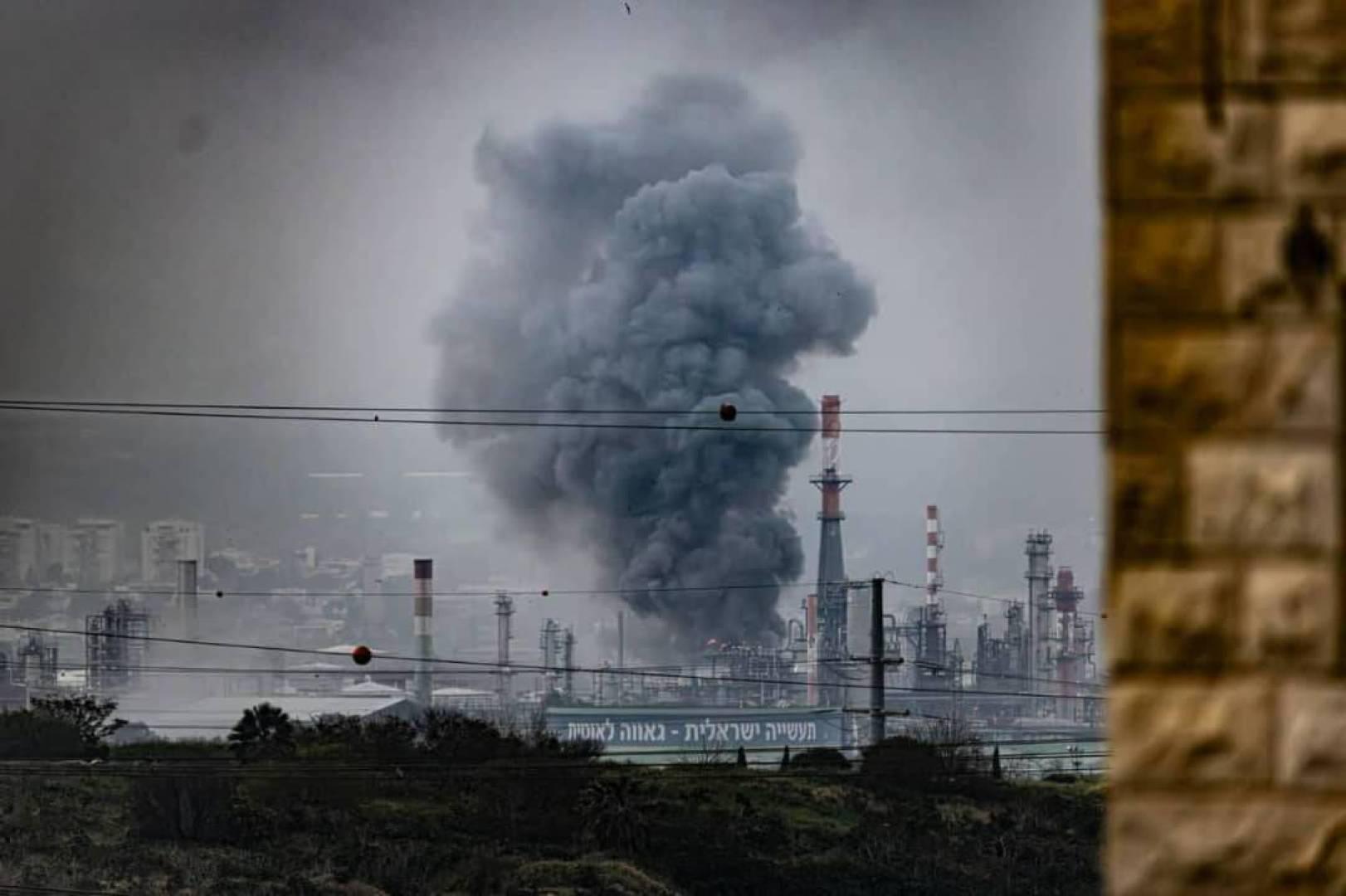
IRGC Launches Wave 83 Strikes On Haifa, Ashdod Refineries And U.S. Bases
Key Takeaways
- IRGC announced Wave 83 of Operation True Promise 4 against Israeli and US targets.
- Ashdod oil facilities and Haifa refinery were targeted.
- Strikes described as large-scale missile and drone operation.
New escalation: 83rd wave expansion
IRGC's 83rd wave of Operation True Promise 4 marks a new escalation in West Asia, expanding the theater from Israeli strategic targets to U.S. bases and allied facilities.
“Islamic Resistance fighters targeted a Merkava tank in the Shomer Heights in the border town of Naqoura with a swoop attack and achieved a confirmed hit: statement 69 Islamic Resistance fighters targeted at 21:00 on Thursday, 26-03-2026, the Eliakim base (containing training camps affiliated with the Northern Command of the “Israeli” army) and the Tefen base east of the occupied city of Acre with a volley of qualitative rockets: statement 68 Islamic Resistance fighters targeted at 21:00 on Thursday, 26-03-2026, the Haifa naval base and the Ze’ev air defense base in the occupied city of Haifa with a volley of qualitative rockets: statement 67 Islamic Resistance fighters targeted a Merkava tank in the Shomer Heights in the border town of Naqoura with a swoop attack and achieved a confirmed hit: statement 69 Islamic Resistance fighters targeted at 21:00 on Thursday, 26-03-2026, the Eliakim base (containing training camps affiliated with the Northern Command of the “Israeli” army) and the Tefen base east of the occupied city of Acre with a volley of qualitative rockets: statement 68 Islamic Resistance fighters targeted at 21:00 on Thursday, 26-03-2026, the Haifa naval base and the Ze’ev air defense base in the occupied city of Haifa with a volley of qualitative rockets: statement 67”
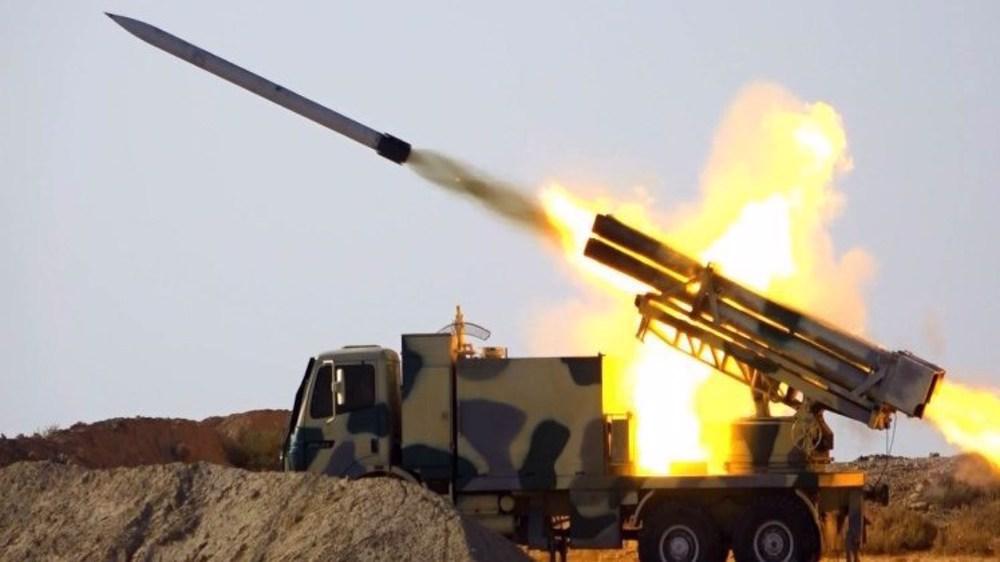
The IRGC portrays Wave 83 as a coordinated barrage of long- and medium-range missiles and one-way attack drones aimed at Israeli oil infrastructure and American bases, signaling a broader regional front.
Non-Western outlets describe the wave as wide in scope, including strikes on Haifa and Ashdod refineries and actions against U.S. facilities in the Gulf.
Reports also note claims of a hit on Beersheba and injuries among Israeli personnel, illustrating the claimed breadth of the attack across the West Asia theater.
What the plan/demands entail
The IRGC claims long- and mid-range systems, solid and liquid-fuel missiles, precision-strike capabilities, multi-warhead munitions, and suicide and loitering drones.
Targets include Haifa and Ashdod oil refineries and major U.S. bases at Al Dhafra and Al-Udeid, with maintenance facilities for aircraft and air-defense infrastructure listed as additional targets.

The attack also extends to American and allied logistics hubs, with references to fuel depots, aircraft hangars, and Patriot infrastructure to complicate Western military mobilization.
Some outlets cite the use of new weapons systems—like Nasrallah missiles—marking a technological edge in the IRGC's arsenal.
Regional spillovers and risks
Kuwait reports heightened security as Shuwaikh Port was struck by a drone, causing material damage without casualties.
“Iran ‘coordinated’ 220 attacks against US, Israeli-linked regional sites: IRGC Operations conducted against ‘resistance fronts,’ including 87 by Hezbollah, 23 by Iraqi groups, 110 drone, missile operations by Iranian armed forces, says armed forces ISTANBUL Iran’s Islamic Revolutionary Guard Corps (IRGC) said Thursday that it “coordinated” 220 attacks with allies in the region, targeting US- and Israel-linked sites, according to the state-run IRNA news agency”
Gulf states report intensified security alerts and disruptions to civilian aviation and energy infrastructure as strikes expand toward the region.
Air defense responses and emergency procedures have been activated across a widening geographic footprint, including critical energy hubs such as LNG facilities.
Kuwait, Bahrain, Saudi Arabia, and other Gulf states are described as drawing into the conflict as the IRGC's campaign broadens.
Framing, legitimacy, and rhetoric
Iranian outlets frame the strikes as retaliation in self-defense against US-Israeli aggression and as a response to existential threats to Iranian interests.
Warnings to civilians and calls for displacement accompany the deployment of missiles and drones against Israeli and US targets.
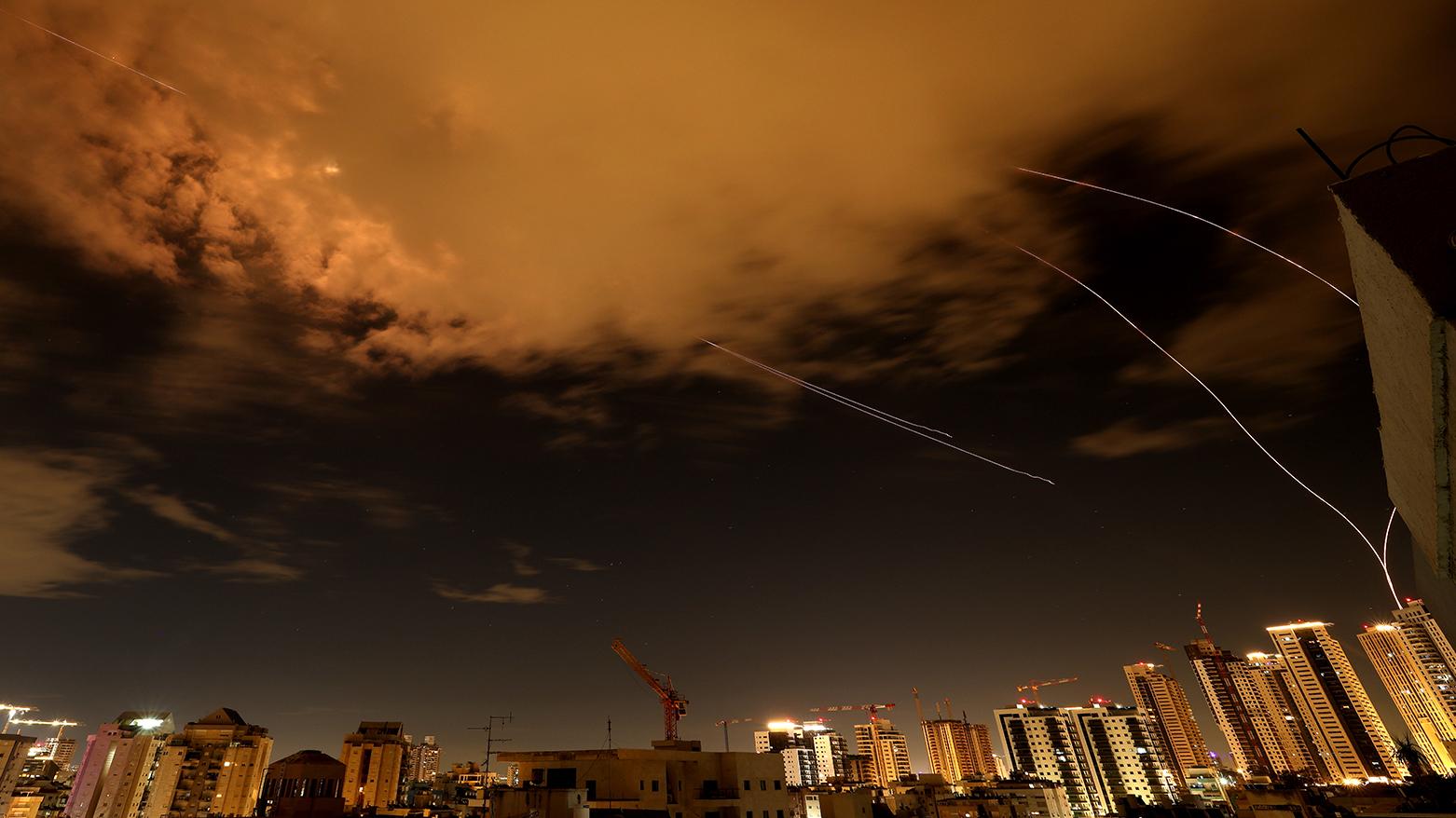
Palestine Chronicle notes claims that the balance of power has shifted, with Iranian forces asserting control over airspace in the occupied territories.
Non-Western outlets describe a sustained campaign, including threats and rhetoric designed to deter external interference and to legitimize the IRGC’s actions.
More on Iran

Iran Allows 20 Pakistani-Flagged Ships Through Strait Of Hormuz
14 sources compared
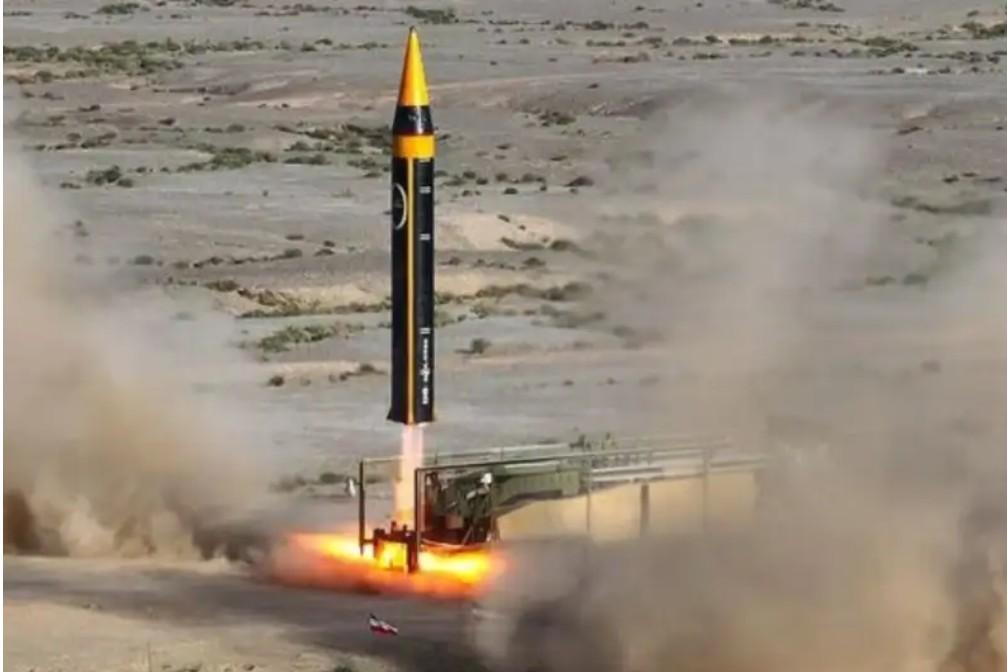
Houthis Formally Enter Iran-Israel War By Firing Missiles And Drones At Israel
16 sources compared
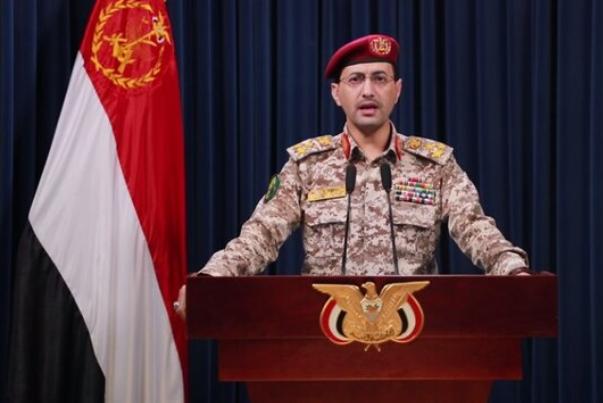
Houthis Launch First Missiles At Israel, Joining Iran War And Threatening Red Sea Routes
75 sources compared

Pentagon Plans Weeks-Long Ground Operations In Iran
21 sources compared