IRGC Navy Warns Attacks on Iranian Tankers Will Trigger Heavy Assault on U.S. Bases
Key Takeaways
- IRGC Navy warns any attack on Iranian vessels will trigger heavy assault on US bases.
- Warning follows U.S. strikes on Iranian oil tankers, amid a fragile ceasefire.
- Ceasefire remains fragile as Iran escalates warnings amid tanker-related tensions.
Threats over Hormuz
Iran’s Revolutionary Guard navy warned that any attack on Iranian oil tankers or commercial vessels would be met with a “heavy assault” on U.S. bases in the region and enemy ships, as a fragile ceasefire appeared to be holding.
“Islamic Resistance fighters targeted at 12:00 on Sunday 10-05-2026 a gathering of vehicles and soldiers belonging to the Israeli enemy army near the municipality of Al-Khiam city with artillery shells: statement (3) Islamic Resistance fighters targeted at 10:45 on Sunday 10-05-2026 a command headquarters belonging to the Israeli enemy army in Al-Khiam city with two loitering gliders, achieving confirmed hits: Statement (2) Islamic Resistance fighters targeted at 08:20 on Sunday 10-05-2026 a D9 bulldozer belonging to the Israeli enemy army at Khallet Al-Raj in Deir Seryan town with a loitering glider, achieving a confirmed hit: Statement (1) Islamic Resistance fighters targeted at 12:00 on Sunday 10-05-2026 a gathering of vehicles and soldiers belonging to the Israeli enemy army near the municipality of Al-Khiam city with artillery shells: statement (3) Islamic Resistance fighters targeted at 10:45 on Sunday 10-05-2026 a command headquarters belonging to the Israeli enemy army in Al-Khiam city with two loitering gliders, achieving confirmed hits: Statement (2) Islamic Resistance fighters targeted at 08:20 on Sunday 10-05-2026 a D9 bulldozer belonging to the Israeli enemy army at Khallet Al-Raj in Deir Seryan town with a loitering glider, achieving a confirmed hit: Statement (1)”
The warning came after the United States struck two Iranian oil tankers, with the U.S. military saying the tankers were trying to breach its blockade of Iran’s ports.
The IRGC Navy Command also said, “Warning! Any aggression against Iranian oil tankers and commercial vessels will be met with a heavy attack against one of the American centers in the region and enemy ships,” tying retaliation to attacks on Iranian shipping.
In the same period, the U.S. Central Command said it had turned back 58 commercial ships and “disabled” four since the blockade began April 13, while Bahrain said it arrested 41 people it alleged had links to Iran’s Revolutionary Guard.
Bahrain arrests, Iran retorts
Bahrain, which hosts the U.S. Navy’s Fifth Fleet, said it arrested 41 people it alleged were linked to Iran’s Revolutionary Guard, and its interior ministry said investigations confirmed they were in contact with the Guard and collected funds “with the aim of sending them to Iran” to support “terrorist operations.”
Iran issued a warning to Bahrain through Ebrahim Azizi, head of the national security commission of Iran’s parliament, saying, “Siding with the U.S.-backed resolution will bring severe consequences.”
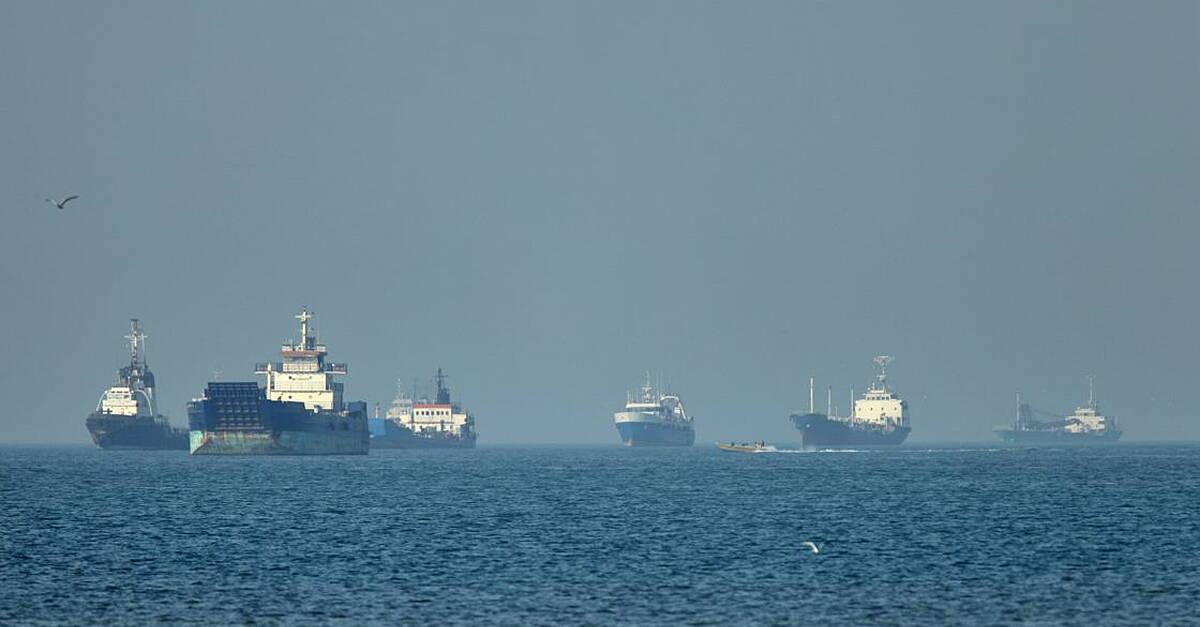
In the same reporting, the warning was framed alongside Iran’s broader maritime posture, with the IRGC Navy Command warning that any aggression against Iranian tankers and commercial vessels would trigger retaliation against “American centres in the region and enemy ships.”
The Boston Globe reported that Washington was awaiting Iran’s response to a proposal for a deal to end the war, reopen the Strait of Hormuz to shipping, and roll back Tehran’s disputed nuclear program, while Russia’s Vladimir Putin said Moscow’s enriched-uranium proposal remained on the table.
What happens next
As the standoff continued, Britain said it was deploying the HMS Dragon, a Type 45 destroyer, to “preposition” in the region and stand ready to join a UK- and French-led maritime initiative to protect commercial shipping in the Strait of Hormuz.
“You Browser Working London Working www”
France also announced it was moving its aircraft carrier strike group into the Red Sea in preparation, while Britain and France led meetings involving several dozen countries on a coalition to reestablish freedom of navigation in the strait.
U.S. President Donald Trump reiterated threats to resume full-scale bombing if Iran does not accept an agreement to reopen the Strait of Hormuz and roll back its nuclear program, and Iranian foreign ministry spokesperson Esmail Baghaei said Tehran was not paying attention to “deadlines.”
The Reuters report said the Qatari Foreign Ministry told Iranian Foreign Minister Abbas Araghchi in a phone call that using the Strait of Hormuz as a “bargaining chip” would only exacerbate the Gulf crisis, as the world awaited the opening of the strait.
More on Iran
Israel Built Secret Base in Iraq’s Desert to Support Air Campaign Against Iran
14 sources compared
Israel Built Secret Military Outpost in Iraq’s Western Desert, Then Struck Iraqi Forces
21 sources compared

Iran Warns Ships From US Sanctions Backers Won’t Be Allowed Through Strait of Hormuz
30 sources compared
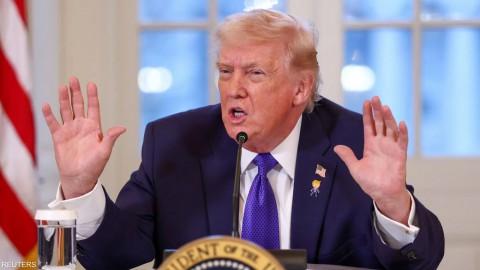
U.S. Waits for Iran’s Response as Revolutionary Guards Threaten American Centers in Region
20 sources compared