
Israel advances death-penalty bill for Palestinian prisoners to final Knesset vote.
Key Takeaways
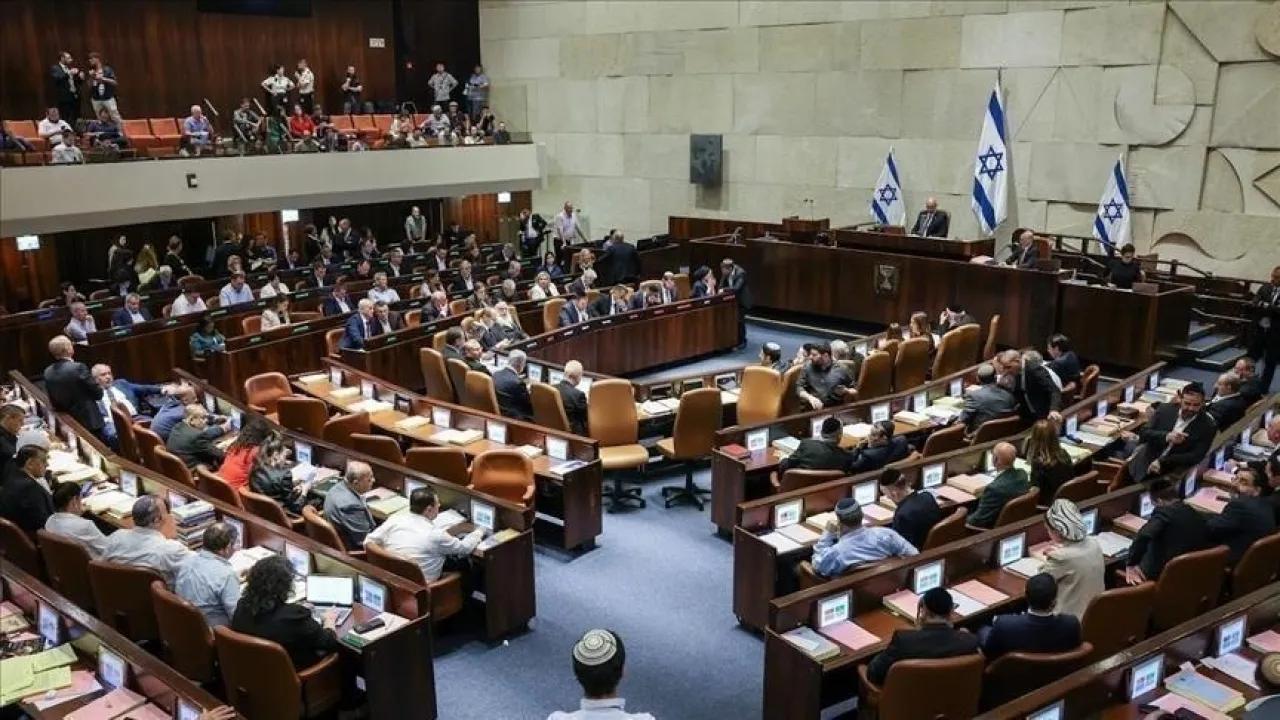
- National Security Committee approved a draft death-penalty bill for Palestinian prisoners.
- Bill moves toward final Knesset vote with next readings scheduled for next week.
- Palestinian prisoners would be eligible for the death penalty.
Death Penalty Bill Advances
Israel's Knesset has advanced a controversial death penalty bill to its final vote, targeting Palestinian prisoners through discriminatory legislation.
“Israeli politicians’ proposal to introduce death by hanging for Palestinians only could be approved as early as next week”
The bill would impose mandatory executions within 90 days without prosecutorial discretion or clemency options.
Military courts in the occupied West Bank would be empowered to hand down death sentences with a simple majority decision.
Palestinians under occupation would lose all avenues for appeal or clemency.
This creates a stark contrast to prisoners tried inside Israel who could see their sentences commuted to life imprisonment.
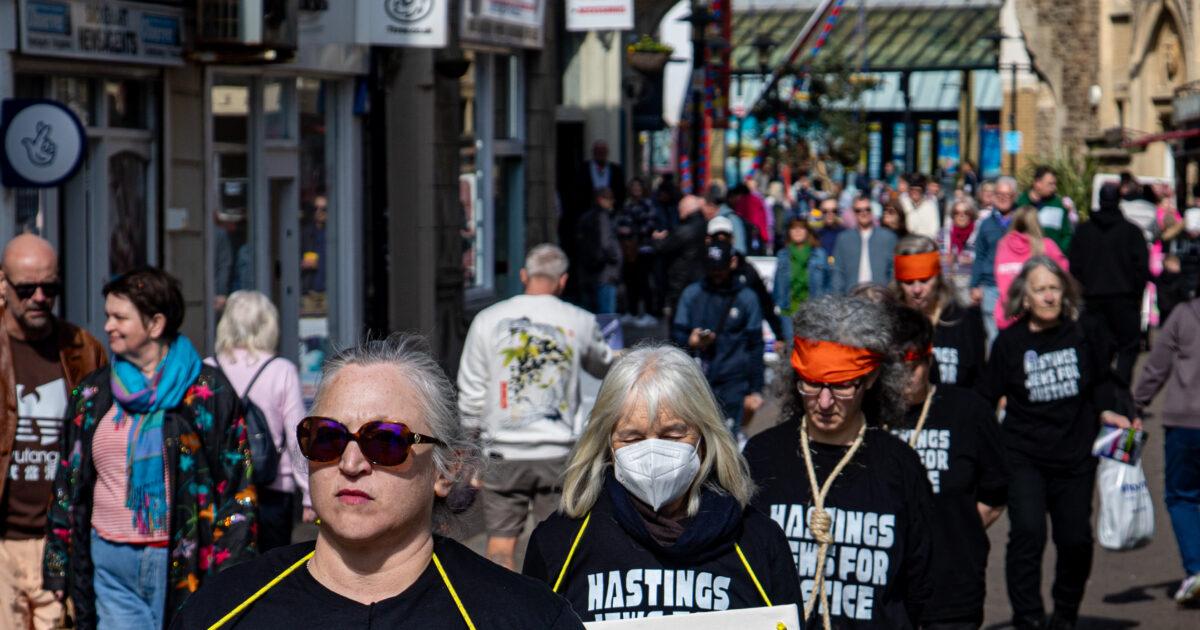
National Security Minister Itamar Ben-Gvir, a prominent supporter, has repeatedly worn a noose-shaped lapel pin.
He described hanging as 'one of the options' for implementing the death penalty.
Ben-Gvir also suggested alternatives like the electric chair or 'euthanasia'.
He claimed to have received support from doctors willing to participate in executions, saying: 'Just tell us when.'
Legal Warnings Mount
Military officials and government ministries have repeatedly warned that the proposed law breaches international law.
They warn it exposes Israeli commanders to potential arrest warrants abroad.
The justice and foreign ministries have echoed these concerns as the bill advanced through committee discussions.
Legal advisor Ido Ben Yitzhak cautioned that the death penalty's irreversible nature requires extreme caution.
He noted that the absence of pardon options conflicts with international obligations.
Centrist lawmaker Gilad Kariv objected to provisions requiring executions within 90 days with no clemency option.
Kariv warned it could place Israeli military personnel in legal jeopardy and open doors to foreign court proceedings.
Despite mounting legal and moral concerns, the bill has continued advancing through the legislative process.
This has prompted accusations that the government is pushing through a measure with profound implications.
Rights Groups Condemn
Human rights organizations and international bodies have condemned the bill as discriminatory.
“Israel’s parliament has advanced a contentious bill to impose the death penalty on Palestinians convicted of terrorism to its final vote, after the Knesset’s national security committee approved the measure on Tuesday”
They warn it violates international law through its targeting of Palestinians.
The Association for Civil Rights in Israel (ACRI) stated it opposes the bill 'unequivocally.'
ACRI called the law 'harsh and violent' that contradicts fundamental human rights principles.
Four leading human rights organizations published a joint position paper describing the bill as 'a fundamental breach of international law.'
They warned the bill imposes death penalty 'exclusively on Palestinians.'
These organizations said the law establishes 'a punitive and discriminatory framework that systematically deprives Palestinians of equal protection under the law.'
They noted that applying the death penalty within the military system in the West Bank—which tries only Palestinians—makes discrimination 'a structural part of the law itself.'
The 'Rabbis for Human Rights' organization declared that the project is 'not Jewish, ethical, or necessary.'
This counters attempts to market the law as an expression of 'Jewish values.'
International Condemnation
International bodies have joined the chorus of condemnation against the death penalty bill.
UN experts urged Israel to withdraw the bill.
They warned that mandatory death sentences violate the right to life and discriminate against Palestinians.
UN experts stated that 'by removing judicial and prosecutorial discretion, they prevent a court from considering the individual circumstances.'
They noted that hanging 'amounts to torture or other cruel, inhuman or degrading punishment under international law.'
The European Union's diplomatic service condemned the bill.
The EU declared that 'the death penalty is a violation of the right to life and cannot be executed without violation of the absolute right to be free from torture.'
Amnesty International stated Knesset members should vote against the bills.
They said the bills 'expand the use of capital punishment in a discriminatory manner against Palestinians.'
These warnings come amid reports that Israel has intensified abuses against Palestinian detainees since its genocidal war on Gaza began in October 2023.
Rights groups have documented widespread starvation, torture, sexual violence and systematic denial of medical care.
Systematic Repression Tool
Critics argue the death penalty bill represents another escalation in Israel's systematic repression of Palestinians.
“Israeli politicians’ proposal to introduce death by hanging for Palestinians only could be approved as early as next week”
It complements the country's existing practices of lethal force and detention abuses.
Yuli Novak, executive director of B'Tselem, stated: 'Israel is already killing Palestinians on a regular basis – in detention facilities, and in the field.'
She noted that lethal force is widely used by Israeli settlers and military with close to zero accountability.
Novak called the bill 'another tool in this toolbox' of repression.
The bill's discriminatory nature is evident in different legal standards applied to Palestinians versus settlers.
Palestinians in the occupied West Bank are subject to military law and courts, while Israeli settlers are not.
The law inside Israel links the penalty to killing 'Israeli citizens or residents.'
Human rights organizations warn the law could have the opposite deterrent effect.
They fear it could create motives for revenge or encourage armed groups to kidnap soldiers/civilians.
As the bill approaches its final Knesset vote, it stands as a stark symbol of Israel's escalating repression.
More on Gaza Genocide

Spain's PM Sanchez accuses Netanyahu of seeking Gaza-scale destruction in Lebanon
10 sources compared

Trump Administration Sues Harvard University Over Civil Rights Violations Against Jewish and Israeli Students
50 sources compared

Protesters heckle Australian PM Albanese at Sydney mosque over Israel stance
18 sources compared

Iran Fires Missiles at Israel, Killing Three Palestinian Women and a Foreign Worker
23 sources compared