Israel And Lebanon Begin Direct Talks As Hezbollah Calls Negotiations A Grave Error
Key Takeaways
- Direct talks between Israel and Lebanon began, brokered by the United States.
- Escalating clashes and airstrikes threaten civilians, prompting displacement in southern Lebanon.
- Coverage frames the talks as a historic breakthrough in Israel-Lebanon diplomacy.
Ceasefire, talks, and rifts
Israel and Lebanon moved into a new diplomatic phase while the war around Hezbollah continued, with multiple reports describing direct negotiations and a short ceasefire window.
“Israel and Lebanon hold first direct talks since 1993 Lebanon and Israel have held their first diplomatic talks in over three decades, a rare encounter aimed at ending fighting between Israel and the Iran-backed Hezbollah group”
DW said Trump posted that “Israel and Lebanon have agreed to a 10-day ceasefire beginning 2100 GMT on Thursday,” adding that the ceasefire would start “at 5 P.M. EST,” after “excellent conversations” with “President Joseph Aoun, of Lebanon, and Prime Minister Bibi Netanyahu, of Israel.”
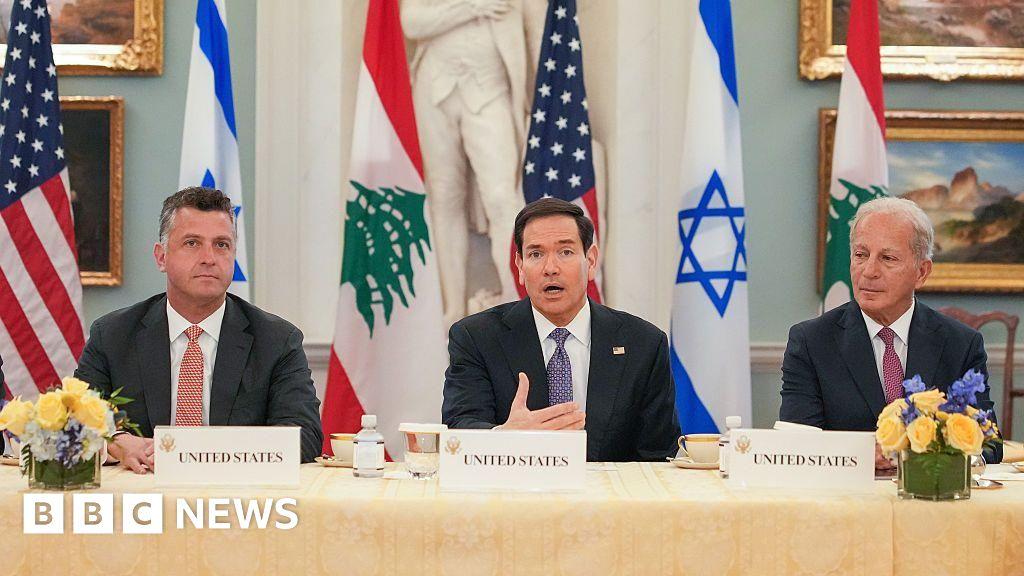
BBC described the negotiations as “the first direct talks since 1993,” mediated by U.S. Secretary of State Marco Rubio, and said the two sides agreed to “launch direct negotiations, at a time and place to be determined.”
Hezbollah’s stance split the political landscape: Naharnet reported that Hezbollah MP Hussein Hajj Hassan told AFP that direct talks were a “grave error,” saying “Direct negotiations with the enemy are a grave sin and a grave error… and serve no interest for the country.”
In the same thread of reporting, PBS said the talks were met with “high hopes and condemnation,” with officials trying to temper expectations while the fact of talks itself was “a significant step.”
The BBC account also placed the talks against a wider battlefield, noting that “Over 2,000 people have been killed since Israeli military operations in Lebanon began on 2 March,” and that Hezbollah claimed “at least 24 attacks on Israel and Israeli troops in Lebanon” while the meeting took place.
How the war widened
Several sources tied the Lebanon-Israel diplomatic opening to the broader regional war that began after U.S. and Israeli strikes against Iran and Hezbollah’s entry into the fighting.
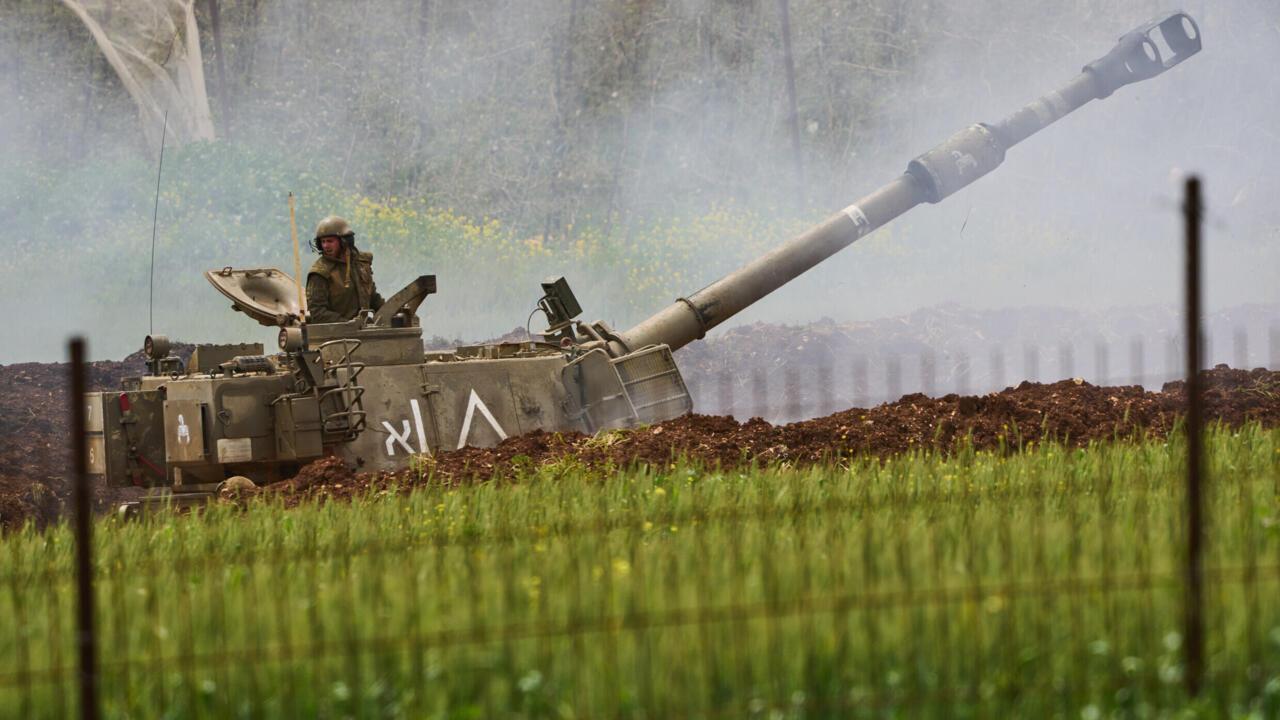
PBS said that “On March 2, two days after the U.S. and Israel launched their war on Iran, Hezbollah entered the fray by firing missiles across the border,” and that “Israel responded with an intense bombing campaign and ground invasion.”
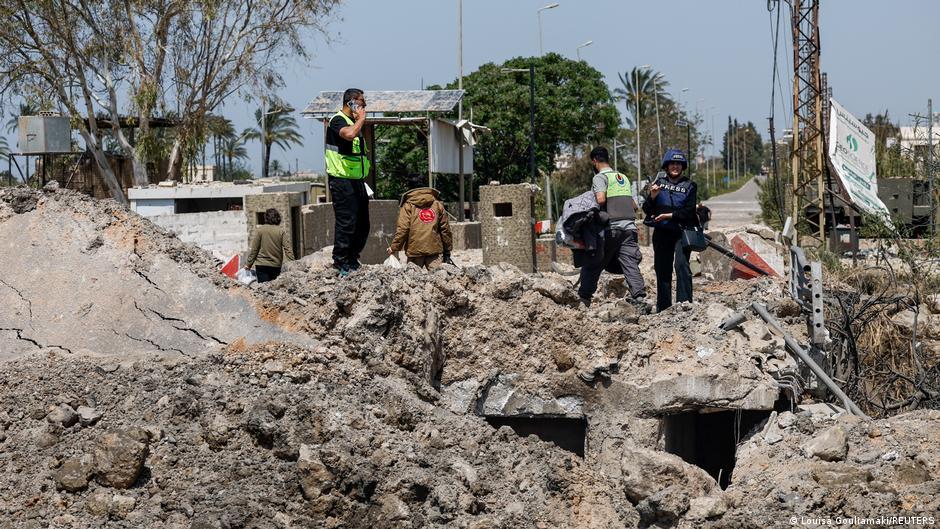
BBC similarly anchored the timeline, saying Israeli operations in Lebanon began “on 2 March, just days after US and Israeli strikes began in Iran,” and that the talks were aimed at ending fighting between Israel and Hezbollah.
In Naharnet, Hezbollah’s role in pulling Lebanon into the conflict was described as rocket fire at Israel “in support of its backer Iran,” with Israel and Lebanon agreeing “on Tuesday to begin direct talks” after a meeting between ambassadors in Washington.
The same Naharnet report said the Lebanese government’s decision to negotiate came while “Israel has been carrying out huge strikes on Lebanon and a ground invasion in the country's south,” and it described Washington and Tehran as disagreeing over whether a “fragile Middle East ceasefire applies to Lebanon.”
France 24 added a military escalation frame, reporting that Israel’s military chief of staff Lieutenant General Eyal Zamir ordered areas south of Lebanon’s Litani River to be turned into a Hezbollah “kill zone” as troops pressed a major offensive.
France 24 also quantified the human cost, saying Israeli strikes over the past six weeks have killed “at least 2,167 people, including 172 children,” according to the country’s health ministry, while describing targeted strikes that killed four Lebanese rescue workers.
Voices: Hezbollah, Lebanon, and the U.S.
The sources present sharply different political and diplomatic voices on what the talks should achieve and whether they should proceed at all.
“What you need to know - Trump says Israel, Lebanon agree 10-day ceasefire - Iran-backed Hezbollah says its commitment to the truce depends on whether Israel ceases hostilities - Hegseth warns US forces are ready to restart combat if Iran doesn't agree to a deal - The Pakistani delegation, led by Field Marshal Asim Munir, is in Tehran to shore up the fragile ceasefire - Lebanese president reportedly refuses to speak to Israeli PM - Israeli strike severs the last bridge connecting southern Lebanon to the rest of the country Here is a round-up of the latest developments on the US-Israeli war with Iran and the wider Middle East on Thursday, April 16, 2026: Lebanon, EU's von der Leyen welcome Israeli-Lebanon ceasefire, Hezbollah less enthusiastic As news of a 10-day ceasefire between Lebanon and Israel hits the wires world leaders have begun to react”
Naharnet quoted Hezbollah MP Hussein Hajj Hassan rejecting the premise of negotiations, saying “Direct negotiations with the enemy are a grave sin and a grave error,” and urging authorities to stop “making concessions to Israel and the United States.”
DW reported that Senior Hezbollah lawmaker Hassan Fadlallah said the group had been informed of the pending deal by Iran’s ambassador to Lebanon and that whether Hezbollah would abide by the truce “depends on whether Israel ended hostilities during that time.”
BBC included a Hezbollah-linked warning from Wafiq Safa, a member of Hezbollah’s political council, saying “We are not bound by what they agreed to,” ahead of the meeting.
On the Lebanese side, BBC said President Joseph Aoun hoped the talks would “mark the beginning of the end of the suffering of the Lebanese people in general, and those in the south in particular,” and he argued that “the only solution” would be “in the Lebanese armed forces being solely responsible for the security of the area.”
PBS described the Lebanese government’s approach as seeking a cessation of hostilities in exchange for direct negotiations, with President Joseph Aoun offering direct talks “in exchange for a cessation of hostilities,” and it said the meeting ended with no ceasefire while formal negotiations would proceed without a date.
On the U.S. side, BBC quoted Rubio calling the meeting “a process,” saying “This will take time, but we believe it’s worth this endeavour,” while a U.S. state department spokesman, Tommy Pigott, said both Israel and Lebanon agreed to work toward “reducing the influence of Hezbollah.”
Different frames across outlets
While the core facts of talks and ceasefire appear across reporting, the sources diverge in emphasis—particularly around what the negotiations are for and how much leverage Lebanon has.
BBC framed the talks as “a rare encounter aimed at ending fighting” and described the U.S. mediation as a “historic opportunity” to end Hezbollah’s influence, quoting a U.S. statement that the two sides agreed to “launch direct negotiations.”
PBS, by contrast, emphasized the negotiation mechanics and the political constraints, explaining that Lebanon has no formal diplomatic relations with Israel and that “a 1955 law in Lebanon forbids Lebanese citizens from having any contact with Israelis,” while also describing the 1993 precedent and the selective enforcement.
PBS also reported that the direct negotiations kicked off Tuesday when “Lebanon and Israel's ambassadors to the United States met in Washington in-person preparatory meeting,” and it said the meeting ended with “no ceasefire,” with Rubio telling reporters, “This is a process, not an event.”
Naharnet and Newswire both carried Hezbollah’s critique of direct talks, but Newswire added a broader linkage to U.S.-Iran pressure, stating that “If Iran doesn’t agree to a deal, “bombs dropping on infrastructure, power and energy” will resume,” and that Washington would prevent ships from entering or exiting Iranian ports “in the Strait of Hormuz.”
France 24 and the Arabic-language reports shifted the frame toward military realities and legal constraints, with France 24 describing a “kill zone” order and the Arabic reporting quoting Lebanese Justice Minister Adel Nassar saying “No one is above the law” and that Hezbollah’s actions gave Israel “a direct pretext to launch a wide-scale aggression against Lebanon.”
In that same vein, the Arabic reporting on Al-Mashhad said Nassar described Hezbollah’s missile launches as something the party “was aware in advance” would “inevitably provoke an Israeli response,” while the UN-focused reporting in موقع لبنان الكبير warned that “betting on a regional settlement to resolve Lebanon's problems would be a grave mistake.”
Stakes: displacement, rockets, and enforcement
The reporting repeatedly returns to the stakes of the ceasefire and the risk that the conflict could widen or become harder to control.
“Israel army chief orders 'Hezbollah kill zone' in southern Lebanon Israel's military chief of staff Lieutenant General Eyal Zamir on Wednesday said he had ordered areas south of Lebanon's Litani River to be turned into a Hezbollah "kill zone" as troops pressed a major offensive there”
BBC said about “a million people have been displaced in the conflict since the most recent hostilities began,” and it described the humanitarian crisis as severe enough that Lebanon called for “concrete measures to address and alleviate the severe humanitarian crisis.”

France 24 and the Arabic-language reporting both quantified the toll and described ongoing attacks, with France 24 citing “at least 2,167 people, including 172 children,” and the Arabic report from السياسة stating that the European Union expressed deep concern and that the humanitarian situation was “dramatic,” with “about 20 percent of the country’s population displaced.”
The السياسة report also quoted UN human rights officials condemning threats to impose destruction “as in Gaza,” calling them “absolutely unacceptable,” and it described casualties from strikes on Beirut, including that the Lebanese Health Ministry announced “the initial toll from the strikes on Beirut was six dead and 24 wounded.”
The same report detailed Israeli warnings for southern Lebanon residents to evacuate toward the north bank of the Litani River, while claiming Hezbollah planned “about 100 rockets” the night before and that it thwarted “about 50 percent” of Hezbollah’s rocket attacks, with Hezbollah firing “about 40 rockets and several drones.”
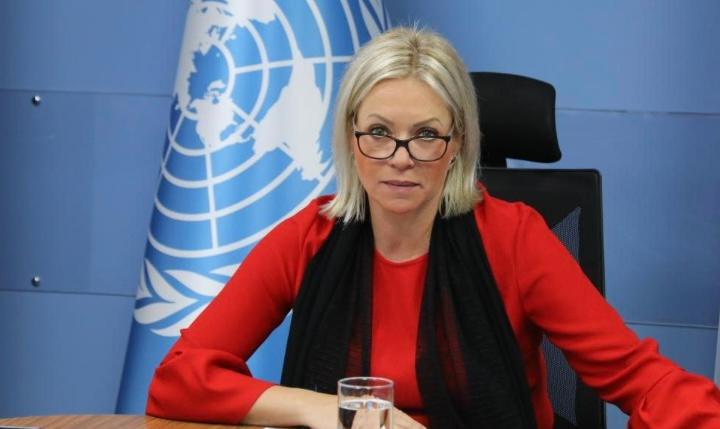
Meanwhile, the UN-focused reporting in موقع لبنان الكبير described the political and security roadmap as a necessity, quoting Génine Hines-Blaschart’s warning that “ongoing military operations will not lead to lasting solutions,” and urging a comprehensive roadmap that “should not be limited to Hezbollah's weapons alone, but should also cover its financial networks and social fabric.”
On the enforcement side, the Arabic report from Al-Mashhad quoted Justice Minister Adel Nassar saying the Lebanese state has decided to “confine weapons to the state after decades of hesitation,” and it warned that “laws will be enforced firmly against anyone who carries out military actions,” while also insisting that Hezbollah’s venture is “futile and destructive.”
More on Gaza Genocide
US Navy Enforces Naval Blockade on Iranian Ports Amid Escalating Iran War
13 sources compared

Israeli Airstrikes Kill Dozens in Gaza Despite Ceasefire Agreement
18 sources compared
Over One Million Europeans Demand EU Suspend Israel Association Agreement
26 sources compared
UK Police Arrest Over 500 Protesters Supporting Palestine Action Despite Court Ruling
18 sources compared