Israel And Lebanon Ceasefire Begins After Israel Shelling Violations, Lebanese Army Says
Key Takeaways
- A 10-day ceasefire between Israel and Lebanon goes into effect.
- Lebanese army says Israel violated the ceasefire with intermittent south Lebanon shelling.
- Trump announced the 10-day ceasefire as the deal between Israel and Lebanon.
Ceasefire takes effect
A 10-day ceasefire between Israel and Lebanon went into effect at midnight Friday local time, with the Lebanese Army saying it had already recorded “a number of violations of the ceasefire agreement between Lebanon and Israel” and accusing Israel of “intermittent shelling” on Lebanese villages.
“Breaking News Close Breaking News Tickerclose-prominent Trump says Israel and Lebanon's leaders will speak on Thursday Close Breaking News Tickerclose-prominent Toggle Play Hezbollah strikes north Israel ahead of Lebanon ceasefire announcement Firefighters worked to extinguish a fire after a rocket attack from Hezbollah hit Kiryat Shmona in northern Israel”
The BBC reported that the ceasefire agreement came into force “just a few hours ago, at 00:00 in Israel and Lebanon (22:00 BST and 17:00 EST),” while CNN described the truce as beginning “Hours after a 10-day truce between Israel and Hezbollah began,” with the Lebanese army alleging intermittent shelling in the south.

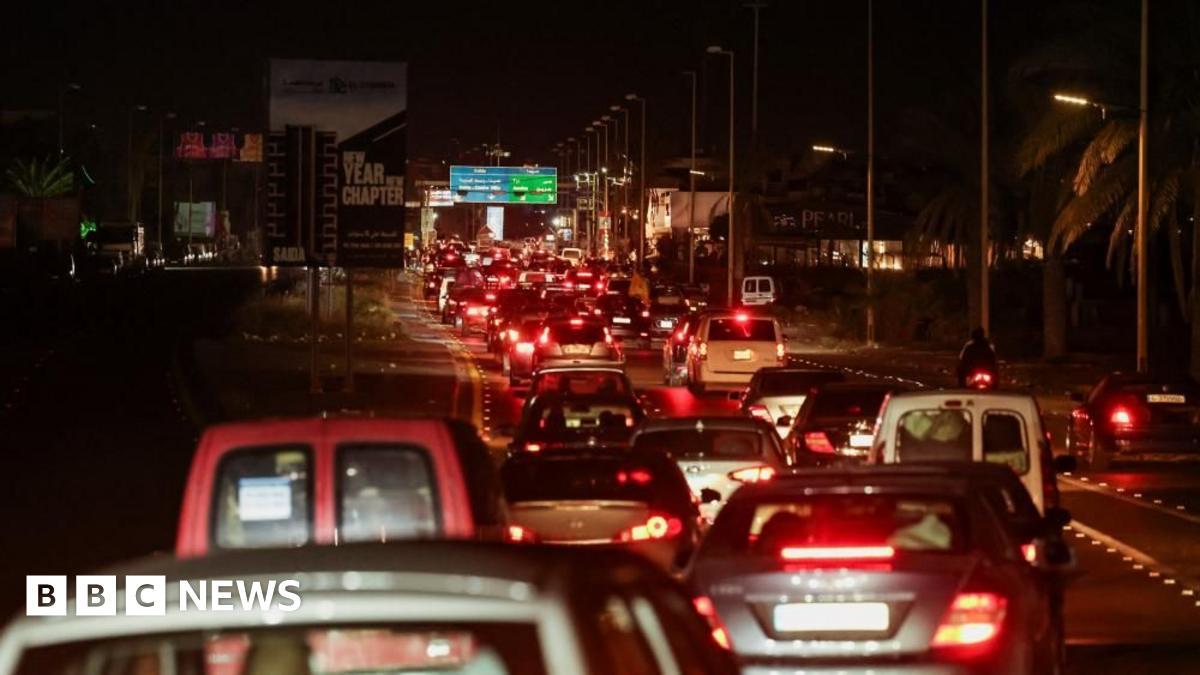
In Beirut, the BBC said there were “streaks of tracer fire” as people celebrated the ceasefire, and it also described “queues of traffic as displaced people returned to their homes in Sidon.”
The BBC added that Lebanese authorities say the war has displaced “more than one million people,” and it reported scenes of celebration and relief as displaced people started returning.
The Washington Post described celebratory gunfire after the clocks hit midnight in Lebanon, saying the U.S.-brokered deal “promised to halt Israeli strikes in the country went into force.”
Across the reporting, Israel’s position was that it would not withdraw from southern Lebanon positions, with Netanyahu saying Israeli forces will not withdraw and with CNN adding that a Hezbollah official warned the group reserves the right to respond to attacks.
Diplomacy and disputed terms
The ceasefire’s implementation was tied to a broader U.S.-Iran track, with multiple outlets describing how Lebanon’s inclusion became a condition of the negotiations.
DW said Iran’s Foreign Ministry welcomed the ceasefire and called it part of an earlier two-week ceasefire deal between Tehran and the United States, with IRNA quoting spokesperson Esmaeil Baghaei saying the cessation of the war in Lebanon was “part of the ceasefire understanding between Iran and the United States, mediated by Pakistan.”

NPR reported that Iran “has said it would not engage in negotiations with the United States unless Israel entered into a ceasefire in Lebanon,” and it added that Trump sounded optimistic again about negotiations with Iran.
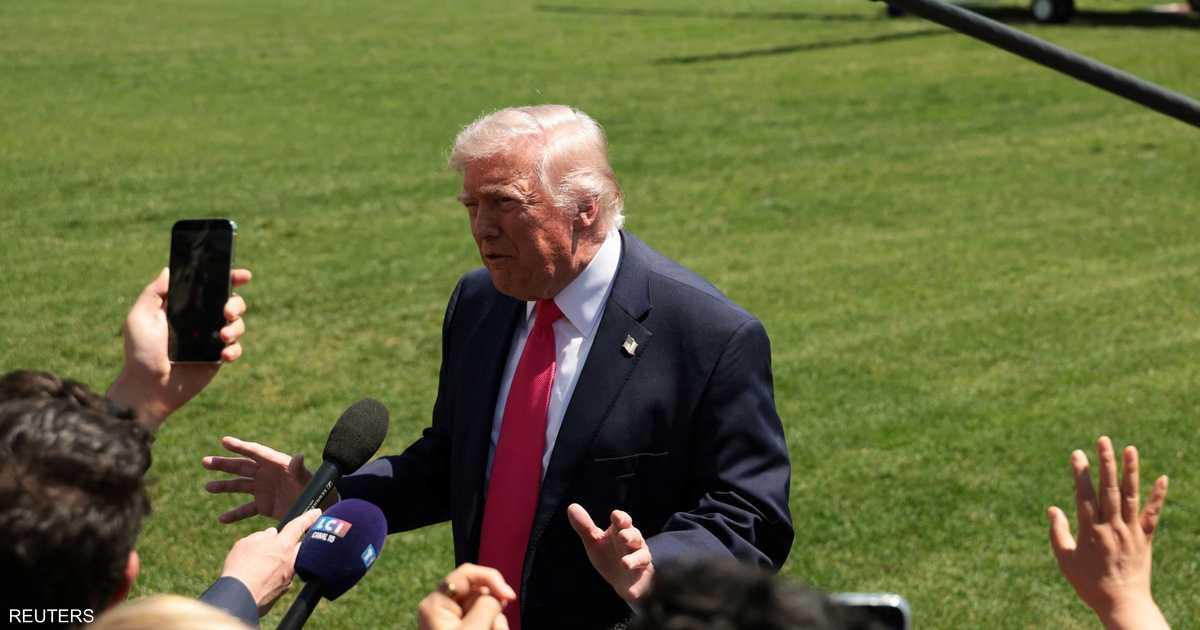
The NBC News account said Trump announced the ceasefire after he directed Vice President JD Vance and Secretary of State Marco Rubio to work with the countries, and it quoted Trump’s Truth Social message that Lebanese President Joseph Aoun and Israeli Prime Minister Benjamin Netanyahu “have agreed that in order to achieve PEACE between their Countries, they will formally begin a 10 Day CEASEFIRE at 5 P.M. EST.”
The State Department’s framing of the deal was also central: the New York Times said the U.S. State Department outlined the truce in a memo saying Israel would retain the right “to take all necessary measures in self-defense” but would not carry out “offensive operations” against Lebanese targets.
At the same time, Israel’s military posture remained forward, with PBS reporting Netanyahu said it would extend 10 kilometers (6 miles) into Lebanon and that “That is where we are, and we are not leaving,” while CNN said Netanyahu had said Israeli forces will not withdraw from positions in southern Lebanon.
Hezbollah’s position and warnings
Hezbollah’s stance toward the ceasefire was presented as conditional and tied to how Israel behaves, with several outlets quoting the group’s messaging.
NPR said Hezbollah acknowledged the ceasefire in a statement but urged Lebanese who had to flee violence in their villages in southern Lebanon to “hold off going back to for their safety,” and it added that Hezbollah said the Lebanese people have “the right to resist” Israeli forces in the country.
CNN reported that a Hezbollah official warned the group reserves the right to respond to attacks, and it also said Hezbollah would be a key sticking point in negotiations on the U.S.-Iran war.
CBC quoted Reuters reporting that senior Hezbollah lawmaker Hassan Fadlallah told Reuters it would depend on Israel’s commitment to “halt all forms of hostilities.”
Newsweek included a Hezbollah spokesperson’s statement that “the enemy must adhere to the ceasefire, unlike what occurred previously, when Hezbollah observed the truce while the enemy targeted Lebanese civilians on public roads, in front of their homes and before the eyes of their children.”
In parallel, Israel’s warnings to civilians in southern Lebanon were described as part of the ceasefire’s operational reality: CNN cited Israeli military warnings not to move south of the Litani River, and it quoted military spokesman Avichay Adraee saying troops remain positioned “in the face of Hezbollah’s ongoing terrorist activities.”
Violations and competing narratives
Even as the ceasefire began, the reporting showed immediate disputes over whether hostilities continued and how.
The BBC said the Lebanese Army recorded “several Israeli attacks, including intermittent shelling, on Lebanese villages,” and it urged displaced people to exercise caution in returning to southern towns and to avoid hazardous areas.
CNN similarly said the Lebanese army accused Israel of violating the ceasefire, alleging intermittent shelling in the south, and it added that the Lebanese army said it recorded multiple ceasefire violations after the truce went into effect at midnight local time on Friday.
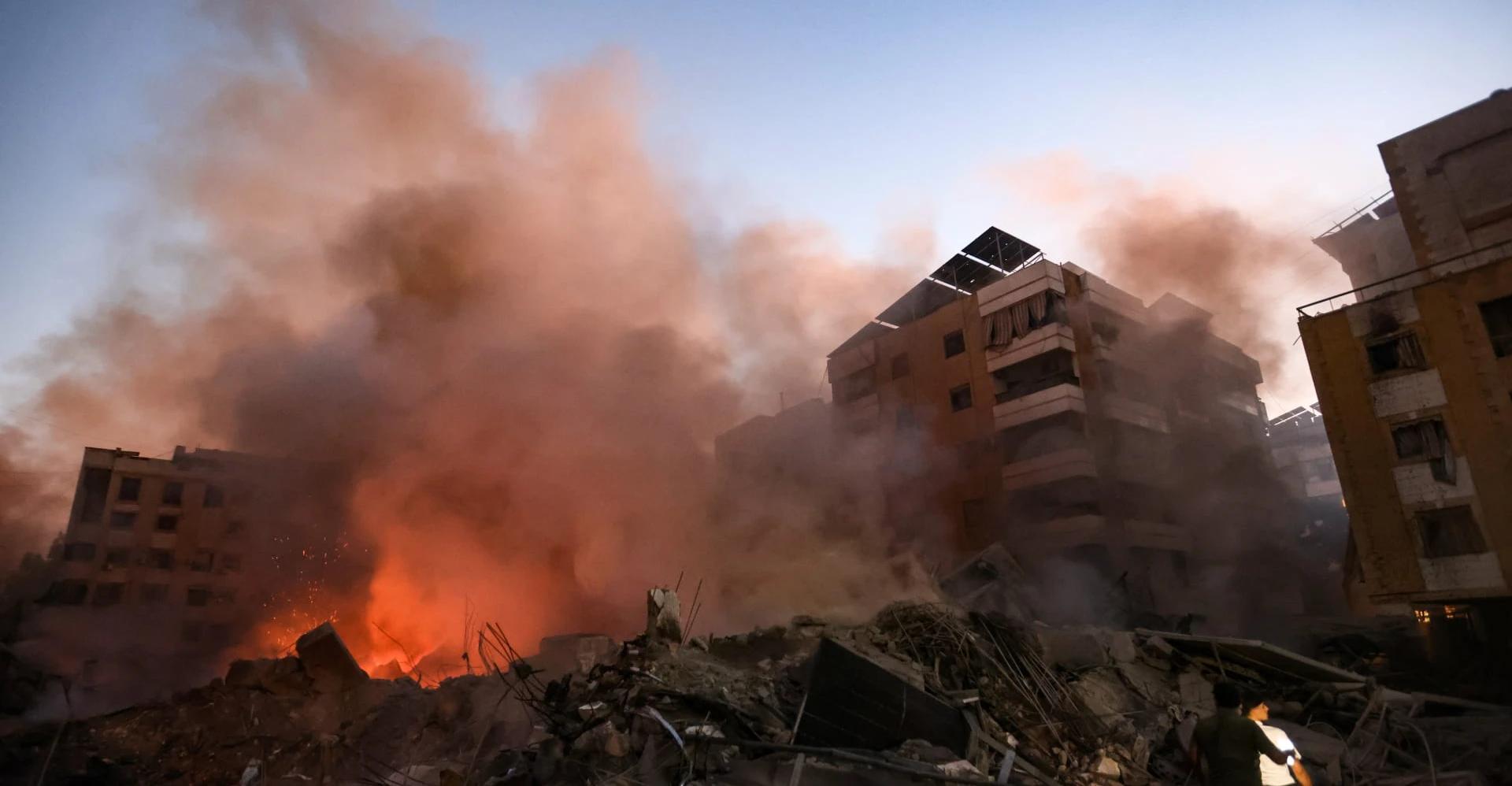
The Guardian reported that Lebanon’s state-run National News Agency said Israeli shelling continued in the villages of Khiam and Dibbine about a half hour after the truce went into effect at midnight Friday local time, and it said Israel’s military was looking into reports of shelling and artillery fire.
Reuters-based reporting in CBC said Israeli artillery continued shelling areas in the south about half an hour after the ceasefire took effect, and it also said machine-gun fire was heard in the area.
At the same time, Israel’s military warnings and operational claims were consistent across outlets: CNN quoted Avichay Adraee requesting people not to move south of the Litani River “until further notice,” and it said Israeli forces remain deployed there.
What happens next
The ceasefire’s next phase was framed as both a diplomatic opening and a test of whether it can be extended or turned into a longer arrangement.
The NBC News account said the ceasefire deal commits Israel and Lebanon to “engaging in good-faith direct negotiations, facilitated by the United States, with the objective of achieving a comprehensive agreement,” and it said the initial 10-day period “may be extended by mutual agreement between Lebanon and Israel if progress is demonstrated in the negotiations.”

The New York Times described the truce as potentially lifting “a major obstacle to America’s peace effort with Iran,” while also emphasizing that the conflict between Israel and Hezbollah imperiled “a two-week cease-fire between the United States and Israel on one side and Iran on the other.”
DW said the Pakistani delegation led by Field Marshal Asim Munir was in Tehran to shore up the fragile ceasefire, and it also described Iran’s Foreign Ministry welcoming the truce as part of the Iran-U.S. understanding mediated by Pakistan.
CNN said Trump voiced confidence Thursday that a deal with Tehran will come soon and that another round of talks could take place this weekend, while also saying US officials said troops in the Middle East are “rearming” and stand ready to resume combat if Iran negotiations fail.
The Guardian reported that UN secretary general António Guterres welcomed the Israel-Lebanon ceasefire and urged “all actors” to fully respect it, and it said the UN chief hoped the temporary halt would “pave the way for negotiations.”
More on Lebanon

Trump Announces 10-Day Israel-Lebanon Ceasefire After Talks With Netanyahu And Joseph Aoun
17 sources compared
Israeli Artillery Shelling Continues in Southern Lebanon After Israel-Hezbollah Ceasefire Takes Effect
10 sources compared
Israel And Hezbollah Begin 10-Day Cease-Fire As Trump Brokers Truce In Lebanon
15 sources compared

Trump Announces 10-Day Israel-Lebanon Ceasefire Starting Thursday at 5 P.M. ET
30 sources compared