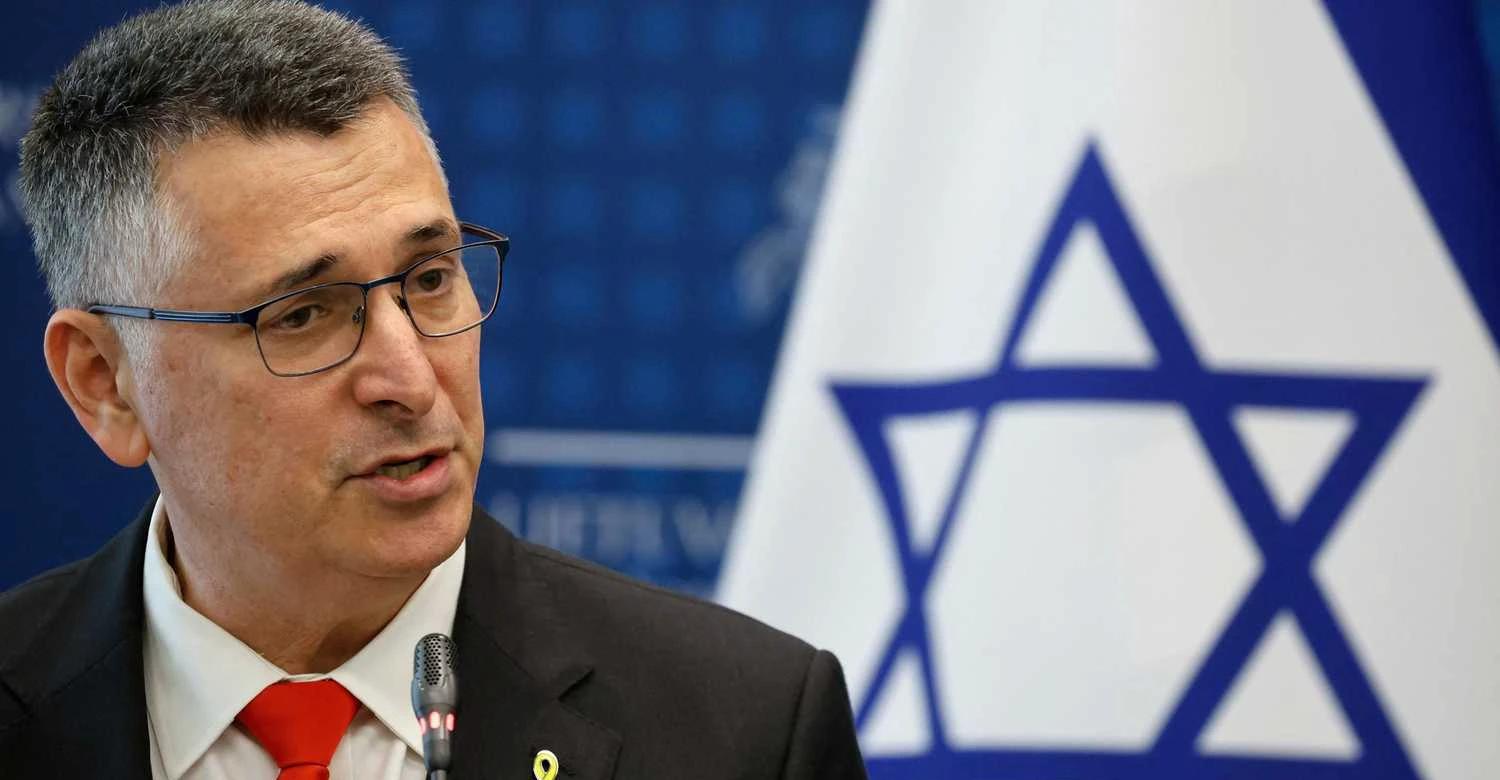
Israel and Lebanon Hold First Direct Peace Talks Since 1993 in Washington
Key Takeaways
- Israel seeks peace and normalization with Lebanon, with talks held in Washington, DC.
- Lebanon and Israel ambassadors, with US mediation, meet to discuss ceasefire and security arrangements.
- Israel proposes long-term troop presence in southern Lebanon, contingent on Beirut's approval.
Historic Talks
Israel and Lebanon engaged in direct diplomatic talks in Washington on April 14, 2026, marking the first high-level contact since 1993.
The talks were mediated by US Secretary of State Marco Rubio and involved the respective ambassadors.

Israel's Foreign Minister Saar framed the talks as a step toward peace and normalisation, stating the problem is Hezbollah.
The Lebanese government sought a ceasefire as a precondition, while Israel insisted on disarmament of Hezbollah.
The talks came after more than a month of conflict that killed over 2,000 people in Lebanon.
Hezbollah's leader Naim Qassem called for the talks to be scrapped, describing them as futile.
Divergent Objectives
Lebanon's main goal was an immediate ceasefire to allow negotiations in a more quiet mood.
Israel demanded the full and rapid disarmament of Hezbollah as a condition for any truce.

Israeli Foreign Minister Saar insisted that Hezbollah was the problem.
The Israeli military warned it expected a rise in attacks by Hezbollah as the talks kicked off.
Despite the peace talks, fighting did not stop.
Israeli strikes killed 35 people in Lebanon on the day the talks began.
Hezbollah and Domestic Politics
Hezbollah's opposition to the talks was a major complicating factor.
The militant group had fired rockets into Israel on March 2 in solidarity with Iran.
Lebanon's top political authorities proposed direct talks in a bid to stop the escalation.
Hezbollah's chief Naim Qassem urged Lebanon to cancel the meeting.
The Lebanese government has little leverage as it cannot control Hezbollah.
The talks were described as a preparatory meeting.
International Reactions
The talks proceeded amid shifting international dynamics.
France's President Macron faced criticism for his lack of support for Trump's war against Iran.

Israeli officials reportedly requested that France be excluded from the talks.
The US-Israeli blockade of Iranian ports began in the Strait of Hormuz.
Despite the blockade, the fragile two-week truce between Washington and Tehran remained in place.
Trump said Iranian representatives had called Washington since a US delegation returned empty-handed.
More on Other

NASA Artemis II Crew Returns Safely After Record-Breaking Moon Voyage
16 sources compared

Israel Reprimands Spain After Netanyahu Effigy Packed With Explosives Blown Up
14 sources compared
OIC Condemns Israel for Approving 34 New West Bank Settlements as War Crimes
11 sources compared
OIC Condemns Israel's Approval of 34 New West Bank Settlements
10 sources compared