
Israel And U.S. Coordinate Strikes On Iranian Targets As Iran Attacks UAE
Key Takeaways
- Israel and the US plan strikes on Iran, targeting energy infrastructure and senior Iranian officials.
- Iran's attacks on the UAE continued, intensifying regional escalation and straining the ceasefire.
- New estimates cast doubt on whether strikes achieved their objectives.
Strikes and Hormuz Tensions
Israel and the United States are coordinating plans for another round of strikes on Iranian targets as Iran keeps up its attacks on the United Arab Emirates for a second straight day, CNN reported Tuesday. The plans, drawn up before the ceasefire with Iran began in April, include strikes on Iran’s energy infrastructure and targeted killings of senior officials, according to an Israeli source cited by CNN. The UAE said Iran fired 12 ballistic missiles, three cruise missiles, and four drones at the country on Monday, and Emirati officials said Iran launched additional missiles and drones on Tuesday. In response to the wider standoff over the Strait of Hormuz, the U.S. Central Command chief Adm. Brad Cooper said American forces had cleared a mine-free route through the strait and were escorting civilian vessels when Tehran launched cruise missiles, drones, and small boats at ships under U.S. protection.
U.S. Role and Israeli Options
CNN’s reporting, as echoed by Caliber.Az, said the operational plans were largely ready for execution shortly before the ceasefire was agreed in early April, with a short campaign aimed at pressuring Iran into further concessions in negotiations. The decision to resume military action, however, was described as depending on U.S. President Donald Trump, who has expressed frustration over stalled negotiations and the lack of progress in reopening the Strait of Hormuz. Israel’s new Air Force commander Omer Tishler said during his inauguration ceremony that the State of Israel is prepared to use the “full air force” against Iran if necessary, while also saying Israel is closely monitoring developments in Iran. In the same period, Trump downplayed Iran’s military capabilities and told reporters in the Oval Office that “They should do what is smart, because we do not want to intervene and kill people,” as he urged Iran to strike a deal.
Economic Fallout and Escalation Risks
Beyond the battlefield, the Times of India reported that the UAE’s non-oil private sector expanded at its slowest pace since February 2021 in April as the Iran war hammered shipping and tourism, hitting sales and exports alike. The report said the seasonally adjusted S&P Global UAE Purchasing Managers' Index fell to 52.1 in April from 52.9 in March, while the headline PMI in Dubai fell to 51.6 in April, a 55-month low, from 53.2 in March. In parallel, CBS News said the U.S. began an effort to guide stranded ships out of the Iran-gripped Strait of Hormuz, with the Joint Maritime Information Center setting up an “enhanced security area” south of typical shipping routes and urging mariners to coordinate closely with Omani authorities. Iran’s military warned that U.S. forces would be attacked if they entered the Strait of Hormuz, with Major General Ali Abdolla.hi saying any foreign armed force “will be targeted and attacked.”
More on Iran
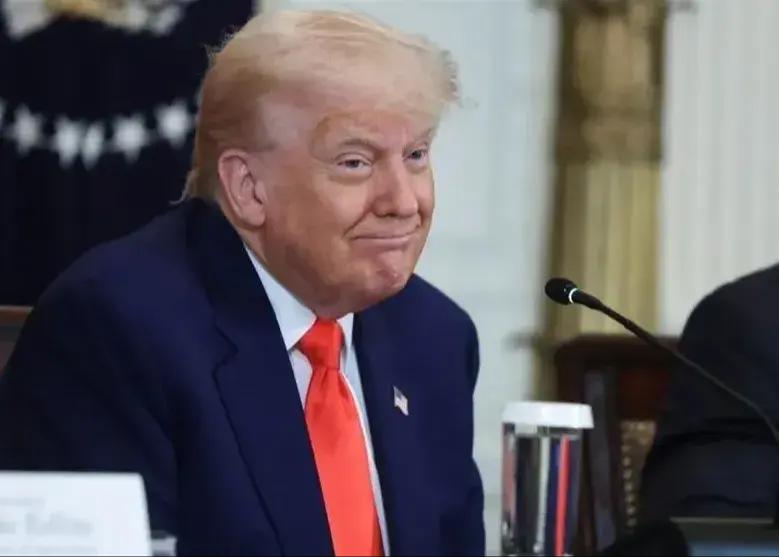
Donald Trump Pauses Project Freedom to Guide Stranded Vessels Out of Strait of Hormuz
40 sources compared
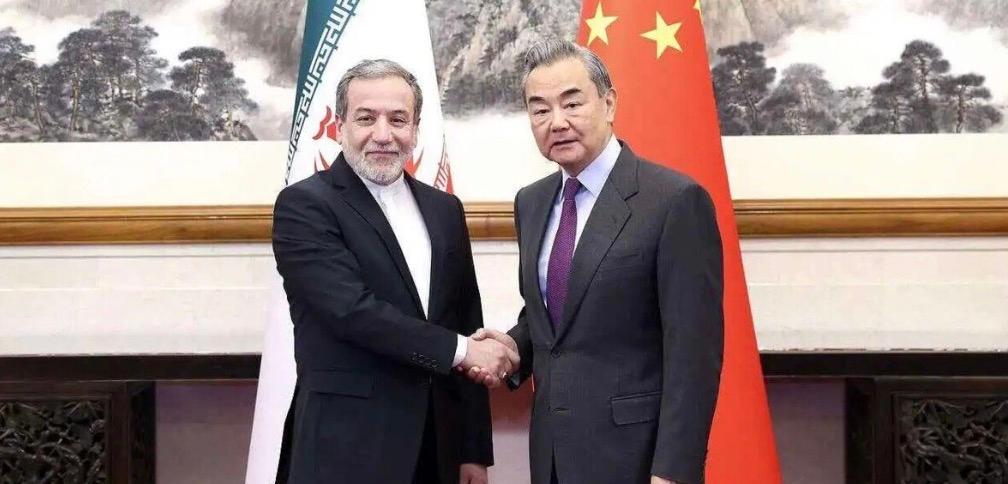
Abbas Araghchi Meets Wang Yi in Beijing as China Presses Iran To Reopen Strait of Hormuz
14 sources compared
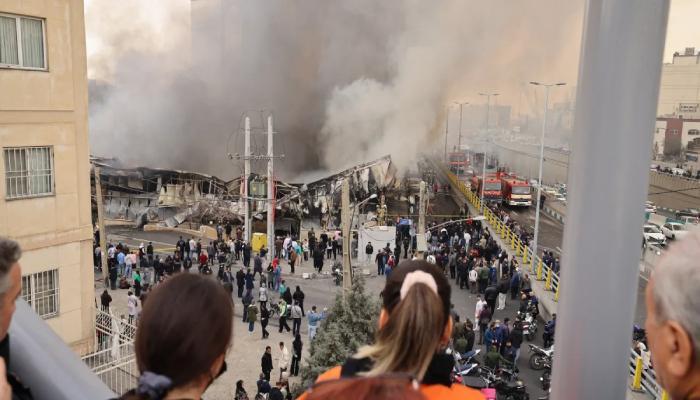
Fire at Arghavan Shopping Centre in Andisheh, Tehran Kills Eight, Injures 40
16 sources compared
U.S. And Iran Close In On One-Page Memo To End War, Set Nuclear Talks Framework
14 sources compared