
Israel and US Strike Iran as Missiles Hit Amid Nowruz Celebrations
Key Takeaways
- Iranian missile debris struck Jerusalem's Old City, near sacred sites.
- Reports frame the incident within ongoing US-Israel pressure on Iran.
- The strike occurred as Nowruz and Eid celebrations took place nearby.
Escalating Strikes
The Israel Defense Forces and United States launched coordinated strikes against Iran during Nowruz celebrations, escalating the 21-day conflict between the nations.
“Several were lightly wounded, Israeli authorities said”
The IDF confirmed killing IRGC spokesman Gen. Ali Mohammad Naini in an airstrike the previous night, calling him 'the IRGC's main propagandist' who disseminated terrorist propaganda to proxies across the Middle East.
The strikes targeted Iranian infrastructure, military sites, and ballistic missile facilities across Tehran and other cities, with the IDF claiming to have 'degraded most of the regime's capabilities to launch from western Iran.'
Meanwhile, Iran continued firing ballistic missiles from the center of the country, and the U.S.-Israel alliance destroyed 16 Iranian cargo vessels in port towns on the Gulf, according to local media reports.
Holiday Disruption
The ongoing war severely disrupted Nowruz and Eid al-Fitr celebrations across the Middle East, with missile strikes and conflicts overshadowing traditional festivities.
Four Palestinian women were killed by missile fragments while getting their nails done in a makeshift salon in the West Bank in preparation for Eid celebrations.

In Jerusalem, debris from intercepted Iranian missiles landed near the Noble Sanctuary/Temple Mount compound, one of the world's most sensitive religious sites.
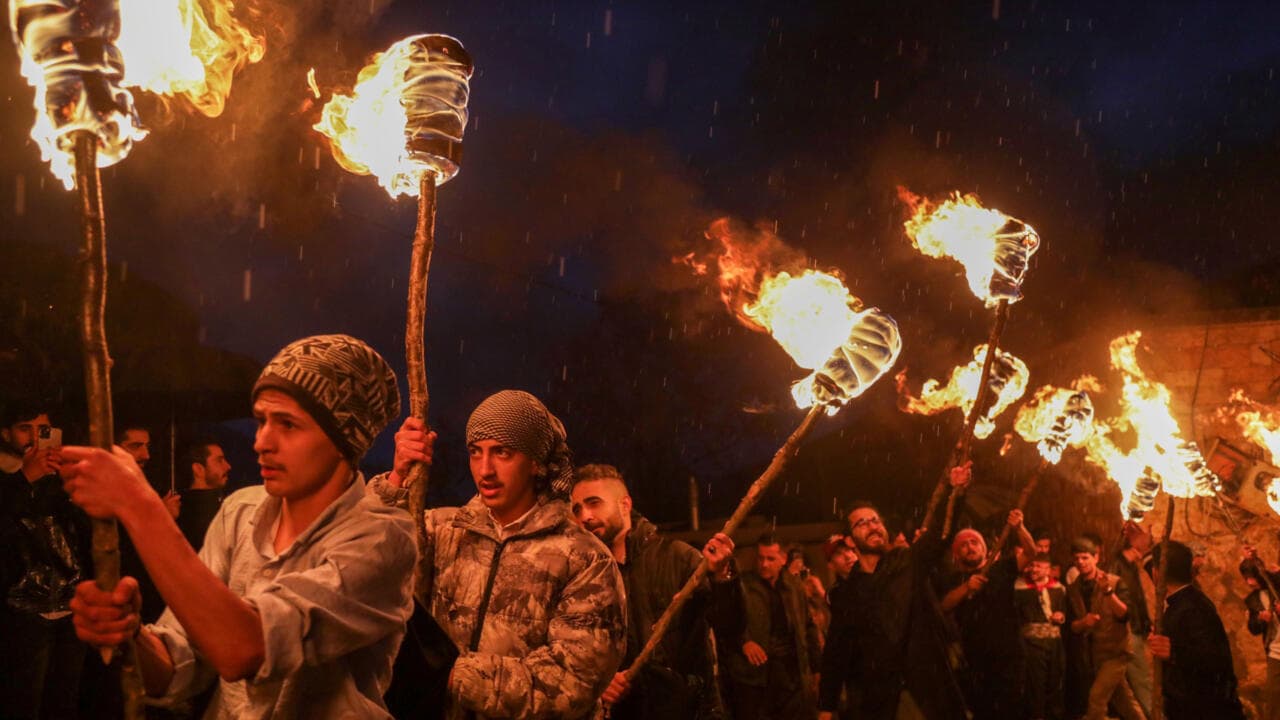
Iranian residents in northern Iraq described a 'silence than celebration' during Nowruz, with one refugee noting, 'This is the first Nowruz that feels empty ... The grief is heavier than any desire to celebrate.'
The war has created a profound sense of uncertainty, with many Iranians experiencing 'a mix of hope, fear and deep uncertainty about what lies ahead' during their traditional new year celebrations.
Casualties Mount
The conflict has resulted in significant casualties on multiple fronts, with at least 1,000 people killed in both Iran and Lebanon over the past three weeks, according to national and local authorities.
“In a series of updates from the ministry of defense, Saudi Arabia says it has intercepted and destroyed six drones in the eastern region of the country”
Israel reported 18 deaths, while eight people died in the United Arab Emirates and more casualties occurred in other Persian Gulf countries and Palestinian territories.
The IDF acknowledged losing more than a dozen Israeli Air Force drones over Iran, though no fighter jets had been shot down despite pilots coming under anti-aircraft missile fire.
Iranian officials claimed their missile industry remained operational despite the conflict, with an IRGC spokesman stating, 'Our missile industry score is 20,' referring to a perfect score in the Iranian schools' grading system.
The military exchanges have intensified, with both sides engaging in strikes that have disrupted civilian life and religious observances.
International Response
The war has drawn international condemnation and reactions, with Israeli Prime Minister Benjamin Netanyahu releasing a Nowruz video message calling for Iranians to 'rise up against their government' despite the risk they will 'get slaughtered.'
The conflict has also strained NATO alliances, with President Trump calling NATO allies 'cowards' over alleged lack of support for the Iran war.
In Lebanon, over a million people have been displaced amid ongoing Israeli airstrikes that have targeted Hezbollah positions, with dozens of shelters demolished.
Israel has banned worshippers from Eid prayers at al-Aqsa Mosque in Jerusalem for the first time since 1967, citing security concerns.
The United States has reportedly eased restrictions on Iranian oil imports, which some analysts suggest could signal 'the beginning of the end of war' as economic pressures mount on all parties involved.
Humanitarian Crisis
The humanitarian toll of the conflict has been severe, with civilians bearing the brunt of the violence across multiple countries.
“Iranian Kurds long for home as they mark Nowruz in Iraq Sulaimaniyah (Iraq) (AFP) – In Iraq's northern Kurdistan region, women perform a traditional dance, their long dresses spinning, gold tassels and heavy necklaces catching the firelight, as smaller crowds than usual celebrate Nowruz, overshadowed by the Middle East conflict”
In Gaza, where residents have faced war, food shortages, and restricted aid since October 2023, people struggled to celebrate Eid amid limited food supplies.

A 60-year-old mother of seven named Samira Touman told Al Jazeera that despite the high cost of food ingredients, 'people want to live and reclaim a little of the taste of Eid.'
In Iran, businesses have been devastated, with a 28-year-old pastry shop owner whose store was largely destroyed by strikes stating, 'We have always celebrated, but this year, I feel a lack of energy and motivation.'
The war has created widespread displacement and suffering, with refugee camps in Iraq filled with Iranians who have lost homes and loved ones.
Despite the devastation, some Iranians attempted to preserve their traditions, with a 48-year-old Tehran resident declaring, 'We must preserve our traditions, especially in times like these. It's an important part of our culture.'
More on Gaza Genocide

Trump Administration Sues Harvard University Over Civil Rights Violations Against Jewish and Israeli Students
50 sources compared
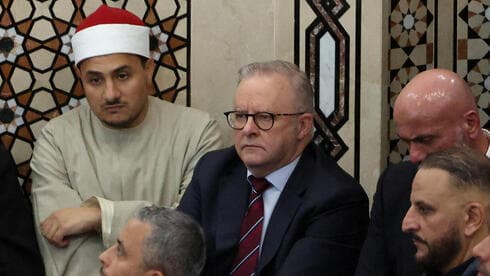
Protesters heckle Australian PM Albanese at Sydney mosque over Israel stance
18 sources compared

Iran Fires Missiles at Israel, Killing Three Palestinian Women and a Foreign Worker
23 sources compared

UEFA Cancels Finalissima as Argentina Rejects Alternatives Amid Middle East War
11 sources compared