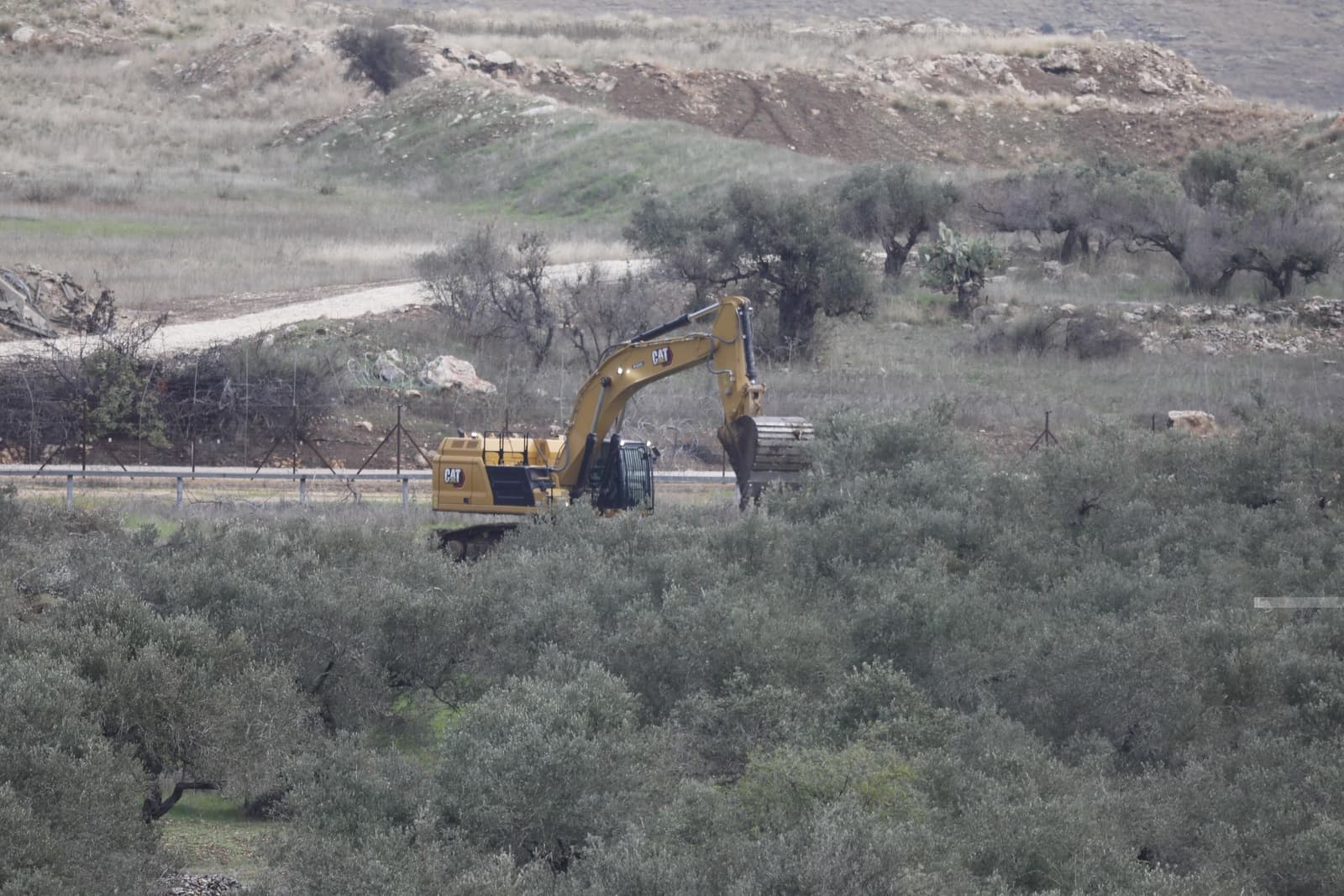
Israel Bulldozes, Uproots Hundreds of Palestinian Olive Trees Over 60 Years Old Near Bethlehem
Key Takeaways
- Israeli forces uprooted hundreds of olive trees.
- Uprooting occurred in Wadi al-Hummus (Wadi al-Homs), east of Bethlehem.
- WAFA and Saba news agencies reported the incident.
Land clearing near Bethlehem
On Monday, March 9, 2026, Israeli forces bulldozed nearly 50 dunums in the al-Buq‘a site of Wadi al-Hummus east of Bethlehem.
“BETHLEHEM, March 9, 2026 (WAFA) — Israeli occupation forces uprooted hundreds of olive trees on Monday in the Wadi al-Hummus area near the town of Dar Salah and the village of al-Khas, east of Bethlehem, according to a local activist”
The operation uprooted hundreds of olive trees, some over 60 years old, and several forest trees that belong to residents of Bethlehem and Sur Baher.

Local activist Nidal Hazibi told WAFA that troops had entered the area about a week earlier and opened a gap in the separation wall to enable the land leveling, a deliberate operation that destroyed longstanding private orchards and family-owned trees.
Land clearance and barriers
The bulldozing fits a pattern described in regional reporting.
Authorities close off large tracts of Palestinian land under the stated pretext of 'security,' a policy that simultaneously clears ground for settler expansion.
WAFA's account that troops breached the separation barrier to facilitate leveling underscores how military operations and physical barriers are used together to seize and transform Palestinian land, not merely to enforce security restrictions.
Impact of olive tree uprooting
Uprooting hundreds of olive trees — many more than 60 years old — is an attack on Palestinian livelihoods and heritage.
“BETHLEHEM, March 9, 2026 (WAFA) — Israeli occupation forces uprooted hundreds of olive trees on Monday in the Wadi al-Hummus area near the town of Dar Salah and the village of al-Khas, east of Bethlehem, according to a local activist”
Olive groves are economically and culturally central to families in Bethlehem and Sur Baher; destroying mature trees erases long-term sources of income and severs intergenerational ties to the land.
WAFA’s detailed inventory of the trees lost — combined with reports of land closures and settler expansion in regional summaries — indicates this is not an isolated property dispute but part of broader dispossession dynamics.
Violence and administrative pressure
The action occurred against a backdrop of intensified regional violence and administrative pressure on Palestinians.
Saba’s summary notes a broader escalation, including heavy casualty figures reported from Gaza and Lebanon.
It also records administrative moves — such as Israeli courts postponing all prisoner hearings at Ofer and Salem — and highlights how military, legal, and political measures together increase pressure on Palestinian communities across occupied areas.
Al-Buq‘a bulldozing summary
The sources documenting the al-Buq‘a bulldozing — WAFA's on-the-ground reporting and regional summaries from Saba — present the event as a deliberate seizure and destruction of Palestinian land and property.
“BETHLEHEM, March 9, 2026 (WAFA) — Israeli occupation forces uprooted hundreds of olive trees on Monday in the Wadi al-Hummus area near the town of Dar Salah and the village of al-Khas, east of Bethlehem, according to a local activist”
The provided materials do not characterise this specific bulldozing as "genocide"; they emphasise land closure, settler expansion, and the destruction of olive trees as part of ongoing dispossession.
Additional independent investigations and wider reporting would be required to place this incident within legal frameworks or to assess criminal responsibility.
More on Gaza Genocide

Israel Drops Charges Against Five Soldiers Accused Of Sexually Assaulting Palestinian Detainee
23 sources compared

Israeli Reservist Soldier Kills Palestinian Man in Occupied West Bank as Israel Intensifies Military Presence
15 sources compared
Wealthy Flee Gulf as Private Jet Charters Surge to $350,000, Riyadh Becomes Evacuation Hub
26 sources compared
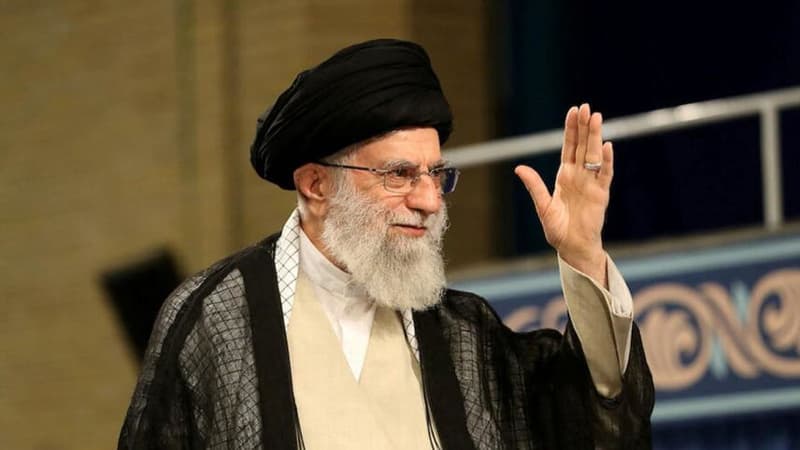
U.S. and Israel Assassinate Iranian Supreme Leader Ayatollah Ali Khamenei, President Donald Trump Says
137 sources compared