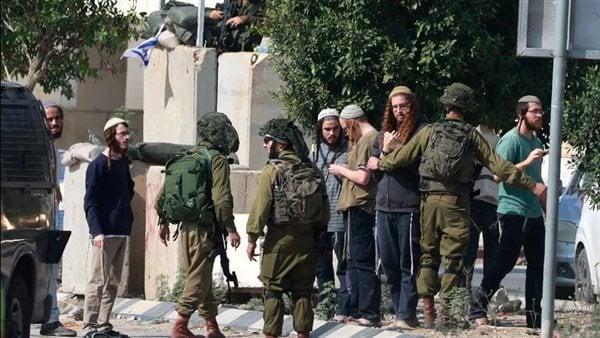
Israel Has Not Prosecuted West Bank Killers Since 2020, Guardian Analysis Finds
Key Takeaways
- Since 2020, at least 1,100 Palestinians killed in West Bank, about a quarter children.
- Israel has not prosecuted its citizens for West Bank killings since 2020.
- Former Prime Minister Olmert urges ICC intervention over West Bank impunity.
New impunity development
The single most important new development is the corroborated pattern of impunity for West Bank killings: Israel has not prosecuted any of its citizens for killing Palestinian civilians there since 2020, even as UN data show more than 1,100 Palestinians killed, including a quarter who were children.
“Israel has not prosecuted its citizens for killing Palestinian civilians in the occupied West Bank in recent years, according to an analysis of legal data and public records by The Guardian”
This indictment-free landscape sits alongside a proven investigative lull—between 2020 and 2025, more than 96% of police investigations into settler violence were closed without charges, and the last indictments tied to West Bank killings date to 2019 for security forces and 2018 for a civilian—creating a legal vacuum that rights groups and international observers describe as state-backed violence with almost no accountability.
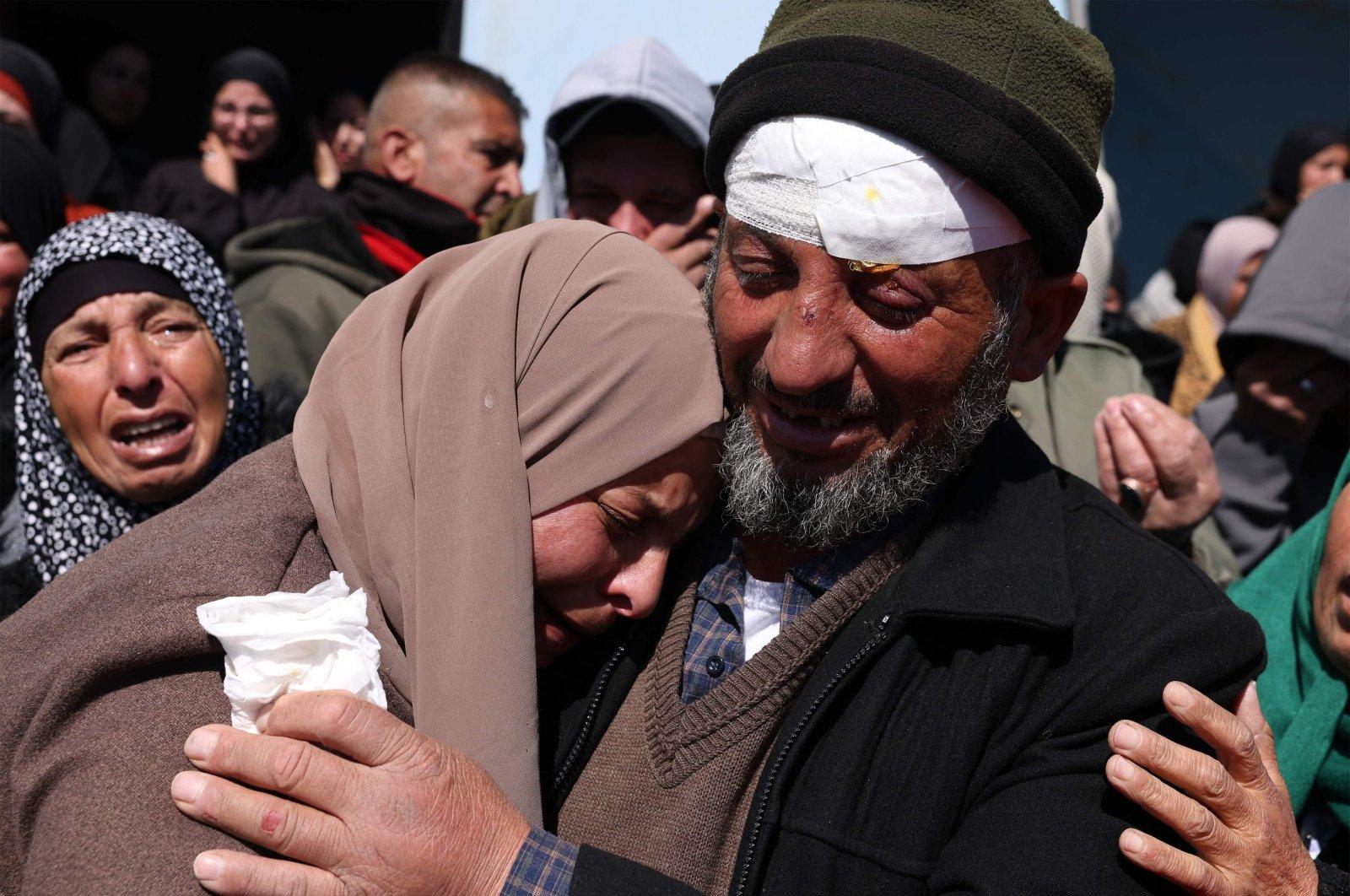
The Guardian’s analysis also notes that a crisis within Israel’s security establishment has emerged: a public letter from former senior security officials describes the violence as 'organised activity' and warns it could threaten the country’s existence if not confronted; Ehud Olmert has urged the ICC to act by issuing arrest warrants.
This confluence of high civilian toll, systematic non-prosecution, and domestic alarm marks a new, sharper landscape of accountability in West Asia reporting.
ICC intervention push
A second, closely related development is the explicit bid to bring ICC-level accountability to bear: former Israeli leaders, including Ehud Olmert, have publicly urged the International Criminal Court to intervene against what they call state-backed settler violence.
The Guardian’s reporting identifies a letter signed by two former army chiefs (one who also served as defence minister), five Mossad/Shin Bet chiefs, and four former police commissioners—jointly urging action and warning that domestic inaction risks legitimising a broader threat.

Olmert’s remarks framed the ICC appeal in stark terms: he urged the ICC to take enforcement measures and issue arrest warrants, arguing that if Israeli law enforcement fails to fulfil its duty, international authorities may need to intervene.
The coverage underscores a dispute inside Israel about whether international justice can or should adjudicate this domestic violence, framing ICC involvement as a potential check on what critics call 'state-backed' violence in the West Bank.
Accountability gap and statistics
The third crucial thread is the stark accountability gap contrasted with casualty figures: the killings since 2020 are almost entirely attributed to Israeli soldiers and settlers in the West Bank, yet not a single death has resulted in a prosecutable case against the perpetrators.
“Jewish terrorists, officers enjoy impunity from prosecution over killings, atrocities in West Bank: Report text_fieldsThe analysis report posits that a pervasive culture of institutionalised impunity blankets Jewish settlers in the West Bank, insulating them from prosecution despite the rampant atrocities unleashed against an innocent Palestinian populace”
The last indictment connected to a West Bank killing by Israeli forces occurred in 2019, and the last indictment against a civilian for a fatal Palestinian death dates to 2018, according to The Guardian’s synthesis of public records and Yesh Din data.
Rights groups in multiple languages have documented that more than 600 Palestinian complaints of military harm yielded indictments in under 1% of cases, reinforcing the sense of impunity.
Observers note that this pattern—rare prosecutions, frequent fatal encounters, and a preponderance of settler violence—feeds a cycle of violence and complicates international jurisdiction and accountability.
Context and broader framing
Context matters for readers who want to understand why these numbers matter: Western and regional observers describe the Gaza conflict in stark terms, with some UN bodies and rights groups labeling actions as genocide, while others frame Israeli military offensives as disproportionate or genocidal.
The Guardian notes that a UN commission, rights groups and genocide scholars say the Gaza campaign fits that gravest characterization, a framing echoed in regional outlets that highlight the 'genocidal war on Gaza' narrative while documenting how Western coverage often downplays Palestinian victims in favor of Israeli narratives.

The Turkish outlet Daily Sabah emphasizes the term, describing a ‘genocidal war on Gaza’ that has followed the Hamas incursion and subsequent Israeli operations, while Asian and Arabic outlets echo concerns about impunity and insist on international accountability for settler violence.
Collectively, these framings illuminate how the West Asia conflict is interpreted across diverse media ecosystems, with the West Bank killings in question underscoring a broader pattern of violence and insufficient accountability that many outlets insist must be addressed through international legal mechanisms.
More on Gaza Genocide

Israeli Forces Detain 21-Month-Old Jawad; Medical Report Finds Cigarette Burns And Puncture Wounds
18 sources compared
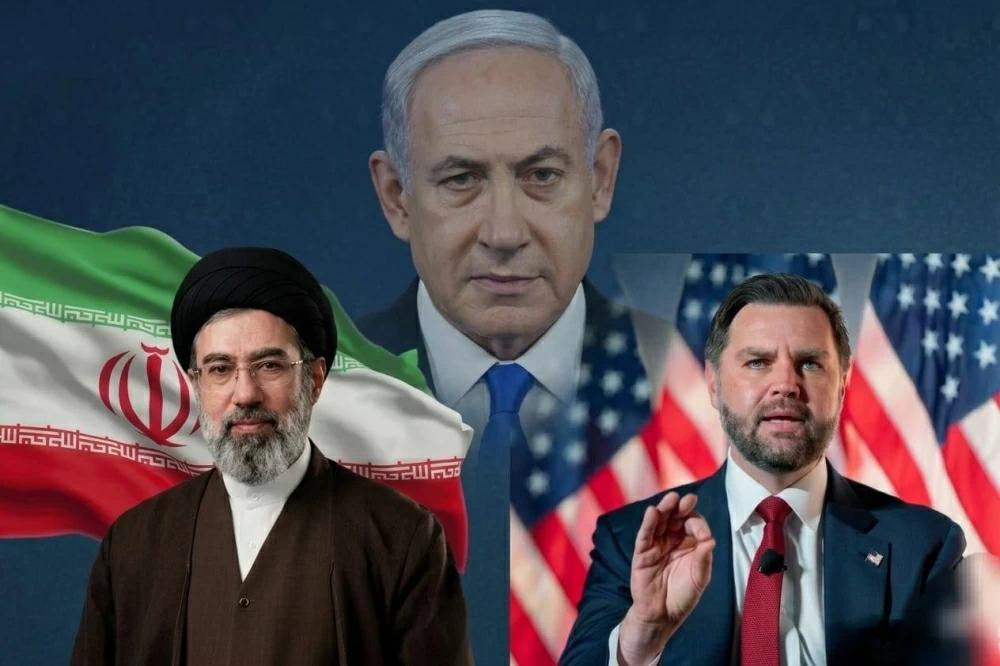
US Sends VP JD Vance To Negotiate With Iran Amid Conflict
12 sources compared

Israel Strikes Hezbollah; Iran Demands Ceasefire Include Lebanon and Halt Israeli Attacks
17 sources compared

Spain's PM Sanchez accuses Netanyahu of seeking Gaza-scale destruction in Lebanon
10 sources compared