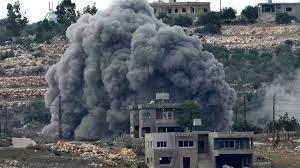
Israel Kills 12 In Attacks On Southern Lebanon As Trump Urges Netanyahu Restraint
Key Takeaways
- Israel intensified airstrikes and artillery on southern Lebanon towns.
- Lebanon's Health Ministry reports 12 killed and 49 wounded in 24 hours.
- Trump urged Netanyahu to show restraint amid the Lebanon ceasefire discussions.
Ceasefire, then strikes
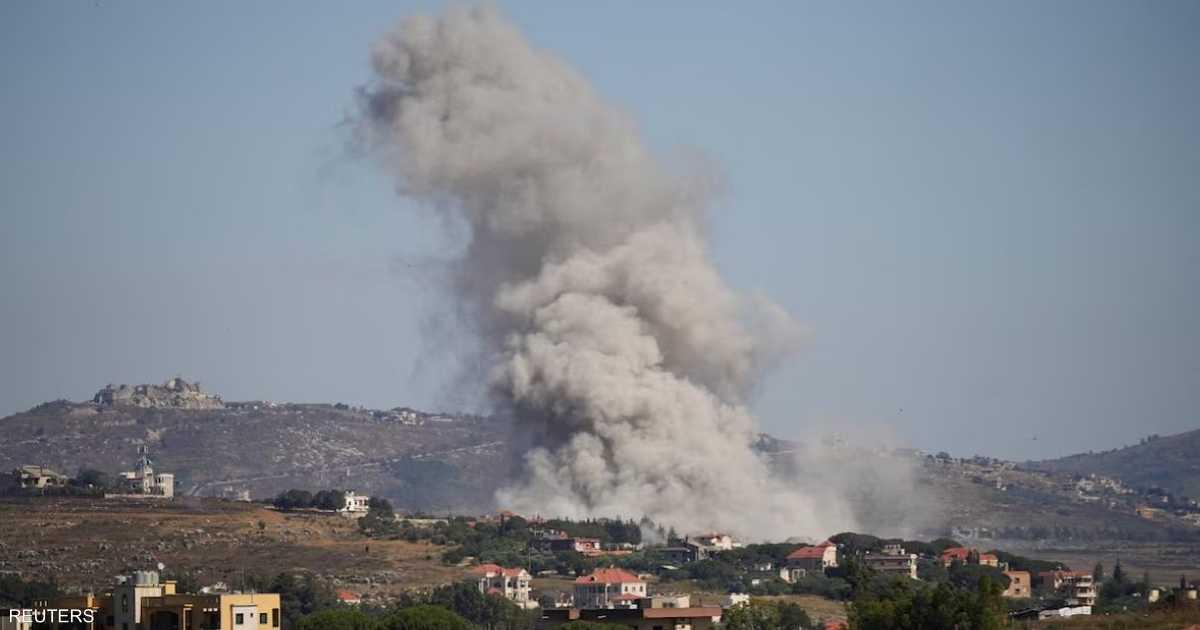
Lebanon’s southern towns and villages saw continued Israeli airstrikes and artillery shelling even as a ceasefire between Israel and Hezbollah was extended, with multiple outlets tying the violence to ongoing disputes over the ceasefire’s implementation.
Al Jazeera’s Arabic-language report says that “12 people were killed and 49 wounded within 24 hours in attacks by the Israeli army,” citing Lebanon’s Health Ministry, and it places the figures alongside U.S. President Donald Trump’s request to Israeli Prime Minister Benjamin Netanyahu to exercise restraint “regarding the ceasefire in Lebanon.”

The same Al Jazeera report says the Health Ministry’s Emergency Operations Center put the cumulative toll of Israeli aggression from “March 2 to April 27” at “2,521 dead and 7,804 wounded.”
It also describes Israeli Defense Minister Israel Katz saying the army destroyed underground terrorist infrastructure beneath al-Qantara in the new security zone south of Lebanon, and it notes that Katz ordered the army to destroy all such infrastructure “up to the Blue Line.”
In parallel, Al-Manar TV Lebanon says Israeli forces continued aggression in “clear violation of the ceasefire agreement,” listing air raids and shelling across multiple southern towns including Kafra, Mansouri, Haniyeh, Zawtar al-Sharqiyah, Jebchit, Shoukin, Haboush, Nabatieh Al-Fouqa, and Zibdine.
The Al Jazeera report also says Israeli aircraft raided the towns of Kufartabnit, Farouq, al-Tiri, al-Shahabiya, Juya, and al-Bazouriya, while its forces blew up residential neighborhoods in the city of Bint Jbeil, southern Lebanon.
Across the accounts, the ceasefire timeline is anchored to “April 17” when Trump announced a ceasefire for “10 days,” followed by a “three-week extension” announced “last Thursday,” with Israeli violations continuing through air raids and artillery shelling.
Trump, Netanyahu, and restraint
The renewed fighting in Lebanon’s south unfolded alongside U.S. President Donald Trump’s direct engagement with Israeli leadership, according to Al Jazeera’s report.
It says Trump urged Israeli Prime Minister Benjamin Netanyahu to “exercise restraint and not endanger the ceasefire in Lebanon” in a phone call “last night,” and it adds that Netanyahu “briefed the cabinet.”

The report further states that Netanyahu, who “on Monday said the ceasefire allows Israel to respond to threats,” told Trump during the call that it would be “impossible to curb attacks on soldiers and firing on residential gatherings on the northern border without that.”
Al Jazeera’s account also says Trump insisted on restraint “by Israel and not taking any action that could endanger the ceasefire at the moment,” while also seeking to sponsor negotiations between Israel and Lebanon.
It adds that Trump was “hoping to expand normalization agreements with Israel known as the Abraham Accords.”
In the same report, Hezbollah responded to what it described as a ceasefire breach by targeting Israeli forces and equipment, with the party saying its fighters targeted “two gatherings of Israeli soldiers and an Israeli Merkava tank” in the southern Lebanese towns of al-Taybeh and al-Qantara using “two attack drones.”
On the Israeli side, the report says the Israeli army stated that Hezbollah launched “explosive-laden drones” that exploded near its forces in southern Lebanon, and it reports sirens sounding in the Upper Galilee and in Masgaf Am due to drones launched toward its forces.
Towns hit, tunnels found
Other reporting focused on specific southern locations struck by Israeli forces and on Israeli claims about infrastructure in the security zone.
عكاظ says that in “new violations of the ceasefire,” Israeli forces launched airstrikes on towns in southern Lebanon including Frun, Safad al-Bateekh, and Haris in the Bent Jbeil district of the Nabatieh governorate.
It states that the airstrike on Safad al-Bateekh “resulted in injuries to 3 people,” while the strike on Haris “led to the death of a motorcyclist.”
In the Tyre district, the same report says Israeli warplanes targeted Sarifa and Al-Jumayjma, and it adds that an Israeli drone strike targeted Sidiqin “at the intersection of the Batm Mountains,” with “reports of one person being injured.”
The report also says an Israeli drone struck a motorcycle in Jouya, “resulting in injuries to two individuals,” and it describes Israeli army claims that the combat team of the “401st Brigade,” under the command of the “146th Division,” “continues to operate south of the front defense line.”
عكاظ further states that the Israeli army said forces discovered an underground tunnel “approximately 80 meters long,” containing “several rooms used by Hezbollah members,” and that after inspection and evidence collection, the tunnel was “destroyed by engineering forces.”
Finally, the report frames the broader pattern as continued attacks despite the ceasefire agreement that “began on April 17” and was “extended after direct talks in Washington,” while Israel and Hezbollah exchange accusations of violating the ceasefire agreement.
Civilian toll and Beirut strikes
While several accounts centered on southern Lebanon, Le Monde described a much broader and heavier strike pattern reaching central Beirut and its southern suburbs, with sharply different casualty totals.
The Le Monde report says that “a few hours after the announcement of a ceasefire between the United States and Iran,” about “a hundred airstrikes targeted several neighborhoods in central Beirut, its southern suburb, as well as towns and villages in eastern and southern Lebanon.”
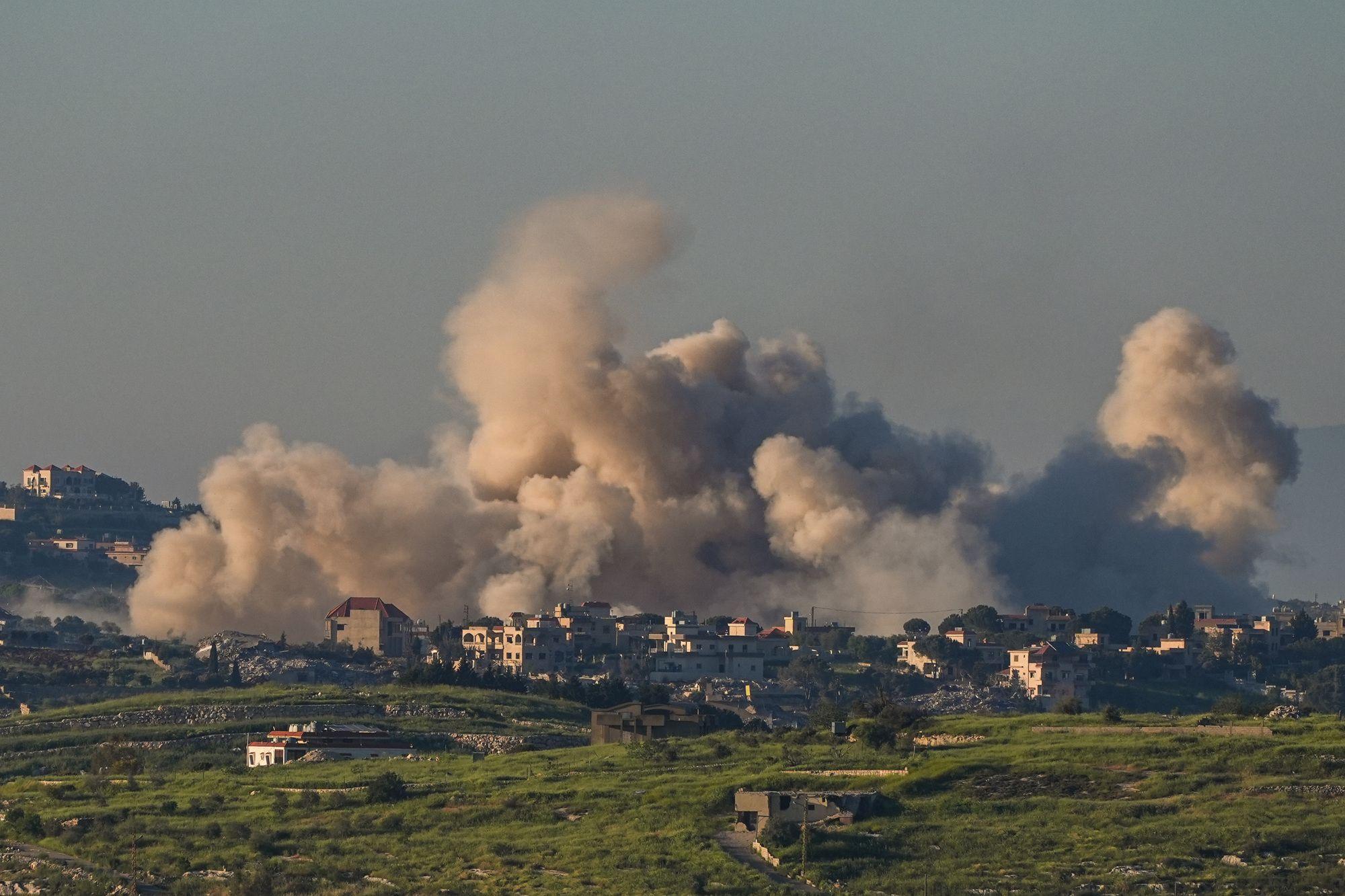
It states that “At least 254 people have died, according to Civil Defense,” while “the Health Ministry, known to be slower to tally victims, speaks of 182 dead,” creating a direct discrepancy within the same article.
Le Monde also describes the timing of the bombardment, saying that “At 2:30 p.m., Israeli bombs and missiles had crashed in a coordinated fashion” and that “In ten minutes” Israeli forces conducted “around a hundred strikes at the heart of residential districts.”
The article includes detailed descriptions from Rizk Hospital, where “the Rizk Hospital's chief physician, Karl Jallad,” is quoted lamenting: “We received many children, torn apart and disemboweled, amputated or with skull trauma. And also, many women. Some die on the road,” and it attributes the quote to him.
Le Monde also quotes Mariana Helou, “the head of the emergency department,” saying: “This is the first time, during this war and the autumn 2024 one, that we are receiving so many children after strikes. It is because they occurred in populated neighborhoods and on buildings where families lived.”
The report says earlier in the evening “four dead and about forty injured, most of them in critical condition” had been brought in, and it describes paramedics laying a “small, frail body” on a stretcher in a “funeral silence.”
Hezbollah and drones
Al-Manar TV Lebanon’s account emphasized Hezbollah’s retaliatory actions and Israeli military responses, describing a cycle of drone and missile engagements tied to specific southern towns.
It says “Islamic Resistance fighters targeted an Israeli helicopter over the town of Al-Bayyada with a surface-to-air missile and achieved a confirmed hit,” attributing the claim to a “Hezbollah Military Media statement.”

It then states that “Hezbollah’s Islamic Resistance fighters targeted a gathering of Israeli vehicles in the town of Al-Bayyada with an attack drone, scoring confirmed hit: Military Media statement 9.”
The same Al-Manar report also describes Israeli strikes on the ground, saying Israeli occupation forces launched air raids on the town of Kafra and artillery shelling on Mansouri and Haniyeh, while artillery fire struck Zawtar al-Sharqiyah.
It adds that enemy warplanes raided Jebchit and later that night launched raids on Shoukin and Haboush, coinciding with artillery shelling targeting Nabatieh Al-Fouqa and Zibdine.
In the Al Jazeera report, Hezbollah’s statement is framed as targeting two gatherings of Israeli soldiers and an Israeli Merkava tank in al-Taybeh and al-Qantara using “two attack drones,” and it also describes Hezbollah targeting an Israeli military bulldozer demolishing houses in Bint Jbeil.
Al Jazeera’s account also includes the Israeli army’s response that Hezbollah launched “explosive-laden drones” that exploded near its forces, and it says sirens sounded in the Upper Galilee and in Masgaf Am due to drones launched toward its forces.
More on Lebanon
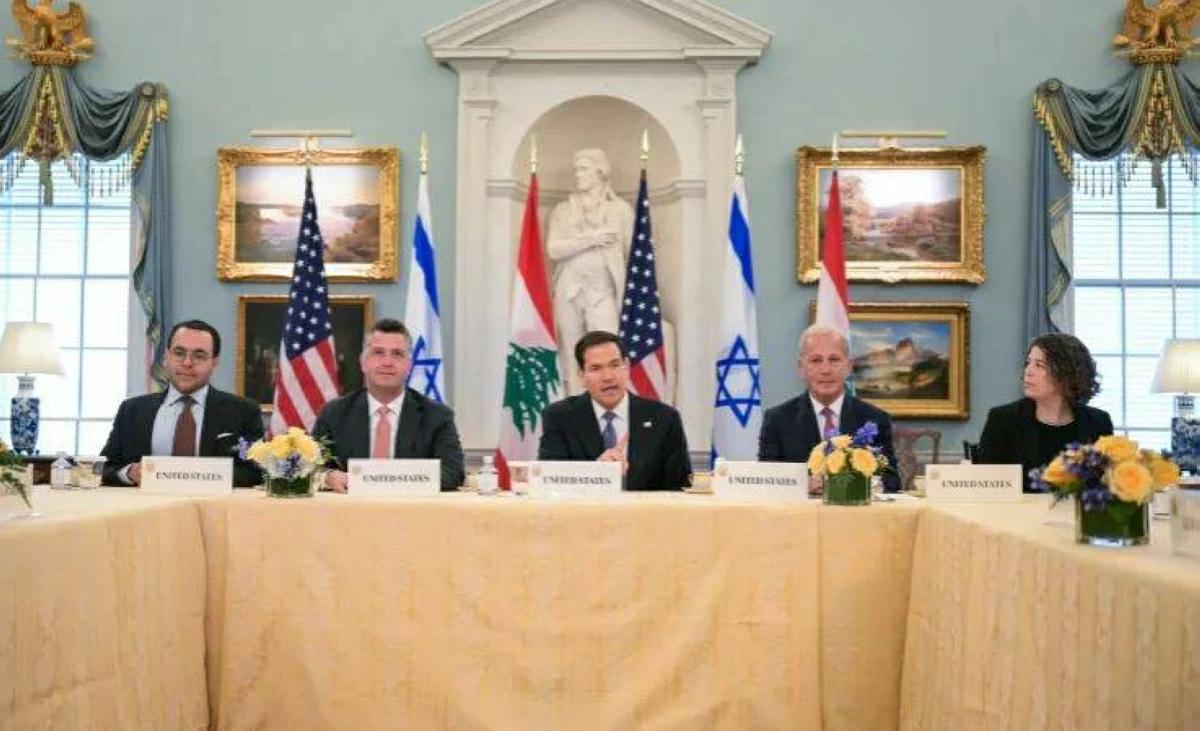
Israel and Hezbollah Agree Ceasefire After Lebanon Airstrikes Killed 47
12 sources compared
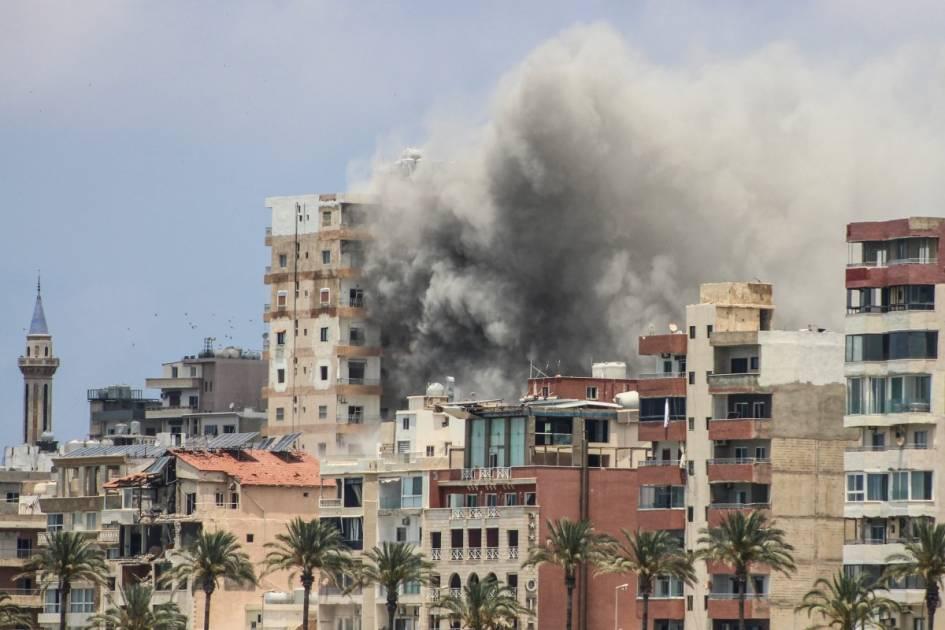
Israel Air Strikes Sejoud In Southern Lebanon Minutes After Ceasefire Announcement, Killing At Least 47
27 sources compared

Israel Continues Attacks On Lebanon After Ceasefire Renewal With Hezbollah
13 sources compared
Israeli Airstrikes Kill At Least 47 in Southern Lebanon as Israel and Hezbollah Agree Ceasefire
23 sources compared