Israel Kills At Least 47 as It Renews Ceasefire With Hezbollah in Lebanon
Key Takeaways
- Heavy Israeli strikes in southern Lebanon killed dozens, triggering Hezbollah retaliation.
- Israel and Hezbollah renewed a ceasefire after days of intense fighting.
- The conflict is connected to broader US-Iran diplomacy and regional talks.
Ceasefire, then strikes
Israel and Hezbollah agreed to renew a ceasefire in Lebanon after four Israeli soldiers’ deaths, but Al Jazeera reported that Israel continued attacks on Lebanon despite the ceasefire being reported.
Al Jazeera said the ceasefire was tied to wider efforts to end Middle East hostilities and that officials and diplomats from the United States and the Gulf separately told news agencies that the two sides agreed that a ceasefire would start at 4pm local time (13:00 GMT).

The Lebanese health ministry said Israel killed at least 47 people and wounded 97 in attacks on Lebanon that began at midnight and continued through Friday, according to Al Jazeera.
In a separate account, the BBC said the ceasefire came into effect at 16:00 local time (14:00 BST) but that strikes continued after the deadline, with the IDF vowing to "continue to remove immediate threats" and to "respond to Hezbollah's violations".
NBC News reported that President Donald Trump told NBC News in a phone call Friday afternoon that he spoke with Israel and asked them to agree to a ceasefire, adding: "It’s a positive," and "It’s a little icing on the cake."
Voices clash over meaning
Hezbollah Secretary-General Naim Qassem denounced what he called "the criminal Israeli war on Lebanon," and said the "project to eliminate Hezbollah and consolidate the occupation has failed" in a statement carried by Al Jazeera.
Al Jazeera also quoted residents in southern Lebanon questioning whether the ceasefire had any meaning, with Heidi Pett reporting from Tyre that "It doesn’t feel much like a ceasefire."

The BBC reported that Israel said its strikes were in response to repeated violations by Hezbollah, including an attack overnight which killed four IDF soldiers, and it said the ceasefire was an early test of the US-Iran deal requiring an "immediate and permanent" termination of military operations on all fronts including Lebanon.
In a different framing, NBC News said an official Hezbollah source told NBC News that the group would abide by the ceasefire but that the Israelis were still firing and trying to move deeper into Lebanese territory.
The Guardian reported that an Israeli official said late on Friday, "If Hezbollah does not attack us, then for us it is not a time of war," as it described the flareup that followed the ceasefire agreement.
What’s at stake next
The Guardian said the renewed ceasefire was agreed after 24 hours of intense violence posed an early challenge to the new agreement between the US and Iran to end their conflict, and it described a meeting scheduled between Washington and Tehran in Switzerland that was cancelled when Hezbollah killed four Israeli soldiers and Israel carried out retaliatory airstrikes.
“Israel has continued to attack Lebanon after the new ceasefire with Hezbollah was reported, raising fears that Tel Aviv is trying to wreck the fragile agreement tied to wider efforts to end Middle East hostilities”
NBC News reported that the intensified strikes cast doubts on the deal to end the war and that Vice President JD Vance canceled his planned travel to Switzerland for the talks, with the Swiss foreign ministry confirming the planned talks would not take place.
Al Jazeera said the next round of Lebanese-Israeli talks are due in Washington from June 23 to 25, after US Secretary of State Marco Rubio and Lebanese President Joseph Aoun spoke by phone, and it quoted Aoun saying a "comprehensive ceasefire" must serve as a "fundamental basis" for any direct negotiations with Israel.
The Guardian added that the MoU opened a 60-day window to negotiate a permanent understanding over Iran’s nuclear programme while getting oil traffic moving through the strait of Hormuz, and it said the MoU called for an end to hostilities on all fronts, including in Lebanon.
In the BBC’s account of the ceasefire test, it said Iran’s Foreign Minister Abbas Araghchi warned that any breach of commitments "will be attributed to the US," as the agreement required an "immediate and permanent" termination of military operations on all fronts including Lebanon.
More on Lebanon
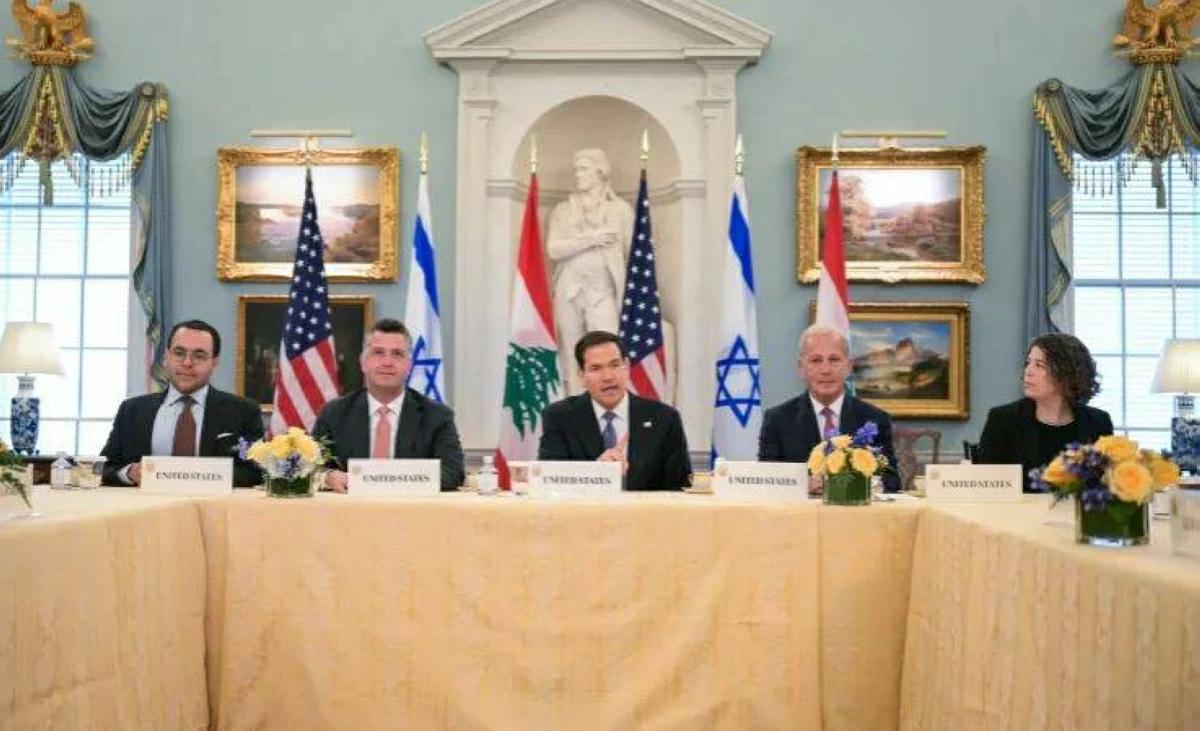
Israel and Hezbollah Agree Ceasefire After Lebanon Airstrikes Killed 47
12 sources compared
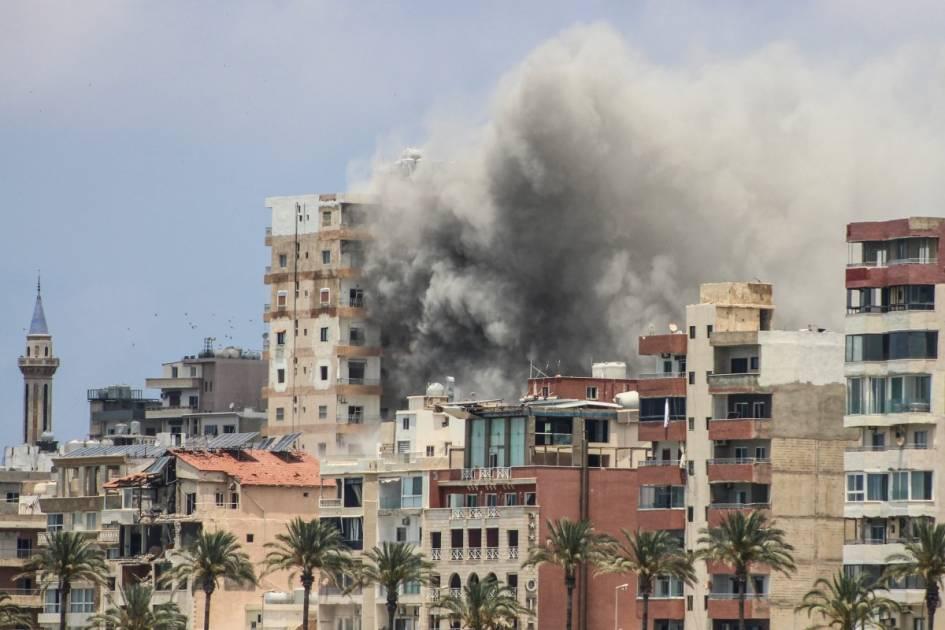
Israel Air Strikes Sejoud In Southern Lebanon Minutes After Ceasefire Announcement, Killing At Least 47
27 sources compared

Israel Continues Attacks On Lebanon After Ceasefire Renewal With Hezbollah
13 sources compared
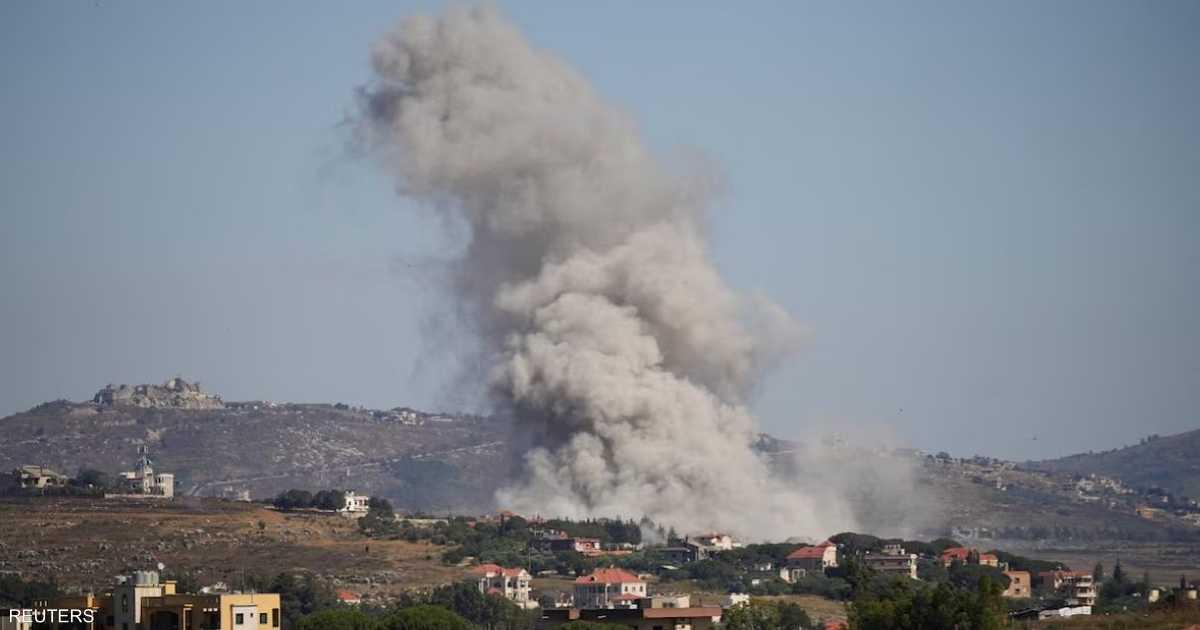
Israeli Airstrikes Kill At Least 47 in Southern Lebanon as Israel and Hezbollah Agree Ceasefire
23 sources compared