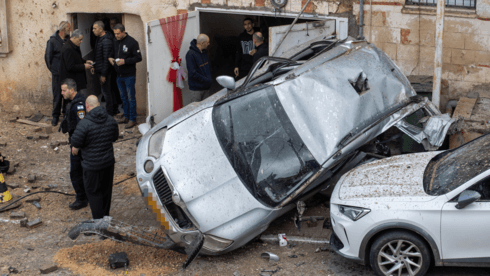
Israel Kills IRGC Navy Commander Tangsiri, Vows To Escalate Naval And Missile Strikes On Iran
Key Takeaways
- Iran launched missiles and drones at Israel, including Tel Aviv.
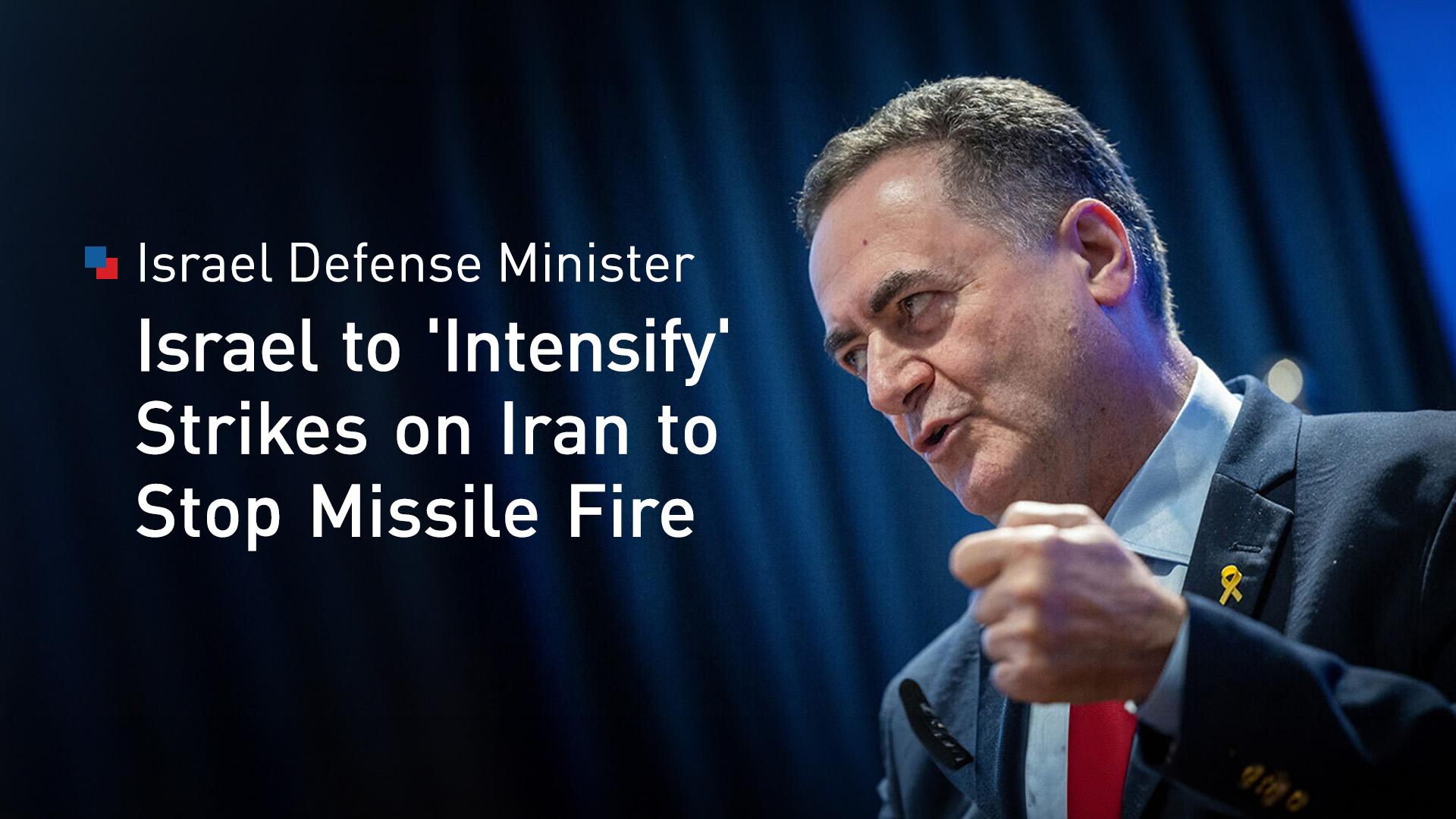
- Israel vows to intensify and expand strikes against Iran.
- The conflict remains ongoing with no clear end in sight.
New escalation: killing Tangsiri, broader strikes
The single most important new development is Israel’s public assertion that it has killed IRGC Navy Commander Alireza Tangsiri and will dramatically escalate its strikes on Iran, signaling a shift from localized air campaigns to a broadened, naval- and missile-focused escalation.
“Tehran, Iran – Heavily armed state forces continue to control Iran’s streets, despite the United States and Israel launching more strikes and preparing for a potential ground attack, as the nearly one-month war proceeds with no clear end point on the horizon Checkpoints, roadblocks and patrols, some manned by masked forces wielding assault rifles and machine guns mounted on pick-up trucks, have become a common sight in Tehran”
Time Magazine reports that Israel 'said Friday it had struck an Iranian missile and sea mine production facility used for ‘planning, development, assembly, and storage of advanced missiles’ targeting maritime infrastructure,' a move framed alongside Katz’s pledge to intensify and expand the campaign.

The same Time piece adds that 'the Israeli military also said it killed IRGC Navy Commander Alireza Tangsiri in a strike Thursday.'
The Times of Israel corroborates the escalation, noting that Israel would 'ramp up its strikes on Iran in the coming days.'
NBC News reinforces the momentum with a headline asserting Israel’s vow to 'intensify and expand' Iran attacks, while Kurdistan24 summarizes the decision as an expansion in response to ongoing missile fire.
Specific targets and scope of plan
Beyond the kill, the plan’s specifics are beginning to emerge: strikes are being framed as hitting Iranian naval- and missile-production capabilities, including sites described as naval missile and mine production facilities, and targets beyond just air bases.
Time Magazine details a facility described as used for 'planning, development, assembly, and storage of advanced missiles' that would be struck to disrupt maritime capabilities.

The Times of Israel adds that the Air Force had bombed 'ballistic missile launch sites' among other targets, signaling a broadened footprint beyond traditional air-defense hubs.
NBC News notes that Israel has targeted Iranian nuclear facilities in some operations, signaling a broader pattern of high-value site strikes.
Kurdistan24 notes a stated intention to widen the campaign to 'additional sectors linked to Iran’s military capabilities,' signaling a move into industrial and maritime domains.
Iranian response and civilian framing
Iran’s response has been to frame the conflict as a broader confrontation in which civilian harm is being intensified through external strikes, even as Tehran warns civilians near U.S. positions to evacuate and accuses Western states of crimes against humanity.
“Iran launched fresh missile and drone strikes across Israel and the Persian Gulf on Tuesday as Israeli forces intensified attacks in Iran and Lebanon, even as the United States claims it is in talks with Tehran to end the conflict, the Washington Postreported”
Time Magazine reports Iran’s Abbas Araghchi charging that the United States and Israel are carrying out attacks on civilian infrastructure and calling the actions crimes against humanity in remarks to the UN Human Rights Council.
Al Jazeera notes Iranian officials urging evacuation near U.S. bases and civilians to leave danger zones amid renewed hostilities.
NBC News highlights the UN rights chief urging a rapid investigation into a deadly strike on a southern Iranian elementary school, underscoring humanitarian concerns amid the strategic contest.
Kurdistan24 adds that Iranian media frame recent missile exchanges as a persistent escalation, while Tehran emphasizes civilian protection in its response.
Regional posture, energy, and IAEA concerns
The broader strategic context is tightening as Western and regional powers contemplate force posture changes, with reports that Washington is weighing a sizable troop increase in the region and Energy-market spillovers intensify.
A senior U.S. defense official cited by Kurdistan24 said Washington is considering deploying at least 10,000 additional troops to the Middle East, with a decision potentially in days.
NBC News highlights an energy crisis ripple effect as Hormuz-related routes become restricted and oil prices spike.
The IAEA voiced concern over military activity near nuclear facilities in Iran, with its director-general warning of the risk of a radiological incident if reactors are damaged.
Time Magazine notes the IAEA line, while CNN covers diplomatic chatter about negotiations and war-weariness at the societal level.
Casualties and humanitarian framing
Casualty counts and the information war around them continue to color the narrative, with Western outlets stressing asymmetries while official tallies emphasize total toll across West Asia.
“Live updates: Israel vows to 'intensify and expand' Iran attacks; Trump delays Strait of Hormuz deadline Despite Trump's claims of progress in peace talks, oil prices spiked again this morning after Wall Street had its worst day of the war”
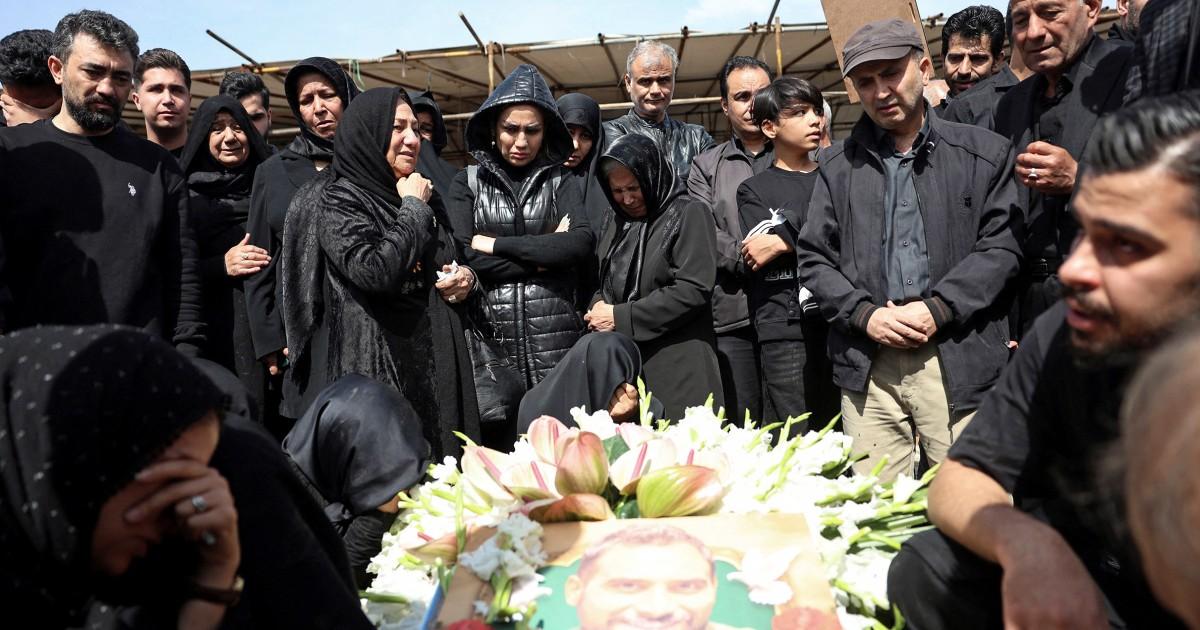
NBC News tallies emphasize the broader human cost: more than 3,000 people killed across the region, with Israeli and American strikes killing more than 1,900 in Iran, over 1,100 in Lebanon, and 18 in Israel, alongside 13 U.S. service members killed.
CNN reiterates hard-line postures and ongoing strike dynamics, including high-velocity exchanges and claims about targets left to hit.
GlobalPost provides a regional sum, noting total deaths exceeding 2,000 across the Middle East and highlighting the Lebanese toll from fighting with Hezbollah.
UNICEF warns of a large-scale displacement crisis and disruption to education in Lebanon, underscoring the humanitarian dimension amid ongoing hostilities.
More on Iran
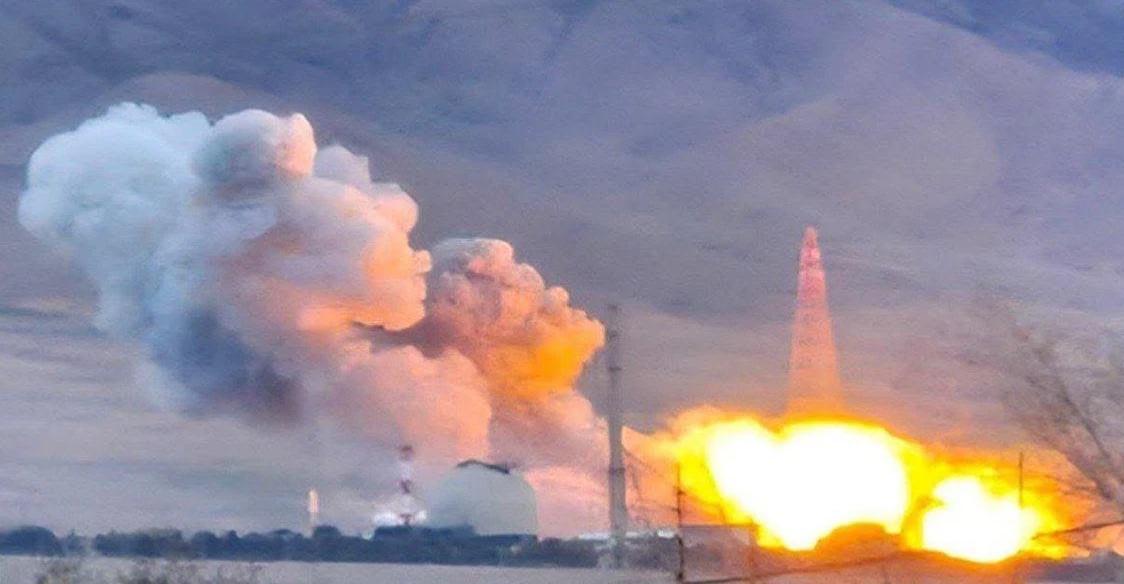
Israel Bombs Iran's Arak Heavy Water Reactor and Ardakan Yellowcake Plant
19 sources compared

Iran Allows 20 Pakistani-Flagged Ships Through Strait Of Hormuz
14 sources compared
Houthis Formally Enter Iran-Israel War By Firing Missiles And Drones At Israel
16 sources compared
Houthis Launch First Missiles At Israel, Joining Iran War And Threatening Red Sea Routes
75 sources compared