Lebanon10 April, 20262 min read
Israel Kills Over 300 in Lebanon as US-Iran Ceasefire Dispute Fuels Violence
This article is an automated aggregation of coverage from news outlets. Our editorials offer in-depth analysis curated by the NewsCord team.
Israeli strikes in Lebanon threaten a fragile US-Iran ceasefire. Pakistan-hosted talks aim to extend the two-week ceasefire amid US-Iran negotiations.
Ceasefire Fragility
Lebanon remained engulfed in turmoil as the two-week US-Iran ceasefire frayed under conflicting interpretations and continued violence. The core dispute centered on whether the ceasefire covered Lebanon and Hezbollah. Iran insisted the deal included Lebanon while the US and Israel said it did not.
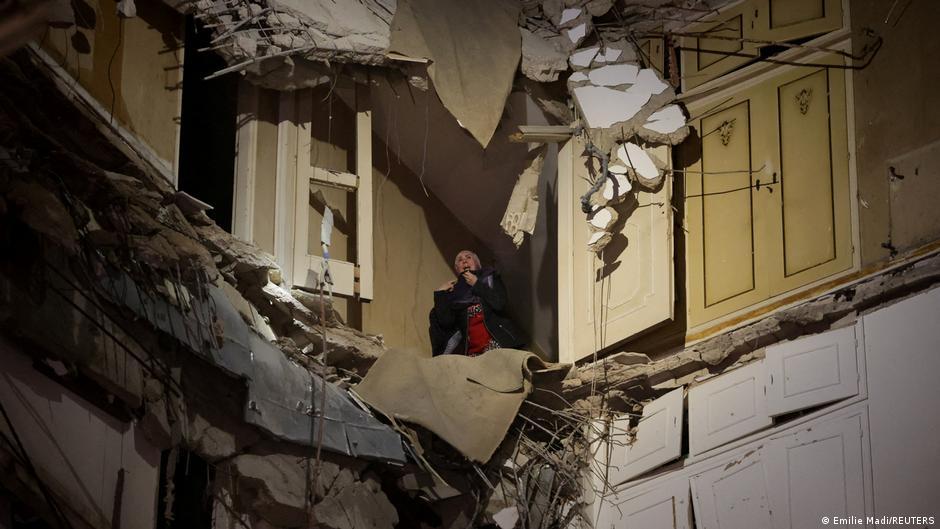
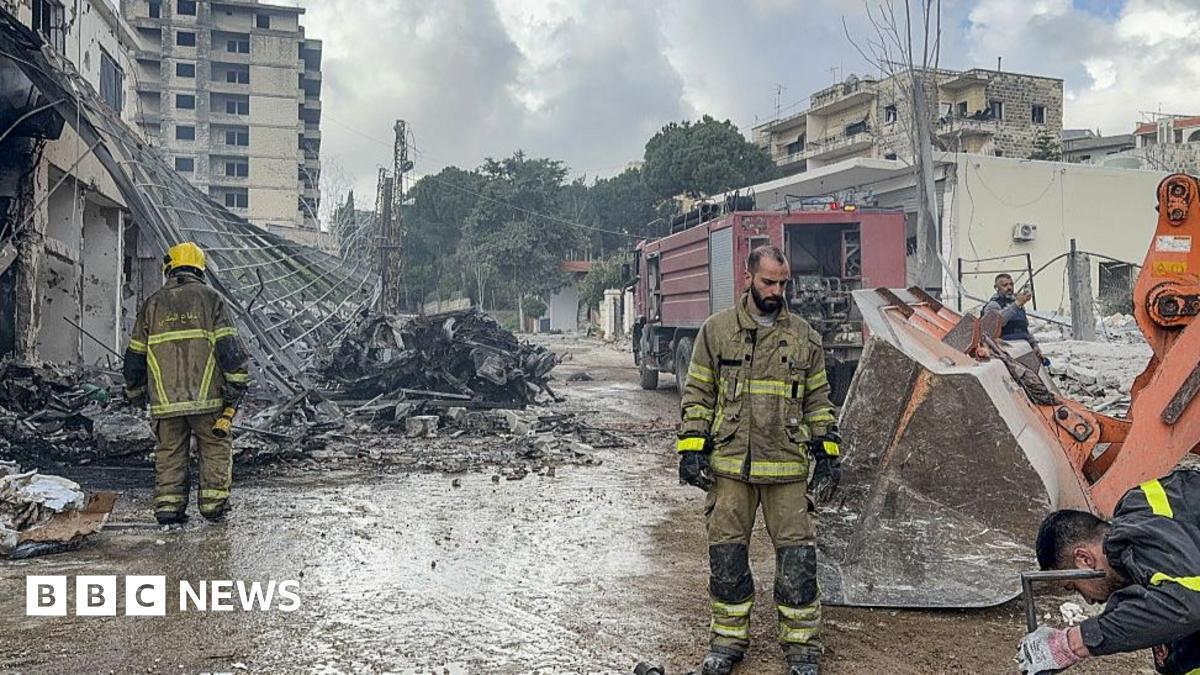
Simultaneous Israeli strikes killed at least 303 people in Lebanon on Wednesday, the deadliest day since the war began. Hezbollah fired rockets at northern Israel in response.
Netanyahu had approved direct talks with Lebanon to disarm Hezbollah, but the Lebanese government had yet to respond. Around 1.2 million Lebanese were displaced and food supplies were running low in southern Lebanon.
Diplomatic Maneuvers
Vice President JD Vance was set to lead the US delegation in Pakistan for talks with Iran. Iranian Parliament Speaker Mohammad Bagher Ghalibaf laid out preconditions that a ceasefire in Lebanon and the release of Iran's blocked assets must be fulfilled before negotiations begin. Trump warned Iran was doing a very poor job of opening the Strait of Hormuz.
Netanyahu had approved direct talks with Lebanon to disarm Hezbollah, but the Lebanese government had yet to respond. A Hezbollah lawmaker said the group rejected any direct talks before a ceasefire. Qalibaf wrote on X that two measures mutually agreed upon have yet to be implemented.
Strait of Hormuz Blockade
The Strait of Hormuz remained a critical pressure point. Iran maintained effective control over the waterway despite the ceasefire. Only a handful of ships have transited the waterway since the agreement.
Iran's military signaled it would maintain control of the passageway. Intertanko marine director said the strait was under the de-facto rule of the Iranian military. The blockade exacerbated global energy market volatility.
Regional Fallout
Kuwait's National Guard reported a drone attack causing significant damage. Saudi Arabia said recent attacks damaged a key pipeline. Iran's paramilitary Revolutionary Guard denied launching attacks on Persian Gulf states.
Amnesty International warned civilians in southern Lebanon were unable to access basic necessities. Israel's assault on Lebanon has killed more than 1,800 people since March 4.