Israel Maintains Southern Lebanon Deployment After Ceasefire With Hezbollah
Key Takeaways
- Israel remains deployed in southern Lebanon after the Hezbollah ceasefire.
- Israel expanded its buffer zone, restricting civilian access in southern Lebanon.
- Hezbollah and Israel have agreed to a ceasefire; withdrawal is not complete.
Deployment Despite Ceasefire
Israel maintained an active and sustained presence in southern Lebanon despite a ten-day ceasefire reached with Hezbollah, with an Israeli operational document showing a deployment line penetrating 5 to 10 kilometers inland and covering an east-to-west band of more than fifty localities.
The Israeli army urged residents not to return for safety reasons, and an Israeli military spokesperson defended the strategy as aimed at "preventing the return of hostile activities in areas where Hezbollah cells are still operating."
Lebanese municipal officials said displaced people should wait because of damage to houses, blockages of infrastructure, and risks from unexploded ordnance of war, and a mayor of the Marjayoun region said, "Conditions are not ripe for a return."
Hezbollah said it reserves the right to resist any foreign military presence on Lebanese territory, while the ceasefire was described as a reduction in intensity rather than a tangible withdrawal, with normalization not achieved and reconstruction not begun.
In Beirut, political sources acknowledged the situation could drag on if no broader agreement is found regarding the presence of the military at the border, while Israel reiterated that withdrawal would only be possible when it is guaranteed Hezbollah has lost its operational capacity in the area.
Iran Ambassador Expelled
Lebanon revoked the accreditation of the Iranian ambassador recently appointed to Beirut and gave him until Sunday to leave the country, with the Lebanese Foreign Affairs Ministry announcing on Tuesday, March 24 that Ambassador Mohammad Reza Raeuf Sheibani was designated persona non grata.
Hezbollah condemned the decision and urged the president of the republic and the prime minister to ask the foreign minister to immediately reverse it, saying it had "dangerous consequences."

Lebanon accused Iran's Revolutionary Guards of directing Hezbollah's operations against Israel, and Prime Minister Nawaf Salam said on Sunday that members of Iran's Revolutionary Guards operating in Lebanon were directing Hezbollah's operations in its war against Israel.
Iran said its ambassador would remain in the country even after being declared persona non grata and ordered to leave, with Foreign Ministry spokesperson Esmaeil Baqaei saying, "will continue his mission in Beirut and remain on the ground."
The dispute was tied to Shibani's statement that any Lebanese attempt to disarm Hezbollah had to be canceled, and Euractiv described the episode as a test for international observers as Lebanon tried to distance itself from Iran and the Islamic Revolutionary Guard Corps.
Ceasefire, Buffer Zone, Stakes
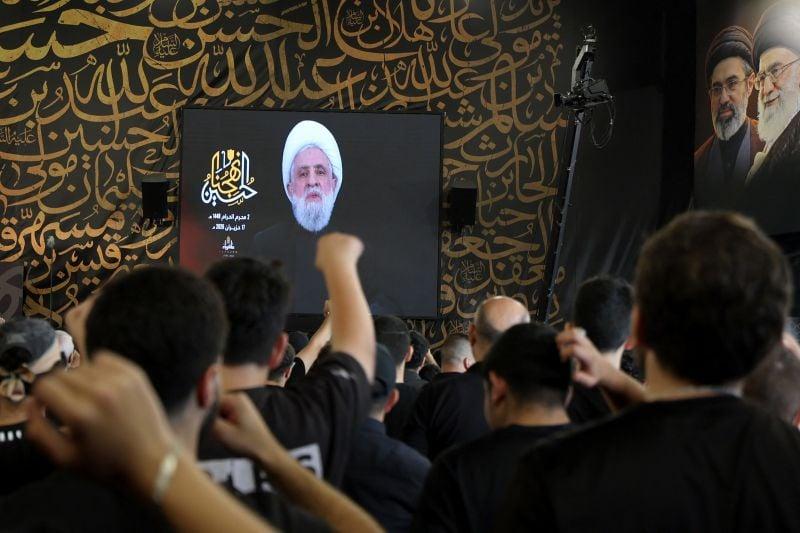
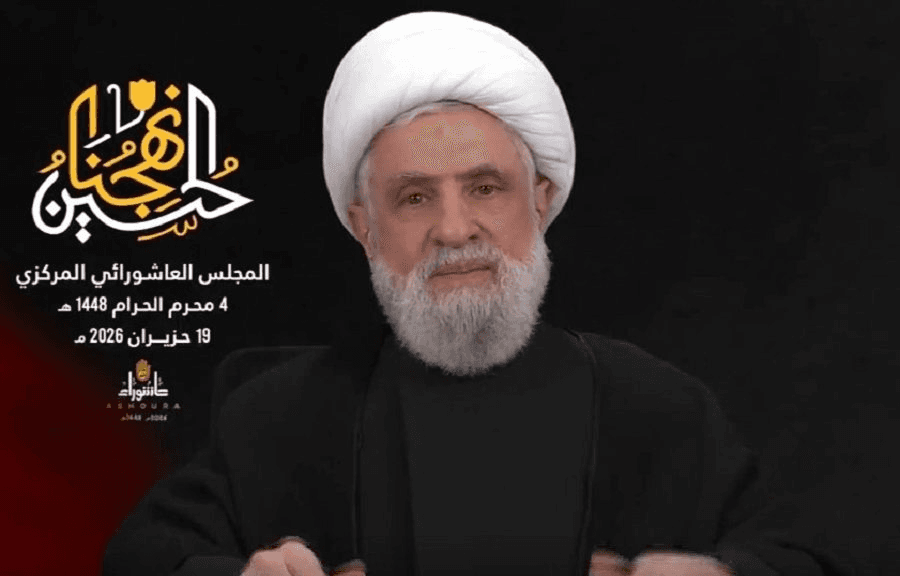
As fighting continued in southern Lebanon, Hezbollah Secretary-General Naim Qassem said the Lebanese Resistance movement was victorious and would never surrender to Israeli or American pressure, telling a Muharram gathering that the group has adopted a "Karbala decision" that remains firmly in place.
Qassem said, "There will be no return to the situation before March 2," and he added that "Expelling the enemy from our land will be achieved," while the same article described Israel as seeking to expel Hezbollah from "every inch" of Lebanese territory.
In parallel, Israel expanded its "buffer zone" in Lebanon to "move away the threat of Hezbollah missiles," and the Israeli army said it had "dismantled Hezbollah command centers" and a weapons depot in southern Lebanon.
Hezbollah leader Naim Qassem said any "negotiation under fire" with Israel was a "capitulation," while Lebanese authorities were calling for talks with the Israeli state as the conflict’s diplomatic and military stakes remained unresolved.
The Times of Israël reported that Hezbollah condemned the expulsion decision and urged Lebanese authorities to immediately reverse it, while Arab News FR said Hezbollah ministers boycotted a Lebanese government meeting to protest the ambassador’s expulsion and that dozens demonstrated in front of the embassy near Beirut.
More on Lebanon
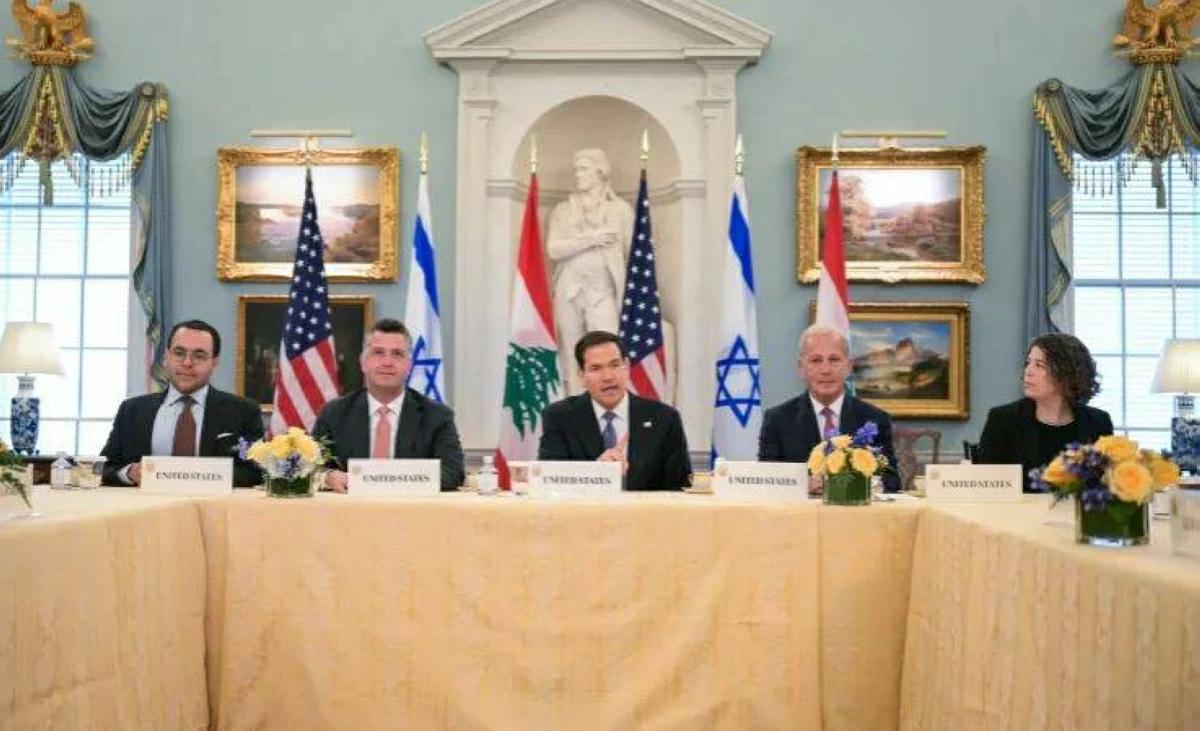
Israel and Hezbollah Agree Ceasefire After Lebanon Airstrikes Killed 47
12 sources compared
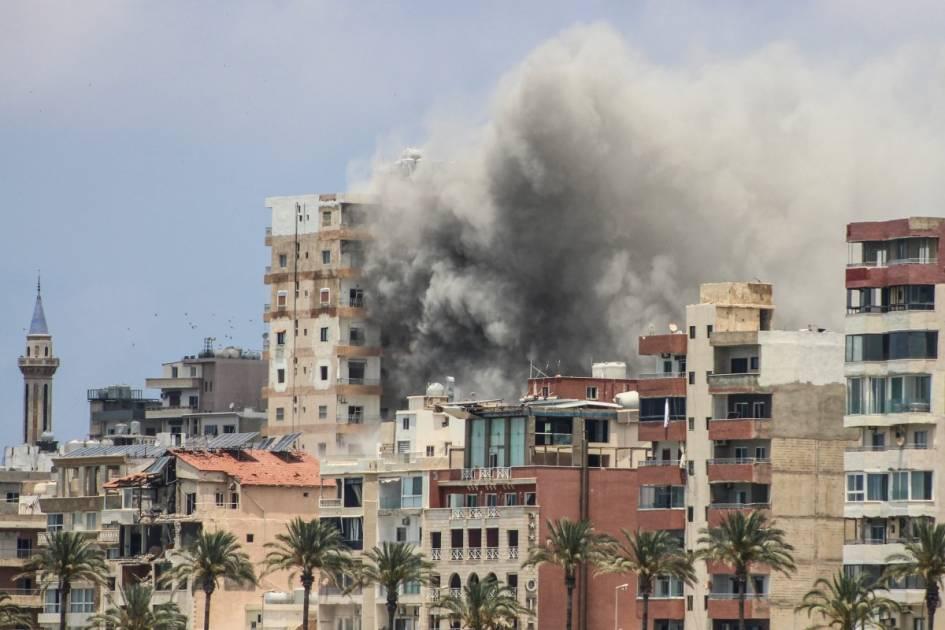
Israel Air Strikes Sejoud In Southern Lebanon Minutes After Ceasefire Announcement, Killing At Least 47
27 sources compared

Israel Continues Attacks On Lebanon After Ceasefire Renewal With Hezbollah
13 sources compared
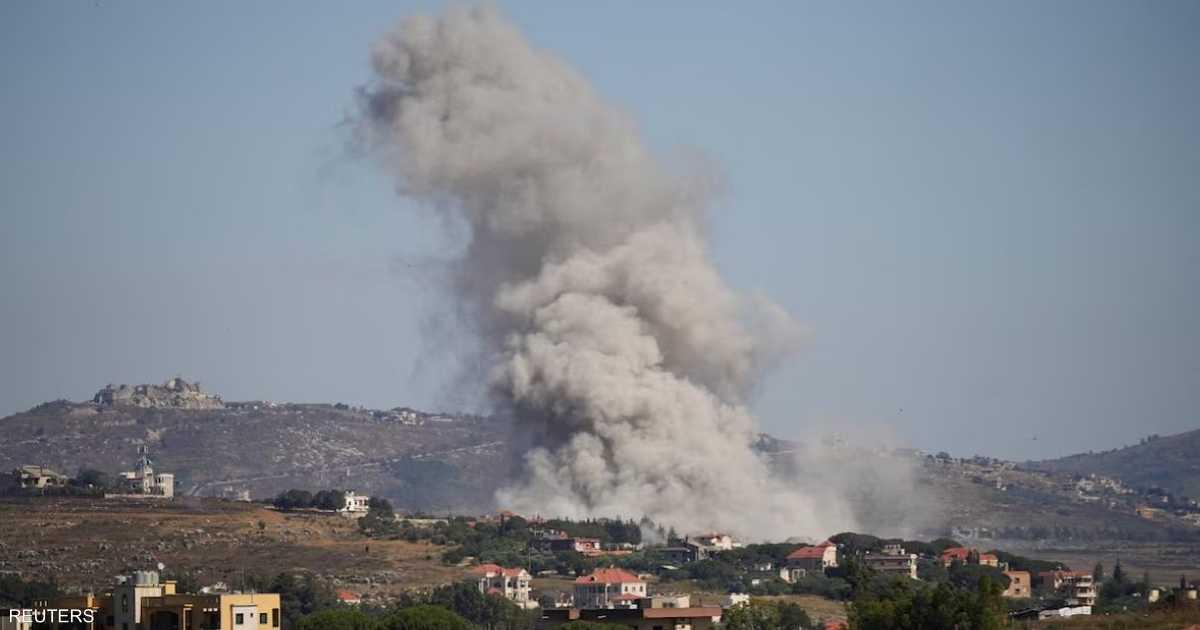
Israeli Airstrikes Kill At Least 47 in Southern Lebanon as Israel and Hezbollah Agree Ceasefire
23 sources compared