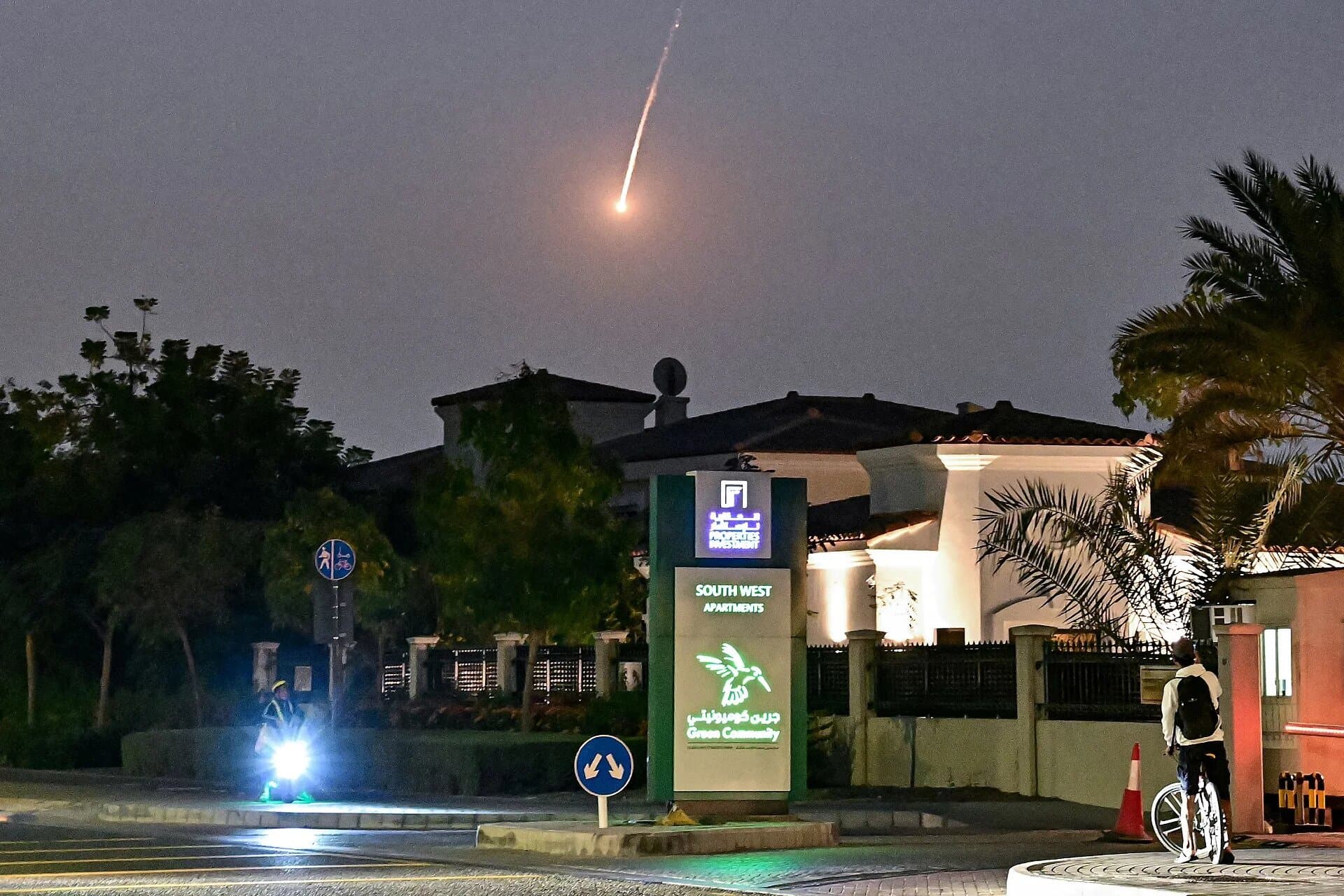
Israel, U.S. and Iran Escalate Conflict, Halting Global Sporting Events
Key Takeaways
- Major international motorsport events in Bahrain, Saudi Arabia, and Qatar were postponed or canceled.
- Escalating Middle East conflict disrupts global sports ambitions and event schedules.
- Cancellations and postponements indicate broader disruption to international sports calendars.
Global Sports Impact
The escalating conflict in the Middle East between the U.S., Israel, and Iran has triggered widespread disruption to global sporting events.
“Middle East Conflict Halts Global Sporting Events The escalating conflict in the Middle East between the U”
This demonstrates how geopolitical tensions can impact international sports infrastructure.

The conflict's reach extends far beyond regional boundaries.
It affects Formula One races, MotoGP events, and tennis tournaments across multiple countries.
Organizers are forced to postpone or cancel major competitions due to security concerns.
Logistical challenges are also contributing to the disruptions.
F1 Race Cancellations
Formula One's prestigious Grand Prix races in Bahrain and Saudi Arabia have been scrapped.
These mark the most high-profile casualties of the conflict's impact on the sports calendar.
The cancellations reflect serious security risks faced by international sporting organizations.
Organizations operating in regions experiencing heightened geopolitical tensions face these challenges.
Formula 1 leadership, headed by CEO Stefano Domenicali, prioritized safety over sporting commitments.
The risks to teams, drivers, and traveling personnel were considered too great to ignore.
Multi-Sport Impact
The sports disruptions extend beyond Formula One to include the MotoGP in Qatar.
“Middle East Conflict Halts Global Sporting Events The escalating conflict in the Middle East between the U”
Tennis tournaments in the UAE are also being affected.
This highlights the comprehensive nature of logistical and security challenges.
International sporting events face these widespread difficulties.
These cancellations represent unprecedented challenges for organizations and athletes.
They disrupt not only competition schedules but also raise serious safety alarms.
The ripple effects are being felt worldwide.
Athletes and teams struggle with altered travel plans and competition calendars.
Future Prospects
Despite current disruptions, some events remain unaffected for now.
The Abu Dhabi Grand Prix is one such example that remains on schedule.
This suggests the impact may be more selective than initially feared.
The Gulf region's sporting ambitions remain intact.
Qatar is preparing to host the 2027 Basketball World Cup.
Qatar is also considering bids for the 2036 Olympic Games.
The long-term outlook depends on geopolitical evolution.
Prolonged conflict could make hosting mega-events increasingly difficult.
Rescheduling Challenges
Formula 1 is actively exploring contingency plans to reschedule cancelled races.
“Middle East Conflict Halts Global Sporting Events The escalating conflict in the Middle East between the U”
The gap between Azerbaijan Grand Prix (26 September) and Singapore Grand Prix (11 October) presents a logistical opportunity.
This period could allow staging at least one postponed event.
However, any rescheduling plan depends entirely on regional stability.
Formula 1 is unlikely to risk sending personnel into volatile environments.
Significant de-escalation in tensions would be required.
The cancellations highlight the fragile nature of the Gulf's sporting rise.
Geopolitical instability can quickly undermine ambitious sporting ventures.
More on Gaza Genocide

Trump Administration Sues Harvard University Over Civil Rights Violations Against Jewish and Israeli Students
50 sources compared
Protesters heckle Australian PM Albanese at Sydney mosque over Israel stance
18 sources compared

Iran Fires Missiles at Israel, Killing Three Palestinian Women and a Foreign Worker
23 sources compared

UEFA Cancels Finalissima as Argentina Rejects Alternatives Amid Middle East War
11 sources compared