
Israel Warns Residents of 11 Southern Lebanon Towns to Evacuate Immediately
Key Takeaways
- Israeli army issued evacuation warnings to residents in 11 towns in southern Lebanon.
- Warnings extend beyond areas currently occupied, widening the evacuation zone.
- Residents must evacuate immediately and move at least 1,000 metres into open areas.
New evacuations, same truce
Israel’s military issued new evacuation warnings to residents in southern Lebanon, extending beyond areas currently under Israeli troop deployment, despite an existing truce aimed at halting hostilities with Hezbollah.
In a statement posted on X, the Israeli military’s Arabic-language spokesman Avichay Adraee urged civilians to “For your safety, you must evacuate your homes immediately and move away from the villages and towns by at least 1,000 meters into open areas,” according to Kurdistan24 as cited by the Egyptian Gazette.

Al Jazeera reported the same instruction, saying Adraee posted on X that residents must evacuate and move “by at least 1,000 metres [0.6 miles] into open areas.”
The warnings covered more than 10 villages and towns, including the city of Nabatieh, which lies north of the Litani River, according to the Egyptian Gazette and Al Jazeera.
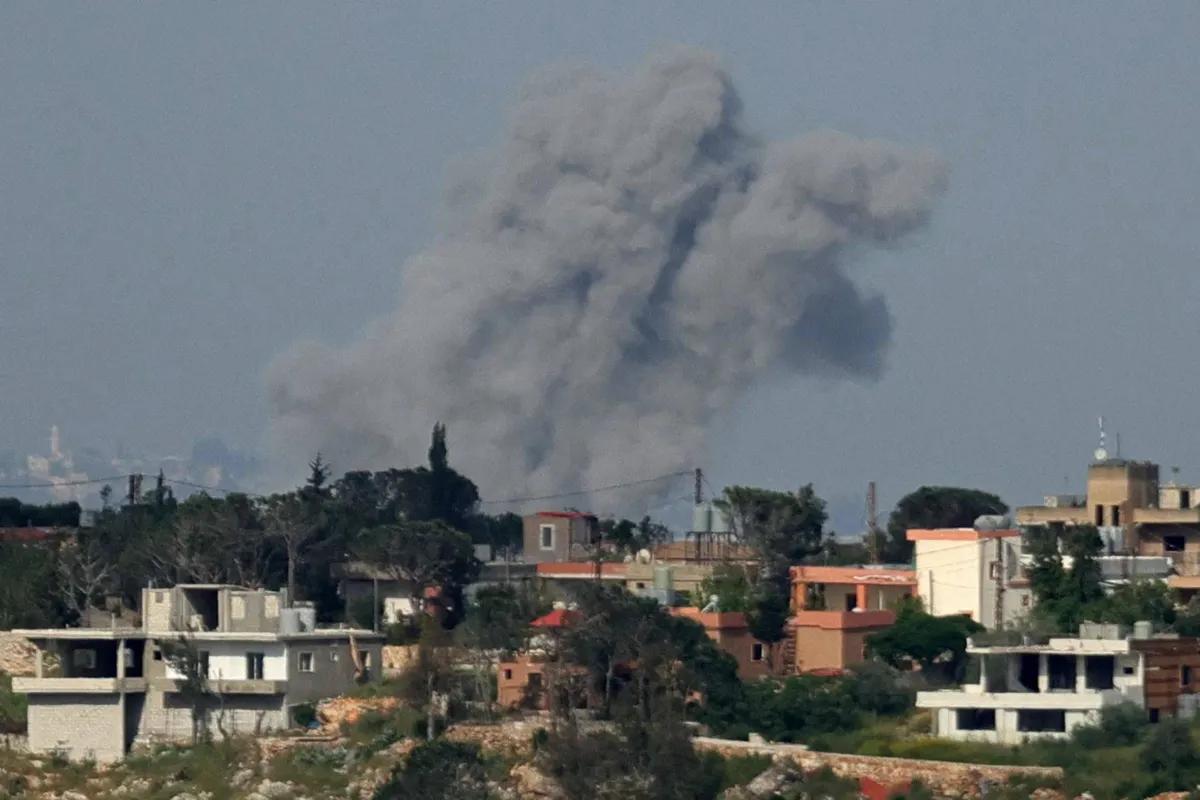
Al Jazeera added that Lebanon’s state-run National News Agency later reported a series of Israeli strikes across southern Lebanon, including on towns not mentioned in the displacement order.
The Egyptian Gazette framed the move as evidence of ongoing instability in southern Lebanon, where sporadic violence has persisted despite a ceasefire in place since mid-April.
In parallel, the Al Jazeera report said that since April 17 a fragile United States-brokered ceasefire has been in place between Israel and Lebanon, aimed at halting violence between Hezbollah and Israel’s military.
Drone attacks and threats
The evacuation warnings arrived alongside Israeli statements about ongoing attacks and threats against Hezbollah, including language about striking beyond established control lines.
Al Jazeera reported that on Wednesday Israel’s military chief of staff, Eyal Zamir, had threatened to strike Hezbollah “beyond the Yellow Line”, which marks the area of Israeli control, adding that “Any threat, anywhere, against our communities or our forces – including beyond the Yellow Line and north of the Litani – will be eliminated,” he said during a visit to Israeli troops.

The Egyptian Gazette similarly described the renewed warnings coming as Israeli forces face mounting challenges from Hezbollah’s use of low-cost fiber-optic drones, and it said Israeli military statements reported “at least two soldiers and one civilian contractor have been killed in explosive drone attacks in under a week, with several others wounded.”
Asharq Al-Awsat also tied the Sunday strikes to the evacuation warnings, saying Israel carried out heavy airstrikes in south Lebanon on Sunday after issuing new evacuation warnings for villages beyond the area it occupies, despite a truce with Lebanon intended to halt fighting with Hezbollah.
Asharq Al-Awsat quoted Adraee’s X post again, instructing residents to “For your safety, you must evacuate your homes immediately and move away from the villages and towns by at least 1,000 meters into open areas,” and it said the warning covered more than 10 villages and towns including several in the district of Nabatieh north of the Litani River.
It also reported that the Israeli military said Sunday it was conducting operations against Hezbollah following what it described as a violation of their April 17 ceasefire agreement, warning that anyone near Hezbollah fighters or facilities could be at risk.
Arab News PK added that Israel’s military said it struck Hezbollah targets and that “approximately 70 military structures and approximately 50 Hezbollah infrastructure sites were dismantled across several areas” on Saturday.
Named towns and legal debate
Several outlets published lists of specific towns and villages included in the latest evacuation alerts, while others focused on the legal and humanitarian implications of ordering civilians to leave.
In a report carried by شبكة دال, the Israeli army warned residents of 11 towns and villages and named Al-Dweir, Arabsalim, Ash-Sharqiyah (Nabatieh), Jebsheet, Barashit, Srifa, Dunin, Breik, Qaqqa'iya al-Jisr, Al-Qasiba (Nabatieh), and Kfar Sir, describing the warning as urging evacuation and movement “at least 1,000 meters to open areas.”
صوْت الإمارات similarly said the Israeli army issued an urgent alert to residents of 11 towns and villages and listed Deir, Arabsalim, Al-Sharqiyeh (Nabatieh), Jebshit, Bar’ashit, Sarifa, Douonin, Bireq’e, Qaqqa’iya al-Jisr, Al-Qasiba (Nabatieh), and Kfar Sire, urging civilians to leave and avoid returning until further notice.
The same outlet said the Israeli army spokesperson stressed that the moves come as part of focused military operations against Hezbollah and justified them by what it described as a “blatant violation of the ceasefire agreement by the group.”
Human Rights Watch, however, argued that the Israeli army’s orders for the immediate evacuation of the entire population of Lebanon living south of the Litani River are “highly likely to violate the laws of war,” and it said the area accounts for about 8% of Lebanon’s territory.
Human Rights Watch quoted a March 4, 2026 social media message by the Arabic-speaking spokesperson for the Israeli army calling residents to “immediately evacuate their homes to reach the north bank of the Litani” to “guarantee their safety.”
The rights group also quoted Ramzi Kaiss saying, “How will the elderly, sick or disabled people be able to evacuate immediately? And how will their safety be ensured during their departure?”
Hezbollah rejects talks
While Israel issued evacuation orders and conducted strikes it linked to ceasefire violations, Hezbollah leaders rejected the premise of direct negotiations and framed them as harmful to Lebanon.
An AFP report carried by مونت كارلو الدولية quoted Hezbollah lawmaker Hasan Fadlallah saying, “These negotiations, with all their outcomes, do not concern us, we will not implement them, and we will not allow them to pass.”

Fadlallah told a ceremony honoring Hezbollah fighters killed in the war that “We have a living, free people and a steadfast resistance capable of derailing all the objectives of these negotiations, which deepen the country’s divisions among our people and within the state itself.”
The same AFP report said Hezbollah entered the Middle East war on March 2 when it fired rockets at Israel “in retaliation” for the assassination of Iran’s Supreme Leader Ayatollah Ali Khamenei and in response to Israeli bombardment operations that continued during a prior ceasefire.
It also said Israeli attacks on Lebanon since then have left more than 2,600 dead and displaced about a million people.
The AFP report added that two ambassadors of Lebanon and Israel in the United States held meetings in Washington in recent weeks, and it said the first meeting led to a ceasefire agreement and paved the way for direct negotiations under pressure from the United States.
It stated that Hezbollah strongly rejected direct talks, and it quoted Hezbollah secretary-general Naim Qassem describing them as a “sin.”
Casualties and what comes next
The sources also tie the evacuation warnings and strikes to a widening toll across Lebanon and to uncertainty about what happens after the latest operational decisions.
“JERUSALEM: Israel’s military on Sunday issued new evacuation warnings in southern Lebanon for villages beyond the area it occupies, despite a truce with Lebanon intended to halt the fighting with Iran-backed Hezbollah”
Al Jazeera reported that Lebanon’s Ministry of Public Health said at least 10 people were killed in Israeli attacks across the country on Saturday, and it gave a broader cumulative figure, saying the total death toll since the Israel-Hezbollah war escalated on March 2 is 2,659, with 8,183 injured.
The same Al Jazeera report said the US called for direct peace negotiations between Lebanon and Israel, but Lebanese President Joseph Aoun said on Wednesday that Israel should fully implement the ceasefire before the talks can take place.
i24NEWS reported that Israel’s Security Cabinet was set to convene on Sunday evening to discuss the situation and review operational policy, but that the meeting was cancelled Sunday morning, with cabinet ministers expected to present positions on whether to maintain current restrictions or consider broader military action against Hezbollah targets beyond southern Lebanon.
i24NEWS also said Israeli officials described the IDF as operating within a “forward defense zone,” limited to areas up to the “Yellow Line,” in accordance with understandings reached with Washington, and it said internal scrutiny has followed as violations continue.
Arab News PK said the attacks have become a regular occurrence despite the April 17 ceasefire, and it reported that the ceasefire text grants Israel the right to act against “planned, imminent or ongoing attacks.”
Human Rights Watch warned that the evacuation calls raise legal and humanitarian concerns, quoting Ramzi Kaiss and arguing that the call for a general evacuation “does not appear to have taken into account the needs of people unable to move without assistance.”
More on Lebanon
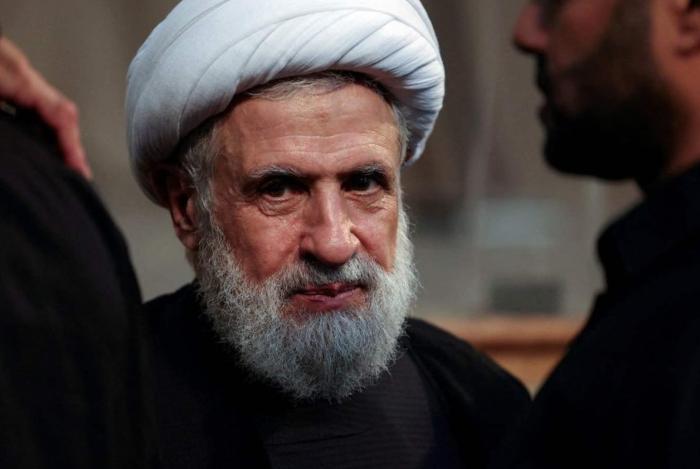
Hezbollah Secretary-General Naim Qassem Says No Ceasefire in Lebanon, Cites Israeli-American Aggression
15 sources compared

Hezbollah Vows to Thwart Lebanon-Israel Talks as Rockets and Drones Hit Israeli Troops
15 sources compared
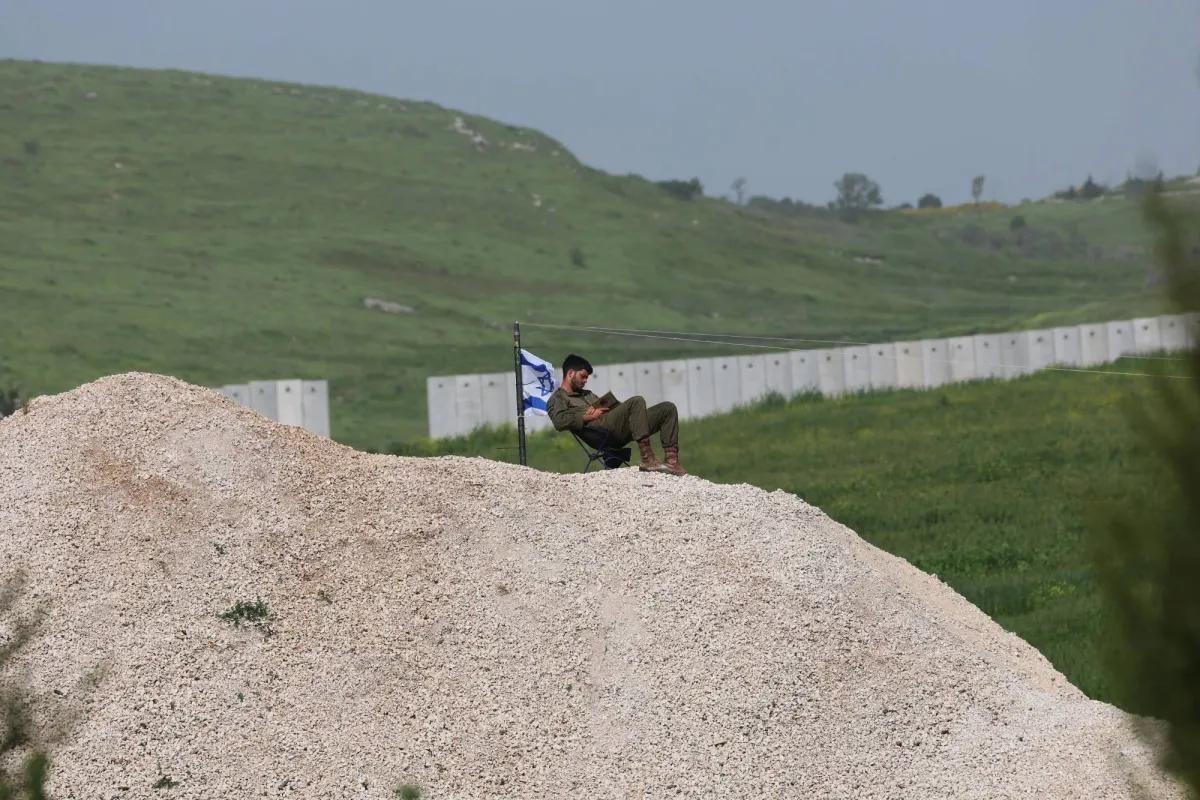
Israel Applies the Gaza Model in Southern Lebanon, Razes Towns and Villages Near Bint Jbeil
17 sources compared
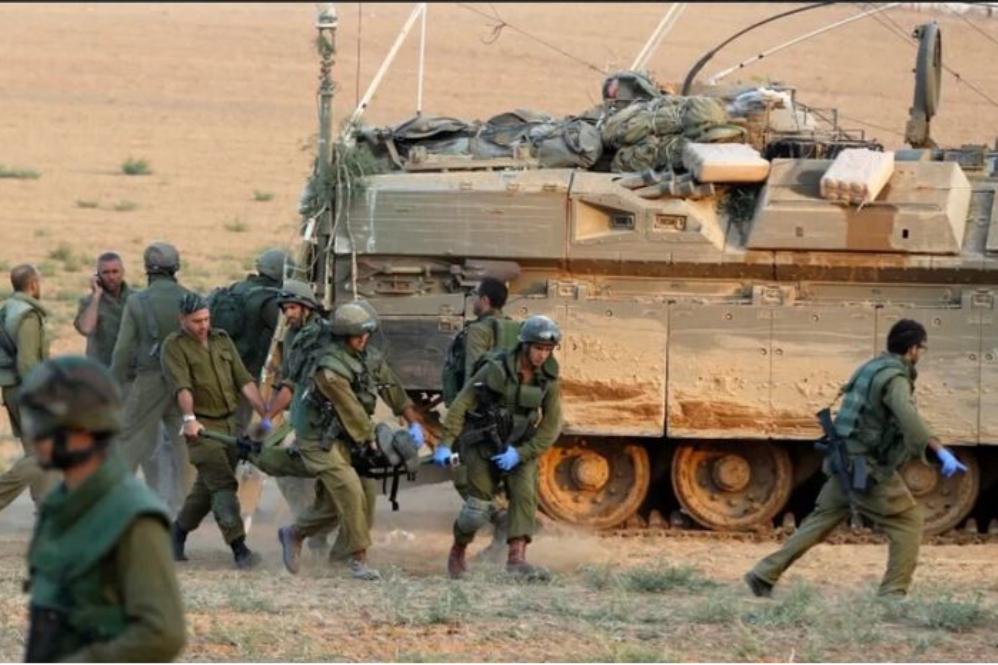
Israeli Airstrikes Kill At Least 5 Civilians, Wound Others in Qana and Tyre
28 sources compared