
Israeli Airstrikes Across Lebanon Kill At Least 47, Wound 97, Ceasefire Agreed
Key Takeaways
- Lebanese health authorities report 47 killed and 97 wounded from Israeli airstrikes since midnight.
- Israel and Hezbollah agreed to a ceasefire on Friday.
- Strikes hit 11 towns overnight across southern and eastern Lebanon.
Strikes, toll, and ceasefire
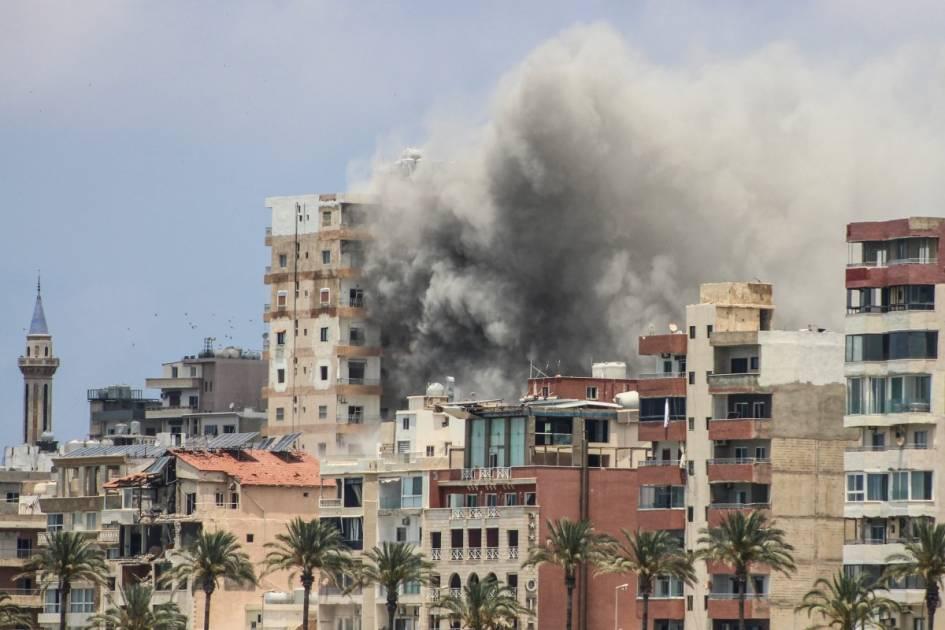
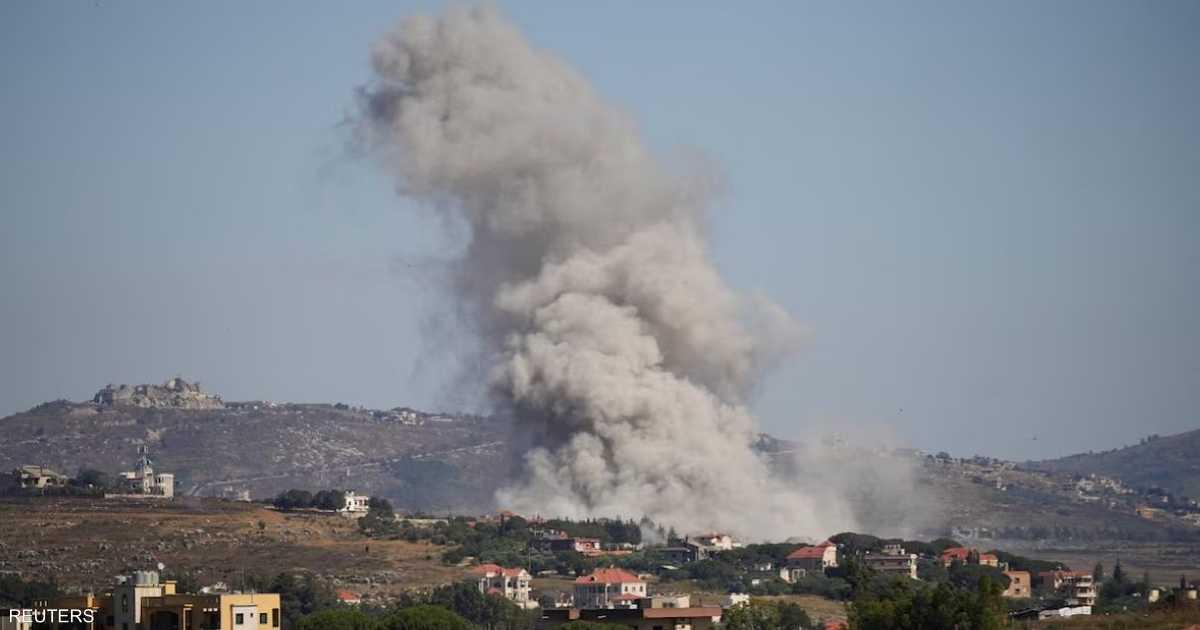
Israeli airstrikes across Lebanon killed at least 47 people and wounded 97 others from midnight until Friday afternoon, according to an updated toll released by Lebanon’s Public Health Emergency Operations Center.
“The Israeli military has killed at least 47 people as it launched air strikes amid “intense fighting” in southern Lebanon, according to the Lebanese health ministry”
The strikes hit multiple areas in southern and eastern Lebanon, including the districts of Nabatieh, Tyre, Bint Jbeil, Jezzine, and Baalbek, with among the dead victims of an airstrike on Ain Bourday and another on a farm in the town of Jamaliyeh, both in the Baalbek district.

As the toll was updated, Israel and Hezbollah agreed to a ceasefire on Friday, June 19, after deadly exchanges between the two sides in Lebanon put a deal to end the Middle East war under strain, less than two days after it was signed.
Lebanese authorities reported 47 people were killed in Israeli airstrikes, while Israel announced the deaths of four of its soldiers, the highest combined casualty count since the US and Iran struck their deal.
A US official told Reuters that the ceasefire was worked out by negotiators for the US and Qataris with help from Iran, with the ceasefire beginning at 4 p.m. local time on Friday.
Voices, blame, and threats
Lebanon’s President Joseph Aoun condemned what the Lebanese presidency called the "expansion of Israeli attacks" in the South and the Bekaa Valley, saying it "constitutes a dangerous and condemned escalation" that affected dozens of innocents, including women and children.
Aoun also insisted that the attacks would not deter efforts to reach a comprehensive ceasefire as quickly as possible, and he said there would be "no leniency" because a comprehensive ceasefire is the gateway to addressing other issues including "the Israeli withdrawal, the deployment of the army, and the return of the prisoners."

On the Israeli side, far-right National Security Minister Itamar Ben Gvir said after the soldiers’ deaths that "all of Lebanon must burn," while Netanyahu said he instructed the military to strike Hezbollah "with full force" and that Israel would "exact a very heavy price" for attacks on its soldiers or territory.
Israel’s ambassador to the United States, Yechiel Leiter, insisted in a social media post that Israel was committed to an immediate ceasefire in Lebanon, but only "if Hezbollah honors the agreement and ceases its hostilities."
Iran’s Foreign Ministry spokesman Esmaeil Baghaei strongly condemned Israel’s continued attacks against Lebanon and stressed that ending the war in Lebanon has been explicitly considered an “integral” part of the U.S.-Iran MoU, adding the United States is directly responsible for the present circumstances in Lebanon.
What comes next, and what’s at risk
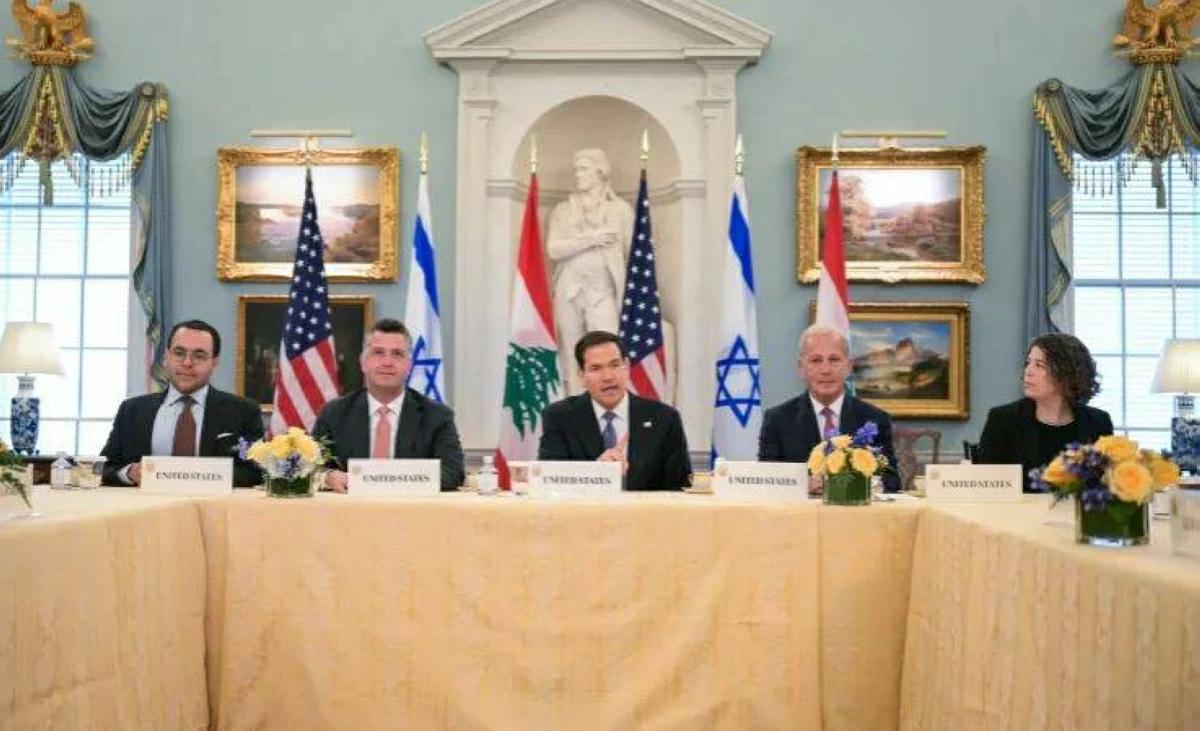
Talks scheduled to take place between the US and Iran in Switzerland to build on the deal and work towards a lasting settlement were postponed, with no new date announced, while US Secretary of State Marco Rubio and Lebanon's President Joseph Aoun held a call.
Rubio, according to the US State Department, insisted on the importance of Lebanon carrying through on its efforts to disarm Hezbollah, which is fighting Israel in the south of the country, and the spokesman said the next round of negotiations was scheduled for June 23 to 25 in Washington.
The Lebanese presidency said Aoun thanked Rubio for US support but stressed "the need for Israeli attacks on Lebanese territory to cease through the achievement of a comprehensive ceasefire," linking the ceasefire to broader steps like Israeli withdrawal and the deployment of the army.
Lebanon’s Health Ministry figures and the Emergency Health Operations Center’s updated toll were part of the immediate stakes, with the strikes described as continuing despite the ceasefire agreement and with Lebanese state media reporting an Israeli airstrike in the Jezzine region even after the truce was announced.
The ceasefire’s fragility also threatened the wider US-Iran interim deal, which aimed to end a war that began on February 28 and was meant to halt fighting in Lebanon, with the agreement’s immediate re-opening of the Strait of Hormuz described as a key aspect of the deal.
More on Lebanon
Israel and Hezbollah Agree Ceasefire After Lebanon Airstrikes Killed 47
12 sources compared
Israel Air Strikes Sejoud In Southern Lebanon Minutes After Ceasefire Announcement, Killing At Least 47
27 sources compared

Israel Continues Attacks On Lebanon After Ceasefire Renewal With Hezbollah
13 sources compared
Israeli Airstrikes Kill At Least 47 in Southern Lebanon as Israel and Hezbollah Agree Ceasefire
23 sources compared