Israeli Airstrikes Kill 41 People Across Southern Lebanon After April 17 Ceasefire Collapse
Key Takeaways
- Casualties reported in southern Lebanon range from 20 to 41 in 24 hours.
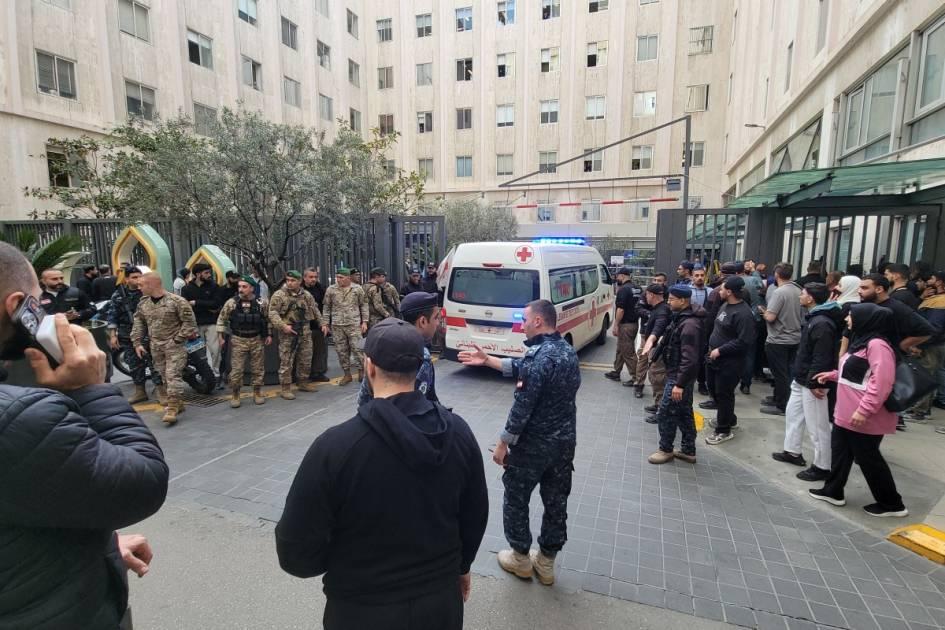
- Hospitals overwhelmed; health system in crisis due to continued Israeli strikes.
- Ceasefire collapsed; Israel continues bombardment of southern Lebanon.
Ceasefire shattered
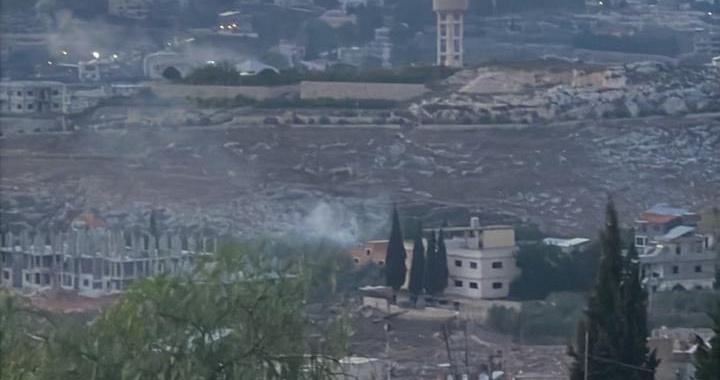
Israeli airstrikes and drones continued to pound towns and villages across southern Lebanon even after a ceasefire was brokered in Washington and came into effect on April 17, with international observers describing the truce as collapsed.
MarketForces Africa said Lebanese health authorities confirmed that Israeli attacks over a single 24-hour period pushed the daily death toll to 41 people, bringing the overall number of lives lost since the conflict reignited on March 2 to more than 2,650, with over 8,000 others wounded.

The same report said the victims included men, women, and children pulled from homes, cars, and village streets, and it listed strikes hitting Shoukine, Kfar Dajjal, Lwaizeh, and Nabatieh, with warplanes also targeting Tyre and surrounding areas.
It added that Israel’s military said its aircraft carried out approximately 50 airstrikes in a single day, directed at Hezbollah fighters and infrastructure, while casualty figures “tell a different story” with many killed described as ordinary civilians.
The National News Agency and Lebanese Health Ministry figures were echoed in multiple outlets, including the report that “at least four people were killed and 10 injured” after intense Israeli air strikes across southern Lebanon, with residential areas in Nabatieh heavily damaged.
France 24 reported that the Lebanese Health Ministry said on Sunday that “one person was killed and at least four medics were wounded” in Israeli airstrikes on southern Lebanon, while the Israeli army issued urgent evacuation warnings for eleven towns.
Across the coverage, the ceasefire’s timeline is repeatedly tied to April 17 and its later extension, with MarketForces Africa saying it was initially set for ten days and then extended by three weeks, pushing its expiry to mid-May, and with other outlets describing a later extension by three weeks until May 17.
Who says what
The dispute over whether the ceasefire applies to Lebanon runs through the reporting, with Israeli leaders insisting it does not bind their operations against Hezbollah.
MarketForces Africa said Israeli Prime Minister Benjamin Netanyahu stated plainly at a news conference that Israel would carry on striking Lebanon because, in his view, the ceasefire between the United States and Iran does not bind Israel in its fight against Hezbollah, and it quoted Defence Minister Israel Katz saying Israel was determined to reshape the situation in Lebanon independently of whatever deal was struck between Washington and Tehran.

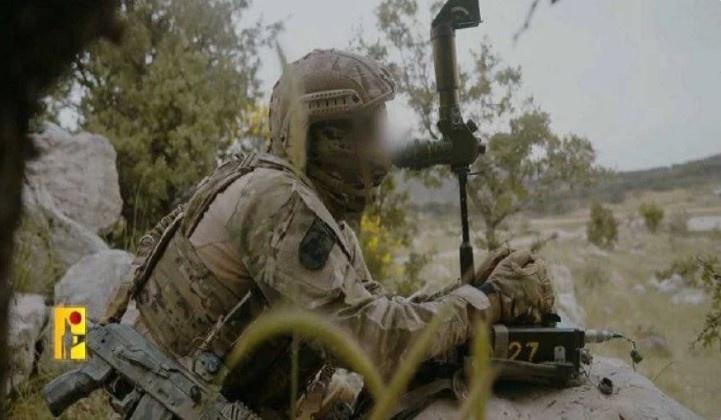
The same outlet described Hezbollah’s position as continuing to launch drones and rockets at Israeli positions inside Lebanese territory, including attacks on troops in Bint Jbeil and a drone strike that injured a dozen Israeli soldiers in northern Israel.
MarketForces Africa said a Hezbollah lawmaker warned that the Israeli strikes represented a grave violation of the agreement and that the entire deal could collapse as a result.
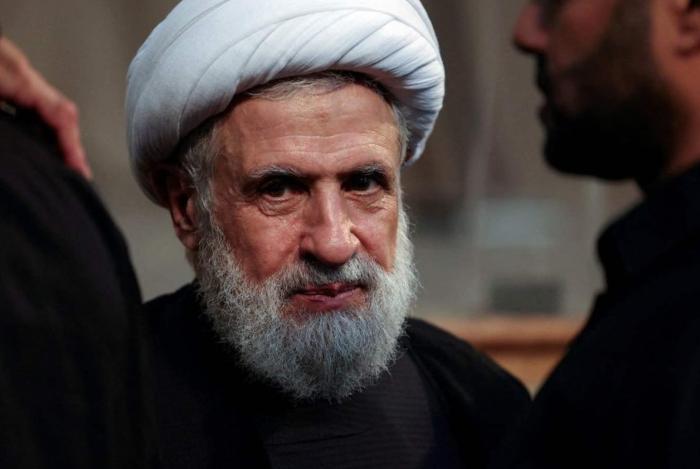
In Lebanon, Hezbollah’s rejection of direct talks is also quoted by France 24, which reported that Hezbollah’s secretary-general Naim Qassem said, “they are a sin,” and it added that Hezbollah MP Hassan Fadlallah said, “These negotiations, with all their outcomes, do not concern us; we will not implement them, and we will not allow them to pass.”
The Lebanese Health Ministry and Israeli army statements are presented as competing narratives of targeting and responsibility, with The National quoting the Israeli army as saying, “We executed a series of air strikes in southern Lebanon targeting Hezbollah military infrastructure,” while also noting the Israeli army did not provide precise locations or timings.
Meanwhile, the ceasefire’s diplomatic framing is contested by mediators and governments, with MarketForces Africa saying Pakistani Prime Minister Shehbaz Sharif had stated the agreement also covered Lebanon, while Le Monde reported that Netanyahu emphasized the truce did not apply at all to Lebanon, contradicting Sharif’s claim that it applied “everywhere, including Lebanon and elsewhere.”
Evacuation warnings
As Israeli operations continued, the Israeli army issued evacuation warnings that extended beyond the areas it described as within a security zone, and the warnings were accompanied by reports of strikes and damage in named villages.
France 24 said the Israeli army issued an urgent evacuation warning for eleven towns, some north of the Litani River, with the Arabic-language spokesman Avichay Adraee posting a statement on X addressed to residents of eleven towns and villages, writing: “For your safety, you must evacuate your homes immediately and move away from the towns and villages for a distance of at least 1,000 meters to open ground.”
The same outlet said the ceasefire took effect on 17 April and that Israel continued operations despite it, while AFP reporters observed heavy traffic moving north as residents displaced from areas under warnings.
The National also described a forced displacement order for nine towns in southern Lebanon, asking inhabitants to “stay away from the villages and towns for a distance of no less than 1000 metres to open areas.”
In addition to the warnings, the reporting tied the evacuation language to the “Yellow Line” concept, with Jريدة الرياض saying Israel announced the establishment of a “yellow line” separating areas where its troops are deployed from other areas and warning residents not to return to dozens of villages within the “yellow line” extending 10 kilometers inland along the border.
Jريدة الرياض quoted the Israeli army warning that the “yellow line” extended “10 kilometers inland along the border from the Mediterranean Sea west to Lebanon’s eastern mountain range near Syria,” and it also said Israel issued a new warning to residents not to return to dozens of villages lying within it.
Meanwhile, the Lebanese Health Ministry and Israeli army statements were paired in France 24’s account of attacks on medical facilities, where it said the ministry renewed its condemnation of repeated attacks and referenced “Article 19 of the Geneva Convention,” while also reporting that an airstrike on Srifa in the Tyre District left five people injured, including four medics from Hezbollah’s Health Authority.
Numbers diverge
Different outlets and tallies present different death counts and different descriptions of how many people were killed in specific periods, even while they cite Lebanese Health Ministry or other figures.
MarketForces Africa said the daily death toll reached 41 people over a single 24-hour period and that the overall number of lives lost since March 2 was “more than 2,650,” with “over 8,000 others wounded,” while the same report also said Israel carried out approximately 50 airstrikes in a single day.
The National reported that “at least four people were killed and 10 injured” after intense strikes across southern Lebanon, and it also described “At least 10 people have been killed and 10 injured” in a barrage on Saturday morning, while adding that the number of casualties is unknown in another series.
Jريدة الرياض said four people were killed on Saturday in two Israeli airstrikes and that this “raises the death toll to 10 in Israeli airstrikes across south Lebanon since Friday,” while also citing the Health Ministry statement that “two Israeli airstrikes on a truck and a motorcycle in the town of Yahmor al-Shqif in the Nabatieh District led to the deaths of four citizens.”
TRT Français reported a different 24-hour figure, saying Israel “has killed at least 29 people, including four members of the same family, and wounded 42 others,” and it specified that the Lebanese national news agency reported four killed and nine wounded in Jibchit, four killed and eleven wounded in Toul, and additional deaths in Harouf.
France 24 provided yet another set of Sunday figures, saying the Lebanese Health Ministry announced “at least one person was killed and four medics were injured,” and it also reported an airstrike on Arab Salim in the Nabatieh District resulted in “a martyr and three wounded, including a child,” while another strike on Srifa left five injured including four medics.
The Saudi outlet صحيفة الخليج said the Lebanese Health Ministry reported that Israeli airstrikes on Sunday killed 14 people, calling it “the deadliest day since the ceasefire was announced,” and it added that 37 others were wounded.
What comes next
The reporting repeatedly ties the immediate humanitarian and military situation to the fragility of the ceasefire and to future escalation risks, including warnings from Iran and Hezbollah and continued Israeli operational changes.
MarketForces Africa said the Iranian Revolutionary Guard Corps issued a warning that it would respond if Israeli attacks on Lebanon did not stop immediately, and it quoted an Iranian parliament speaker saying continued violations had made the ceasefire and ongoing negotiations with the United States completely unreasonable.

It also said Hezbollah continued launching drones and rockets at Israeli positions inside Lebanese territory, while three Israeli soldiers were also reported killed in recent days.
On the Lebanese side, the same report said a Hezbollah lawmaker warned that the Israeli strikes represented a grave violation of the agreement and that the entire deal could collapse as a result.
The National described Israeli operational steps including strikes on Hezbollah-linked sites and a forced displacement order for nine towns, while also reporting that local media reported alleged use of white phosphorus around Seriane and Taybeh in Marjayoun.
France 24 added that the Israeli army chief of staff Eyal Zamir warned during a visit to troops that any threat anywhere against “our communities or forces, including beyond the Yellow Line and north of the Litani” will be eliminated, and it also reported that Hezbollah MP Hassan Fadlallah said negotiations do not concern Hezbollah and that Hezbollah will not implement them.
Jريدة الرياض described the ceasefire extension as prompting some displaced Lebanese to return to the south, but it said for many the return is not reassuring and is marked by destruction, uncertainty and sadness, while also stating that Israel continues air and artillery strikes and extensive demolitions in many towns.
More on Lebanon
Israeli Forces Clash With Hezbollah in Southern Lebanon, Wounding Two IDF Soldiers
10 sources compared
Hezbollah Secretary-General Naim Qassem Says No Ceasefire in Lebanon, Cites Israeli-American Aggression
15 sources compared
Hezbollah Vows to Thwart Lebanon-Israel Talks as Rockets and Drones Hit Israeli Troops
15 sources compared
Israel Applies the Gaza Model in Southern Lebanon, Razes Towns and Villages Near Bint Jbeil
17 sources compared