
Israeli Authorities Evict 15 Families From Batn Al-Hawa, Order Immediate Demolition of Seven Qalandiya Homes
Key Takeaways
- 15 families displaced from Batn al-Hawa in Silwan, East Jerusalem
- Israeli forces seized two Silwan apartments, displacing residents for settlers
- WAFA and UN OCHA report international calls to stop forced evictions
New displacement and demolition escalation
A new escalation in East Jerusalem signals a coordinated push to reshape the city’s demographics: Israeli authorities displaced 15 families from Batn al-Hawa in Silwan and issued immediate, non-appealable demolition orders for seven homes in Qalandiya, a move that aligns with broader settler-expansion aims around Al-Aqsa and the old airport corridor.
“Dozens of Palestinians in the north of the occupied city of Jerusalem are being threatened with eviction following an Israeli decision to implement demolition orders issued against seven residential buildings in the village of Qalandia”
Dozens of Batn al-Hawa residents were displaced in a single week, part of a pattern that rights groups say is aimed at altering Jerusalem’s demographic balance.

Palestinian officials describe the developments as a deliberate Judaization plan designed to reinforce settler presence in and around East Jerusalem.
The episodes come amid a wider string of seizures and evictions, with reports that more than 80 Batn al-Hawa apartments have already been seized or targeted for eviction, underscoring a systemic push rather than isolated incidents.
Humanitarian observers warn that these actions intensify displacement pressures on hundreds of families across East Jerusalem and the West Bank.
Qalandiya demolition specifics
Seven demolition orders in Qalandiya lay out a precise, time-bound pressure campaign: homes built before 1967 in the eastern edge of Qalandiya are being targeted for demolition on the grounds of permit violations, with residents given a 21-day deadline to vacate.
The notices rest on a court order the municipality says has been in effect since December 12, 2021.

Observers note that the area is slated to fall within zones connected to a waste incineration and recycling project and to the broader Atarot settlement expansion, which would include up to 9,000 new housing units on lands near the old Jerusalem airport.
Palestinian communities and rights groups frame the move as part of a longer-running strategy to Judaize East Jerusalem and consolidate settler control around Al-Aqsa.
Locals have long contended the demolition drive is an instrument of ongoing land confiscations connected to the Atarot industrial area.
Settlement expansion and waste project
The broader plan ties demolition and evictions to a large-scale settlement expansion and a waste-plant project that would physically reshape land use around East Jerusalem: the eastern zone of Qalandiya is described as part of a facility to burn and recycle waste, while the Atarot settlement expansion would underpin the construction of thousands of new homes.
“Print Edition Read pdf version Home {{tree}} {{link”
In Silwan’s Batn al-Hawa, observers say the same expansion logic is driving a push to clear Palestinian homes and relocate residents toward the periphery, a pattern described by rights groups as a deliberate demographic shift.
Arab News flags the City of David tourist project as a driver of demographic change near Al-Aqsa, reinforcing the sense of a coordinated campaign to alter the area’s population composition.
Rights groups and Palestinian officials warn that the long-term effect is to reshape who can live in and around East Jerusalem, not merely to remove individual houses.
Amnesty International and others connect these moves to decades of land confiscation and displacement that persist in the West Bank and East Jerusalem.
International response and legality
The Palestinian Ministry of Foreign Affairs and Expatriates condemned the escalation and urged the international community to act, arguing that what is happening in occupied Jerusalem is part of a plan to Judaize the city and displace its indigenous population.
United Nations–level humanitarian agencies warn that forced evictions undermine livelihoods and threaten the fabric of Palestinian communities, while noting the broader pattern across the West Bank.
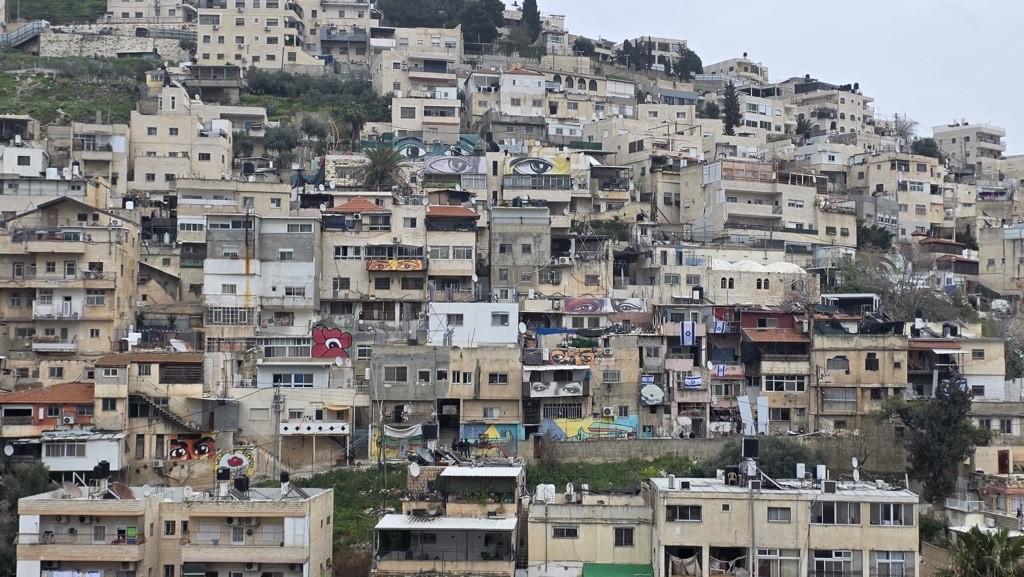
Amnesty International connects these acts to decades of land confiscation and displacement, including a January 2025 Israeli court order expelling families from Batn Al Hawa.
Analysts emphasize that without decisive international pressure, the legal mechanisms used by Israeli authorities—courts, municipal demolitions, and settler associations—will continue to erode Palestinian housing security in East Jerusalem.
More on Gaza Genocide

Israeli Forces Detain 21-Month-Old Jawad; Medical Report Finds Cigarette Burns And Puncture Wounds
18 sources compared

US Sends VP JD Vance To Negotiate With Iran Amid Conflict
12 sources compared

Israel Strikes Hezbollah; Iran Demands Ceasefire Include Lebanon and Halt Israeli Attacks
17 sources compared

Spain's PM Sanchez accuses Netanyahu of seeking Gaza-scale destruction in Lebanon
10 sources compared