
Iran-US Ceasefire Opens Hormuz, Struggles to End Lebanon Strikes
Key Takeaways
- Two-week US-Iran ceasefire begins; Strait of Hormuz status remains disputed.
- Lebanon outside ceasefire; Israel strikes Beirut.
- Iran accuses U.S. of violating framework; Iran closes Hormuz amid Lebanon clashes.
Hormuz Opens Cautiously
The Strait of Hormuz saw the first commercial vessels transit after more than a month.
MarineTraffic recorded two vessels passing through the strait.

Iran's Foreign Minister said passage would be via coordination with Iran's Armed Forces.
Iranian naval officials quickly re-closed the strait after accusing Israel of launching strikes against Lebanon.
Lebanon Strikes Undermine Ceasefire
Israel's ongoing strikes in Lebanon complicated ceasefire implementation.
Israel and Trump clarified that Lebanon was not included in the ceasefire.

Lebanon's health ministry reported at least 182 people killed.
The Guardian reported that the ceasefire was fraying over significant disagreements.
Oil Markets React
Oil prices dropped sharply after the ceasefire.
The S&P 500 jumped 2.5%.
The chief energy adviser said there was no evidence of more crude oil departing the strait.
Iran Navigation Levy Controversy
Iran announced a 6% security fee on ships passing through the strait.
The White House said this violated the spirit of the agreement.

Trump threatened 50% tariffs on countries arming Iran.
More on Iran

Israel Expands Lebanon Bombing as US-Iran Ceasefire Ignites Regional Fury
21 sources compared
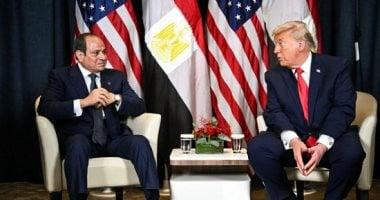
Trump and Iran Agree Two-Week Ceasefire; Pakistan and Egypt Lead Mediation
13 sources compared

Iran Demands Strait of Hormuz Oil Tolls Payable in Bitcoin
15 sources compared
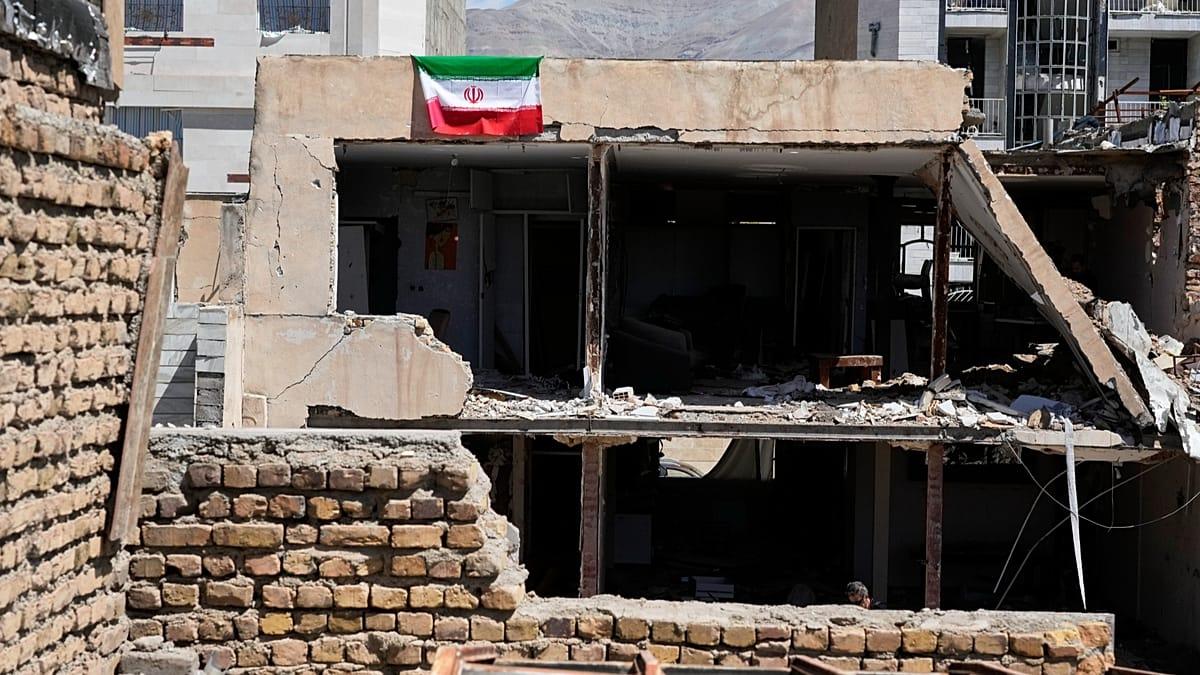
US-Iran Two-Week Ceasefire Opens Strait of Hormuz at 12% Capacity
18 sources compared