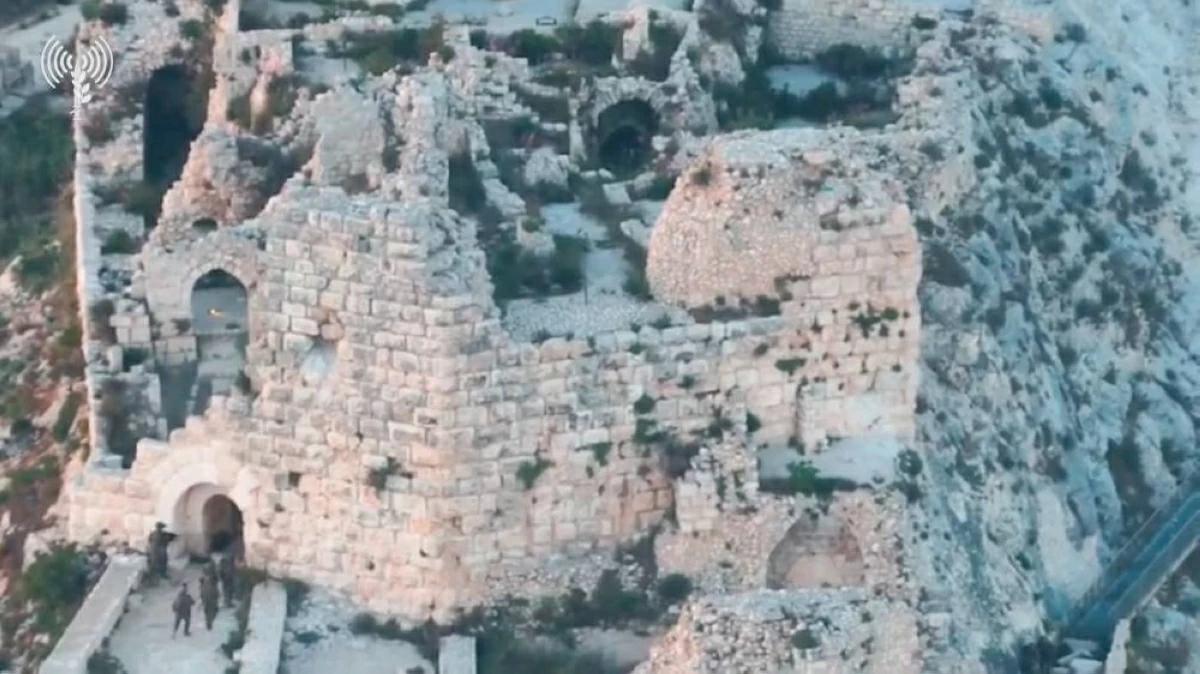
Israeli Forces Seize Beaufort Castle as UN Security Council Meets on Lebanon Ceasefire
Key Takeaways
- Israeli forces seized Beaufort Castle and ridge in southern Lebanon.
- The operation marked the deepest Israeli incursion into Lebanon since 2000.
- UN Security Council convened an emergency meeting to address the expanding offensive.
Beaufort Seized, Talks Complicated
Israeli forces carried out their deepest incursion into Lebanon since they withdrew over a quarter-century ago, seizing the medieval Crusader fortress of Beaufort Castle in the country’s south as Iran ceasefire talks were already under strain.
“In short: The Israeli military says it has captured Beaufort castle and its strategic ridge in southern Lebanon, after days of intense fighting and air strikes in nearby villages”
The capture came as the United Nations Security Council was set to convene an emergency meeting Monday to address Israel’s expanding military offensive in Lebanon, requested by France, with a separate emergency meeting on a Russian drone crash in Romania scheduled to begin at 3:00 p.m. local time.
The fighting has displaced a million people and killed over 3,300 in Lebanon, while the conflict has also resulted in at least 25 military deaths on the Israeli side, according to Devdiscourse.
In Washington, the next round of Israel-Lebanon talks is scheduled for June 2 and 3, after an earlier round this month produced a 45-day extension of the existing cessation-of-hostilities agreement, which the State Department described as "highly productive."
Rubio, Salam, and Emergency Meeting
U.S. Secretary of State Marco Rubio said Hezbollah is "100 percent Iranian proxy" and the central impediment to durable peace, adding that the group was "victimizing the people of Lebanon, who are paying a tremendous price."
Lebanese Prime Minister Nawaf Salam accused Israel of a “scorched-earth policy,” saying in a televised address that the IDF’s actions amounted to “collective punishment” by “destroying towns and villages, and forcing their inhabitants into exile.”

France requested the emergency meeting of the United Nations Security Council after Israeli forces seized the castle, and French Foreign Minister Jean-Noel Barrot said that while he recognized Israel’s right to self-defence, “nothing can justify the continuation of Israeli military operations in Lebanon and its ever-deeper occupation of Lebanese territory.”
In parallel, the Security Council meeting was scheduled directly after another emergency meeting requested by Romania over a drone crash into a Romanian apartment building, with the session set for 3:00 PM local time (7:00 PM GMT).
Evacuation Orders and What’s Next
As Israel expanded its ground operations after capturing Beaufort, it warned Lebanese civilians across the south to evacuate or risk being in the line of fire, and the Israeli military issued an evacuation order for all residents of southern Lebanon, especially those living south of the Zahleh River.
“What you need to know - US President Donald Trump says naval blockade on Iranian ports to be lifted - White House says Trump will only accept Iran deal that 'satisfies his red lines' - Officials from Lebanon and Israel are set for talks at the Pentagon - The meeting comes after Israel and Lebanon agreed on a ceasefire in April - Israel has stepped up its airstrikes on Hezbollah targets in east and south Lebanon this week These updates have been closed”
The push to Beaufort also came with a sweeping evacuation order to areas south of the Zahrani River, north of the Litani, and around 40 kilometres (25 miles) from the border, with the Israeli military spokesman Avichay Adraee warning that anyone near Hezbollah elements or facilities “endangers their life.”
Conflicting reports emerged on whether the escalation would continue or a ceasefire would be consolidated, with LBCI saying Rubio was leading efforts for "consolidating the ceasefire in Lebanon" and Channel 14 reporting Netanyahu and Israel Katz were "inclined to agree to carry out large-scale attacks across Lebanon within the next 24 hours."
The stakes for the ceasefire framework were tied to the June 2 and 3 Washington talks, while the DW report also described that officials from Lebanon and Israel were set for talks at the Pentagon and that Hezbollah was not participating and had refused to accept their results.
More on Lebanon

Israeli Troops Capture Beaufort Castle Near Nabatiyeh as Netanyahu Orders Deeper Lebanon Incursion
21 sources compared
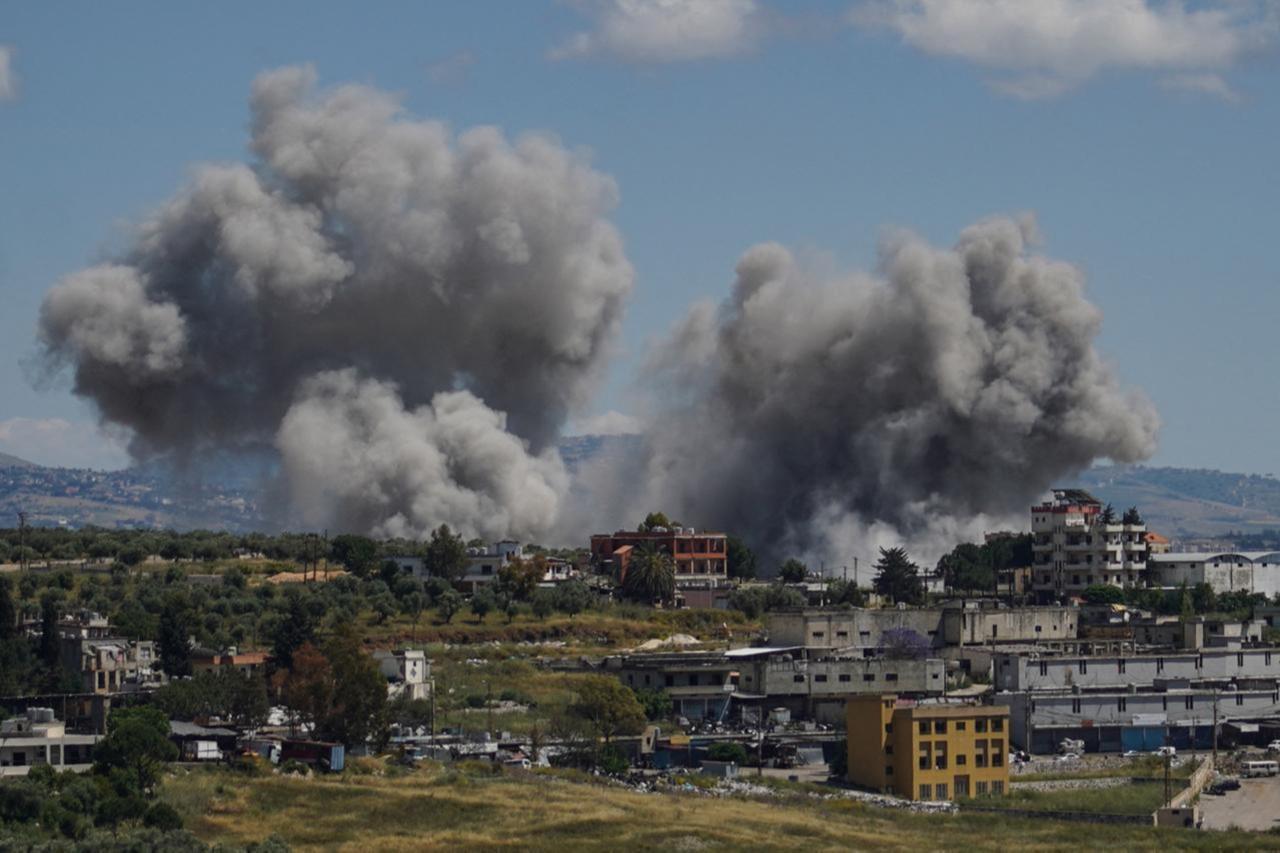
Israeli Forces Cross Litani River, Seize Beaufort Castle Near Nabatieh Despite Ceasefire
18 sources compared

Donald Trump Extends Lebanon-Israel Ceasefire for Three Weeks Ahead of Talks With Aoun and Netanyahu
38 sources compared
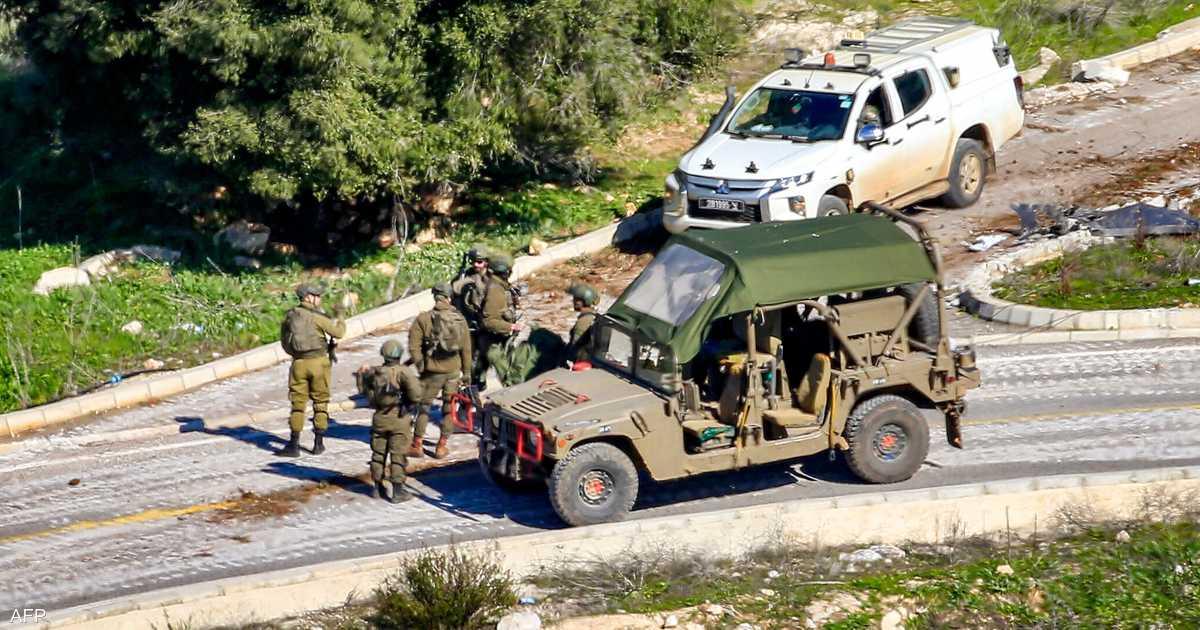
Israel Issues Expulsion Orders for 13 Villages in Southern Lebanon as Netanyahu Advances
11 sources compared