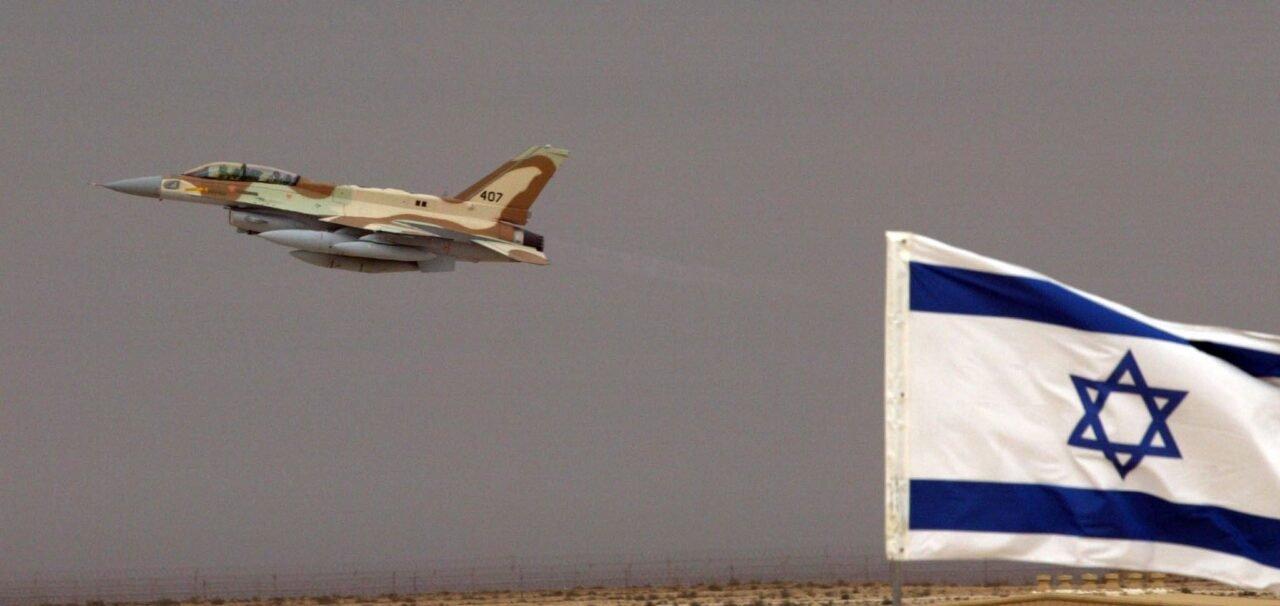
Israeli Prosecutors Charge Sagi Haik and Asaf Shitrit With Espionage for Iran
Key Takeaways
- Two IDF Air Force technicians indicted for spying for Iran
- Indictment accuses passing sensitive information and contacting foreign agents
- Indictment includes leaked fighter jet data and information on military facilities
Espionage cases amid Gaza war
Israel’s war with Iran and the wider conflict environment surrounding Gaza have coincided with a series of espionage cases that Israeli authorities say involve Iranian intelligence recruitment of Israelis.
On Sunday, Israeli prosecutors charged two Israeli citizens with espionage for Iran, including 19-year-old Sagi Haik and 21-year-old Asaf Shitrit, in a case described by Mondoweiss as part of what Israeli security commentators call an espionage “epidemic.”

Mondoweiss says Haik had been in contact with an Iranian handler for months through Telegram and that the months-long contact included plans for the two men to travel to an Arab country for “training,” while the younger suspect allegedly told Israeli authorities he had given “fake intelligence” in the form of a forged document detailing plans for a U.S.-Israeli attack on Iran.
Prosecutors warned that if the allegedly fake document had reached Tehran, it could have triggered a preemptive Iranian attack, according to Mondoweiss.
In parallel reporting, WANA News Agency said Israeli media sources reported the arrest of two Israeli Air Force engineers accused of spying for the Islamic Republic of Iran, with the suspects stationed at Tel Nof Airbase near Ashdod and working on F-15 aircraft.
WANA said the report claimed the suspects provided Iran with documents including engine diagrams and images of training aircraft, and that authorities were considering whether to upgrade charges against one suspect from espionage to treason.
Across the coverage, the common thread is that Israeli authorities frame the cases as security offenses tied to Iranian intelligence elements during a period of heightened regional conflict.
What prosecutors say happened
The espionage allegations described by multiple outlets center on contact with Iranian intelligence agents, the provision of technical and military information, and attempts to renew ties after contact was allegedly severed.
The Jerusalem Post reported that “Two IDF soldiers were indicted on charges of spying for Iran in exchange for financial compensation,” and said the soldiers served as air force technicians who had allegedly been in contact with Iranian intelligence agents for several months before being arrested in March.

Itamar Ben-Gvir and Herzi Halevi appear in the indictment narrative across outlets: the Jerusalem Post said KAN reported the soldiers were asked to gather information about former IDF Chief of Staff Lt.-Gen. (ret.) Herzi Halevi and National Security Minister Itamar Ben-Gvir.
The Times of Israel added detail that the indictment filed by military prosecutors accused the pair, who served as F-15 aircraft mechanics at the IAF’s Tel Nof Airbase, of “security offenses on behalf of Iranian intelligence elements,” and it described a joint statement by the Shin Bet, the IDF, and the police.
In that joint statement, the authorities said the technicians claimed their contact with Iranian handlers was severed after they refused to carry out tasks involving weapons, but “even after the contact was cut off at the initiative of the handler, they did not cease attempts to renew contact, for the purpose of financial gain,” according to The Times of Israel.
The Times of Israel also reported that Army Radio said an Iranian handler asked one soldier, “What monthly salary would satisfy you?” and that the soldier replied, “$1,300.”
It further described alleged tasks including transferring “materials from his military training relating to fighter aircraft systems, as well as documentation of facilities and areas within a military base,” and it said Army Radio reported the handler asked one soldier to assassinate IAF chief Maj. Gen. Tomer Bar.
i24NEWS similarly said the military prosecution charges included “aiding the enemy in war, passing information to the enemy, assisting in contact with a foreign agent, and other offenses,” and that the arrests were carried out in March 2026 in a joint operation involving Shabak, the Central District Police, the Military Investigative Police Special Unit, and the IDF Information Security Directorate.
Refusals, renewals, and warnings
Across the reporting, Israeli authorities emphasize that the suspects allegedly continued contact for money even after claiming they refused weapons-related tasks, and they issue warnings to Israelis and soldiers about maintaining ties with enemy-state elements.
“Gift this articleShare to FacebookPrint article Article printing is available to subscribers only Print in a simple, ad-free format Subscribe Comments: SaveZen Reading Zen reading is available to subscribers only Ad-free and in a comfortable reading format Subscribe”
The Times of Israel quotes the joint statement’s account that the technicians claimed contact was severed after they refused to carry out tasks involving weapons, but that they did not stop trying to renew contact “for the purpose of financial gain.”
It also reports that the investigation was carried out jointly by the Shin Bet, Military Police, and Israel Police, and that after the incident the commander of Tel Nof convened a discussion on information security in which he divulged he had been summoned by the Shin Bet over the affair, according to the Kan report.
In the joint statement, the authorities “again warn Israeli citizens, including soldiers, about the very act of maintaining contact with foreign elements from enemy states, let alone carrying out tasks for them in exchange for payment or any other benefit,” as quoted by The Times of Israel.
i24NEWS similarly said security officials emphasized that the case is one of many ongoing attempts by hostile intelligence services to recruit Israelis, including military personnel, for espionage and intelligence gathering, and it said the Shin Bet, Israel Police, and IDF warned against any contact with foreign agents from enemy states.
Middle East Eye described the same core sequence, saying the pair told investigators they initially cut ties with Iranian handlers after refusing weapons-related tasks, but later attempted to re-establish contact.
WANA News Agency added that Kan reported eight other military personnel at Tel Nof Airbase were suspected of being aware of the activities but failed to report them to senior officials.
Different outlets, different emphasis
While the core allegations overlap, the outlets diverge in how they frame the recruitment pipeline and the scale of the broader espionage effort.
Mondoweiss places the cases inside a larger narrative of an “espionage ‘epidemic’,” saying “Since October 2023, over 50 indictments have been filed against Israeli citizens for spying on behalf of Iran,” and it adds that in 2025 Israel’s internal security agency, the Shin Bet, reported a 400% increase in Iranian recruitment attempts compared to the previous year.
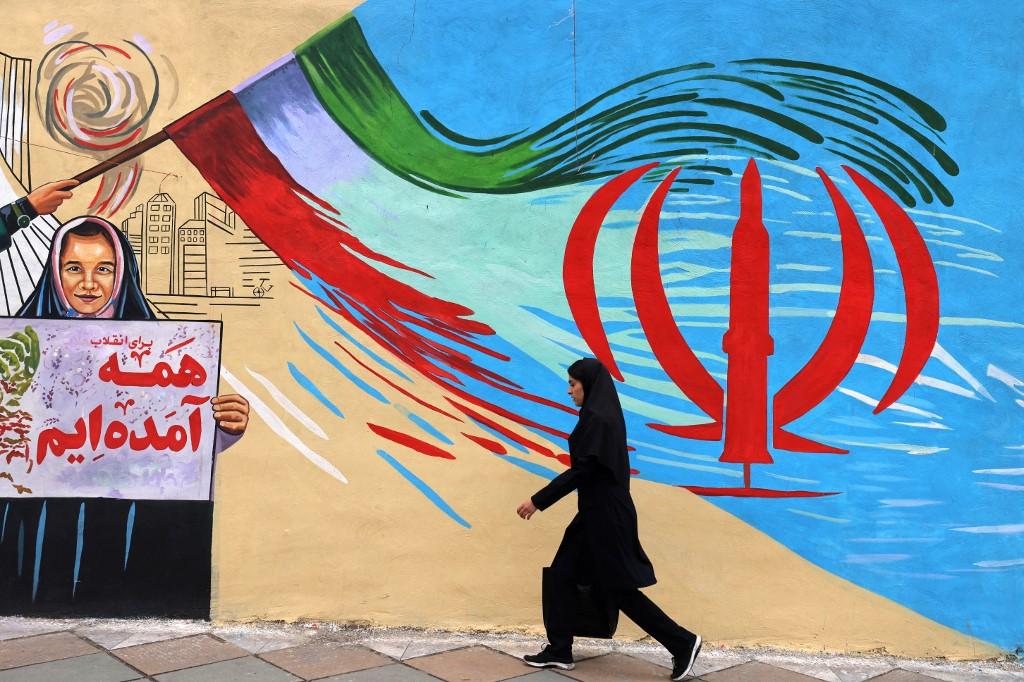
It also describes the recruitment method as “spray-and-pray,” saying “thousands of messages sent via Telegram and social media offer payment for ‘easy tasks’,” and it quotes the Hebrew-language commentary phrase “ha-kesef menatze’akh.”
In contrast, the Israeli and Israeli-adjacent outlets focus tightly on the two-aircraft-technician case and the specific targets and materials described in the indictment.
The Jerusalem Post highlights the indictment’s financial compensation framing and names the officials allegedly targeted for information gathering, including Herzi Halevi and Itamar Ben-Gvir, while The Times of Israel emphasizes the technical details of what was transferred and the alleged salary figure of “$1,300.”
WANA News Agency, meanwhile, reports the arrest of “two Israeli Air Force engineers” and says Kan reported the suspects were stationed at Tel Nof Airbase near Ashdod and worked on F-15 aircraft, and it notes that authorities were considering upgrading charges to treason.
Middle East Eye uses the language of “allegedly working for Iranian intelligence” and describes the same refusal-and-renewal sequence, while i24NEWS and Haaretz both anchor the story in the joint statement by the army, Shin Bet, and Israel Police.
Even within the Israeli reporting, the emphasis differs: i24NEWS stresses the joint operation and the date of the indictments, while The Times of Israel includes the Army Radio account of assassination requests and the alleged delay of aircraft launching ahead of a “12-day war with Iran in June 2025.”
What comes next for Israel
The immediate next steps described in the reporting revolve around the legal process for the indicted technicians and the broader enforcement posture against recruitment attempts.
“Israel has charged two air force personnel with allegedly working for Iranian intelligence, according to a joint statement from the Israeli military, Shin Bet and police”
The Times of Israel says the investigation was carried out jointly by the Shin Bet, Military Police, and Israel Police, and it describes that the commander of Tel Nof convened soldiers for a discussion on information security after being summoned by the Shin Bet over the affair, according to the Kan report.

It also reports that the joint statement “again warn Israeli citizens, including soldiers,” about maintaining contact with foreign elements from enemy states and carrying out tasks for payment or other benefit.
i24NEWS states that the military court filed the indictments on Thursday, April 23, and it identifies the arrests as taking place in March 2026 in a joint operation involving Shabak, the Central District Police, the Military Investigative Police Special Unit, and the IDF Information Security Directorate.
WANA News Agency says Kan reported that authorities were considering whether to upgrade the charges against one suspect from espionage to treason, which would change the legal stakes for at least one of the accused.
In the broader “epidemic” framing, Mondoweiss claims that since October 2023 “over 50 indictments” have been filed and that Shin Bet reported a “400% increase” in Iranian recruitment attempts in 2025 compared to the previous year, suggesting that the case is part of an ongoing enforcement pattern rather than an isolated incident.
The Jerusalem Post and Haaretz both present the case as a serious incident amid a wave of efforts by Tehran to recruit Israelis, and they tie the allegations to the indictment’s charges, including aiding an enemy in wartime and passing information to the enemy.
Taken together, the reporting indicates that Israeli authorities are pursuing both prosecution and internal security measures, while also signaling that additional charges could be considered and that other personnel at Tel Nof are suspected of knowing without reporting.
More on Gaza Genocide
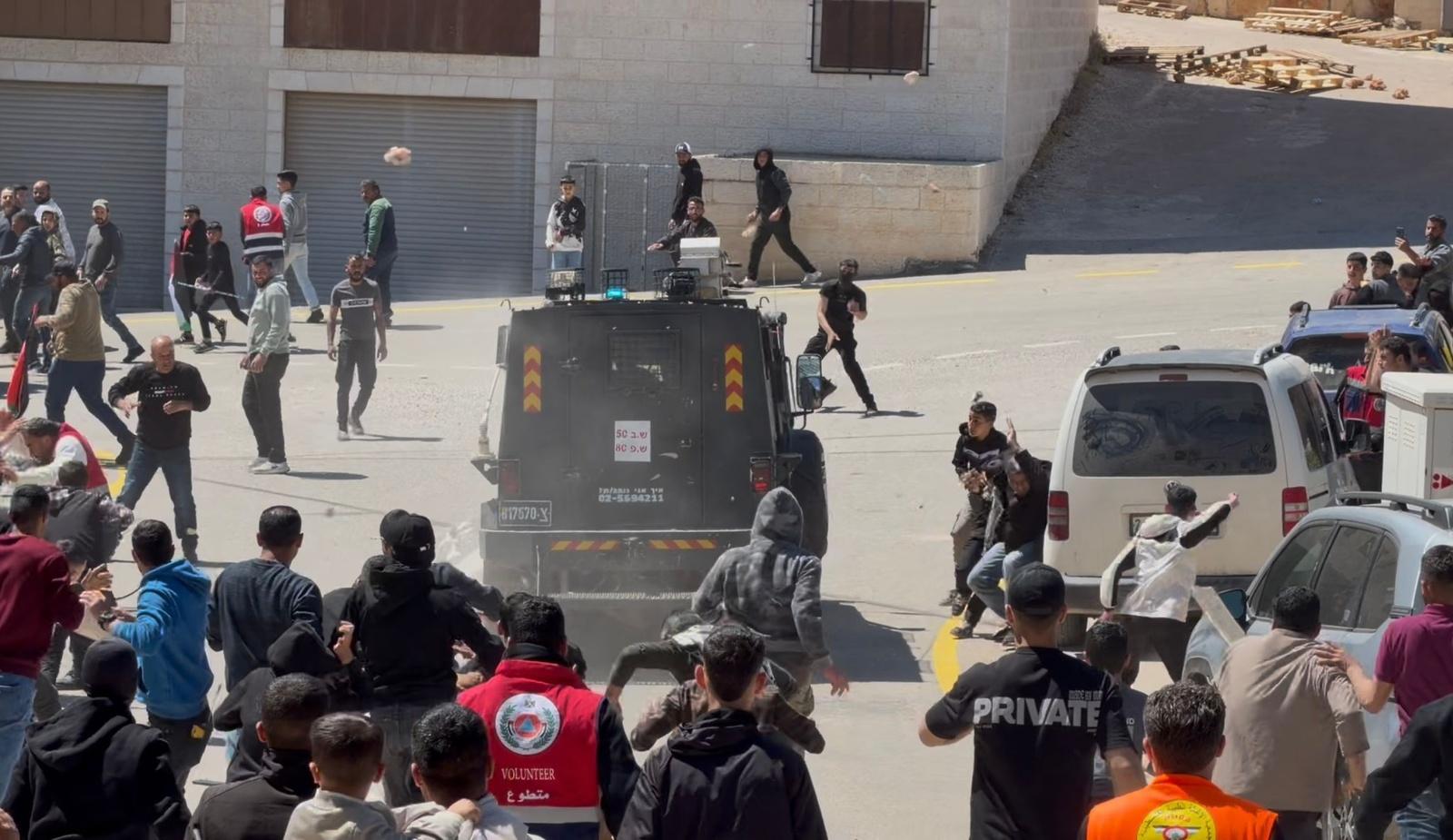
Israeli Forces Fire Tear Gas at Funeral in Al-Mughayyir, East of Ramallah
10 sources compared
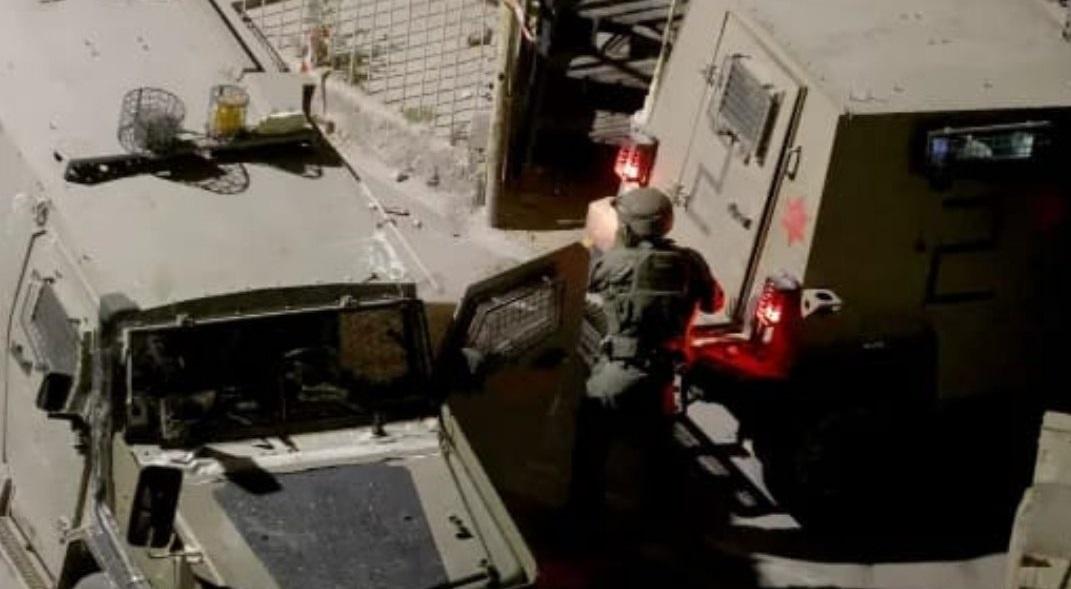
Israeli Forces Kill 15-Year-Old Palestinian Teenager in Nablus West Bank Raid
13 sources compared
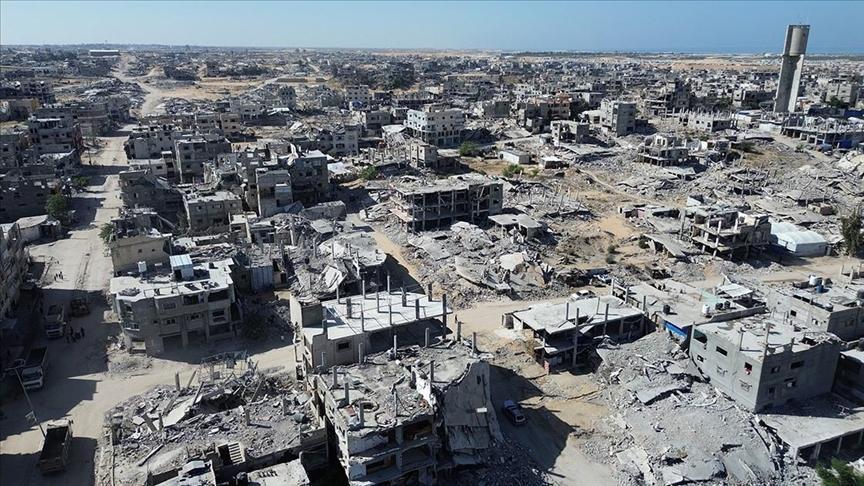
Israeli Drone Strike Kills Five Palestinians, Including Three Children, Near Beit Lahia Mosque
11 sources compared
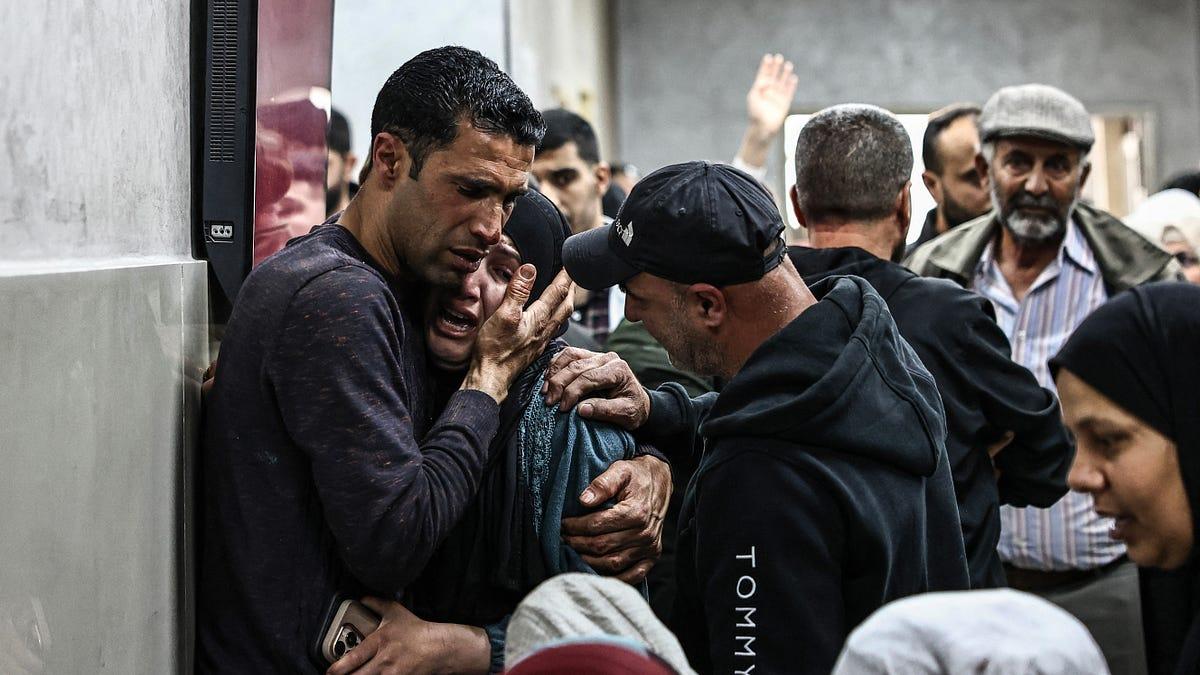
Israeli Forces Fire Tear Gas At Funeral Of Aws Hamdi Al-Nassan And Jihad Abu Na'im Near Ramallah
13 sources compared