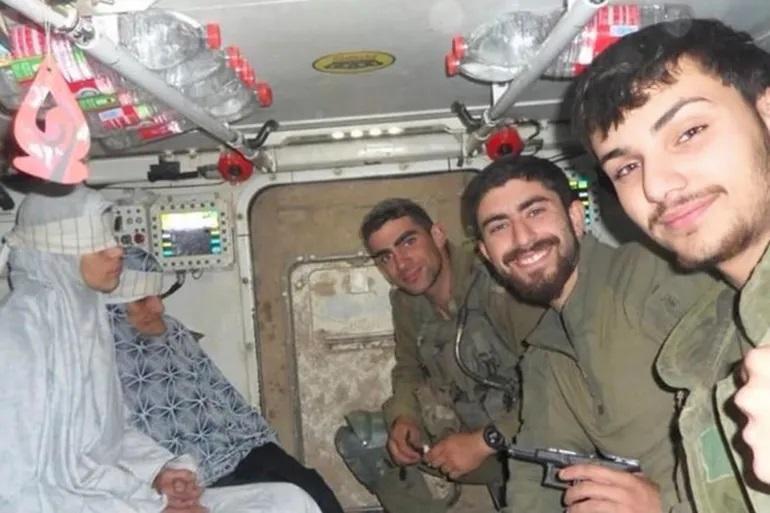
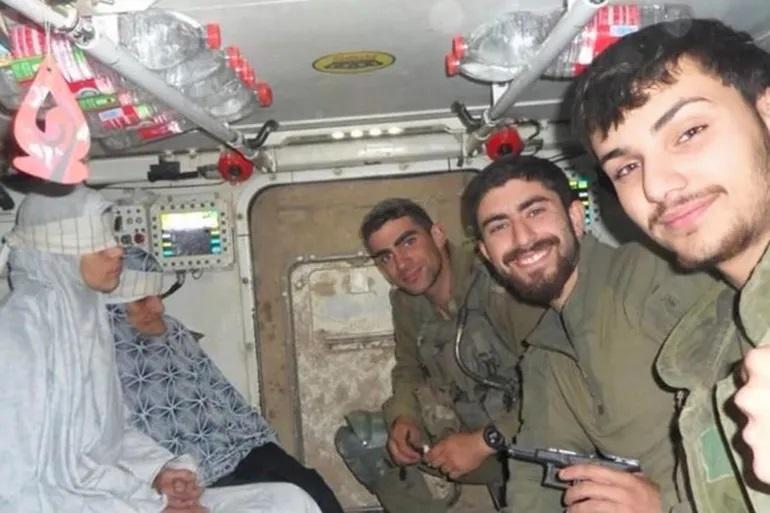
Israeli Sergeant Dolev Mor Yosef Posts Image Of Blindfolded Aisha And Huda Al-Aqad In Gaza
Key Takeaways
- Dolev Mor Yosef, an Israeli army sergeant, posted a photo of two Palestinian women blindfolded.
- Image shows two Palestinian women blindfolded inside an Israeli military vehicle.
- Family of Aisha and Huda al-Aqqad says the photo reopens their disappearance case.
Photo Reopens Missing File
A photo posted by Dolev Mor Yosef, a sergeant in the Israeli occupation army, and later circulated on social media, reopened the file on thousands of missing and forcibly disappeared people in the Gaza Strip after it showed two Palestinian women blindfolded and handcuffed inside an Israeli military vehicle.
“In a modest tent in the Al-Mawasi area of Khan Younis in the southern Gaza Strip, the Al-Aqad family lives under a heavy wait, seeking any information that could reveal the fate of two of its members who have been missing for more than two and a half years, amid the absence of any decisive official narrative about what happened to them”
The women identified in the reporting as Aisha Ahmed Bakr Al-Aqad and her daughter Huda are from Khan Younis in the southern Gaza Strip, and the image was described as a thread that led to partial disclosure of the fate of the Al-Aqad family.

The reporting says the family’s news had ceased since the Israeli invasion of Khan Younis in December 2023, after the family chose to stay in their home in the Western Rabwat area and refused forced displacement.
It also says that during the early days of the siege, the head of the family, Mohammed Assouli Al-Aqad, was martyred by live fire from the occupation forces, and that contact was later lost with members including Iyad and Zakariya with no confirmed information about their fate to date.
Human rights estimates cited in the reporting say the number of missing and forcibly disappeared in Gaza may exceed 11,200 people, including more than 4,700 women and children, amid hundreds of official missing-person reports.
Families, Officials, and Law
In a tent in the Al-Mawasi area of Khan Younis, Al Jazeera correspondent Rami Taima described the Al-Aqad family’s wait for information about two members missing for more than two and a half years, after the photo circulated and, according to the family, confirmed the women belonged to the Mohammad Al-Akad family.
A relative of the missing told Al Jazeera Net, saying, 'God willing, they are alive,' while Al Jazeera Net also quoted a description of the raid in which the army entered, went up to the Verona building opposite them on the fourth floor, and shot the sister’s husband who died instantly.
Alaa Skaffi, director of the Conscience Center for Human Rights, said formal requests had been submitted to the Israeli side to inquire about the fate of the two missing but that no reply has been received yet, noting suspicions of the crime of enforced disappearance.
The reporting also quotes Nada Nabil, director of the Palestinian Center for Missing and Forcibly Disappeared, saying the occupation authorities’ refusal to publish lists of detainees or to allow the International Committee of the Red Cross to visit them constitutes a “deliberate blackout policy” that increases the suffering of families living in a continuous state of waiting.
It further frames the legal stakes through international law expert Dr. Mustafa Nasrallah, who said the crime of enforced disappearance is among the grave offenses addressed by the Rome Statute of the International Criminal Court.
What Comes Next
The reporting links the reopened case to a broader crisis, saying rights organizations attribute the worsening missing persons situation to factors including thousands of victims beneath the rubble, forced burials carried out without official registration, and the collapse of the civil registry and communications systems during the war.
“Monday, May 18, 2026 Sunday, May 10, 2026 Palestinian Information Center A photo posted by Dolev Mor Yosef, a sergeant in the Israeli occupation army, on his Instagram account, and later circulated on social media, reopened the file on the missing and forcibly disappeared in the Gaza Strip, after showing two Palestinian women blindfolded and handcuffed inside an Israeli military vehicle”
It adds that military restrictions hinder rescue teams from reaching wide areas of the Gaza Strip, while damage to home and commercial surveillance systems and destruction of cemeteries and graves disturbance have led to the loss of evidence and traces that could help determine the missing’s fate later.
Al Jazeera Net reports that the Health Ministry said 377 bodies out of 480 were buried without identification, and it describes emergency burials during the war as occurring without sufficient documentation or direct supervision by the victims’ relatives.
The reporting also says the consequences extend beyond humanitarian concerns to social and legal structures, including that some women live in a suspended legal status not knowing whether they are widows or still bound by existing marriages, affecting inheritance, marriage, and family legal identity.
In the same thread of legal pressure, the reporting quotes Dr. Mustafa Nasrallah stressing the need for the international community to hold those responsible to account before international justice mechanisms, including the International Criminal Court, under international humanitarian law.
More on Gaza Genocide
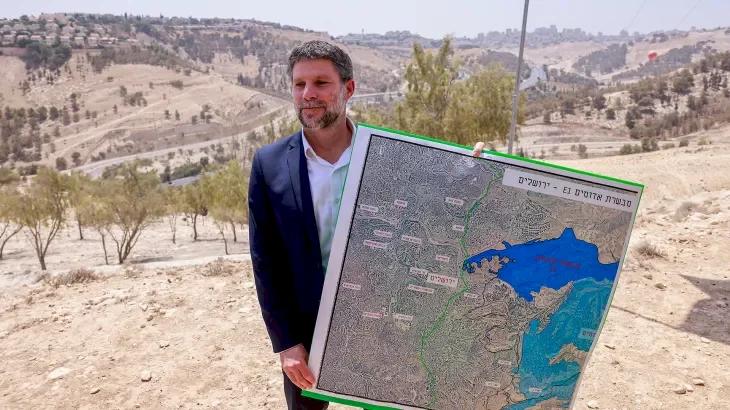
Bezalel Smotrich Orders Khan Al-Ahmar Evacuation After ICC Arrest Warrant Reports
15 sources compared

Israeli Forces Detain 13 Irish Citizens, Including Dr Margaret Connolly, On Gaza Flotilla
11 sources compared
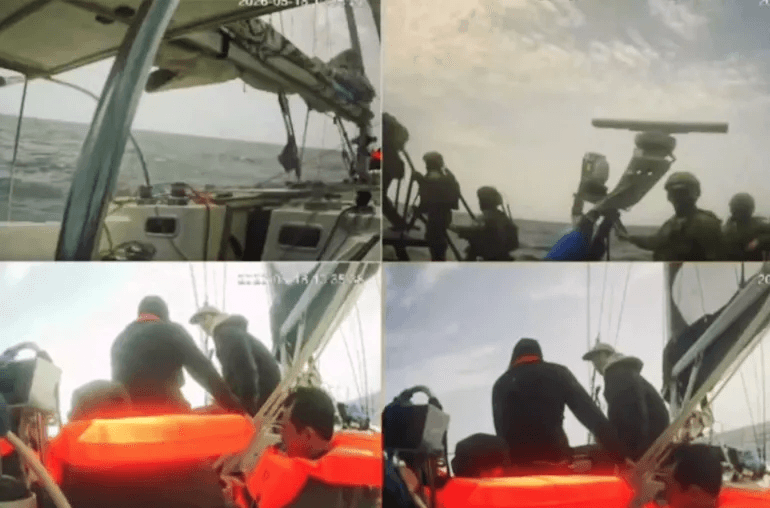
Israeli Forces Intercept Global Sumud Flotilla Vessels, Detain 428 Activists
23 sources compared

Bezalel Smotrich Says ICC Prosecutor Requested Secret Arrest Warrant, Orders Khan Al-Ahmar Demolition
19 sources compared