
Israeli Strikes Kill At Least Seven In Southern Lebanon, Targeting Hezbollah Sites
Key Takeaways
- Israeli airstrikes in southern Lebanon killed at least seven people.
- Israeli strikes hit Hezbollah sites in Khirbet Salm and Tolayn.
- Strikes occurred despite a fragile Israel-Lebanon ceasefire.
Ceasefire, strikes, and deaths
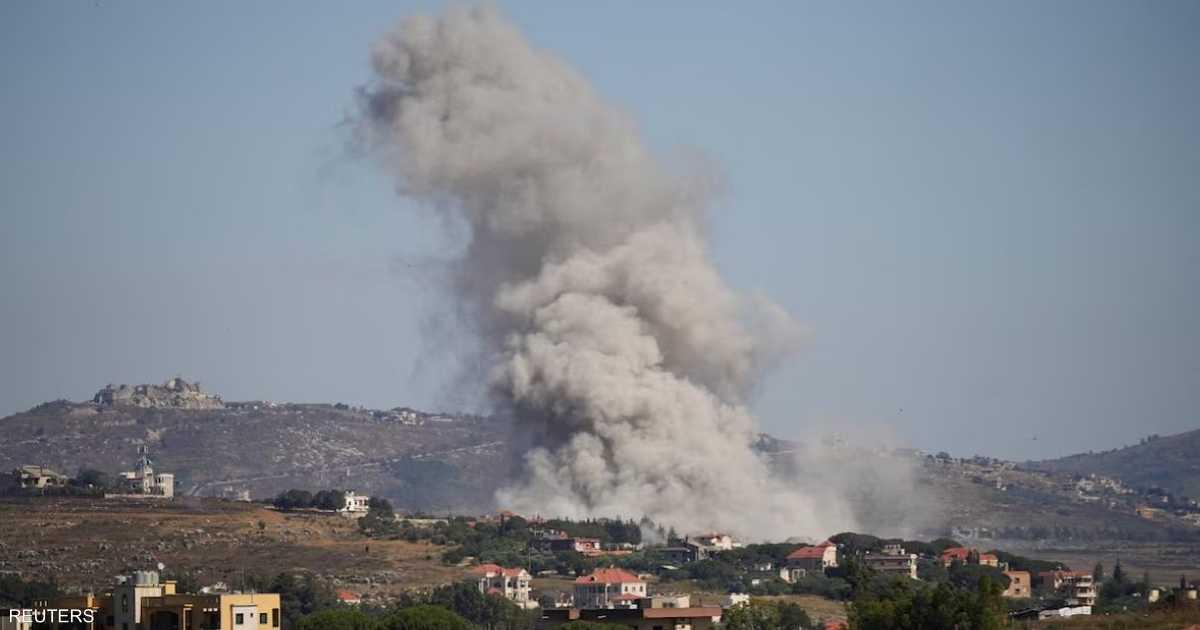
Israeli strikes in southern Lebanon killed at least seven people and injured others despite a ceasefire agreement, according to 24 News HD and the BBC.
“Israeli strikes in southern Lebanon martyr seven despite ceasefire deal Israeli strikes in southern Lebanon have left at least seven people martyred and several others injured, as tensions continue despite an existing ceasefire”
24 News HD said the Israeli military carried out “a series of strikes across southern Lebanon on Saturday,” targeting “dozens of positions linked to Hezbollah,” and that the military statement said it had dismantled “around 70 military structures and approximately 50 infrastructure sites associated with the group.”
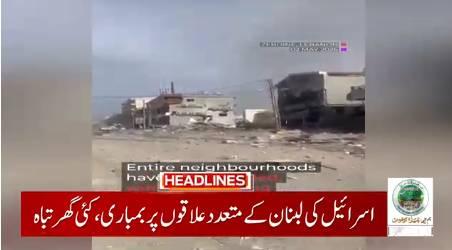
The Lebanese state-run National News Agency reported several areas were hit, including “three individuals in the town of Sammaiyeh in the Tyre district,” as 24 News HD described.
The BBC reported that “at least seven people” were killed in southern Lebanon on Saturday and said the Israeli military also demolished parts of a Catholic convent in the border village of Yaroun.
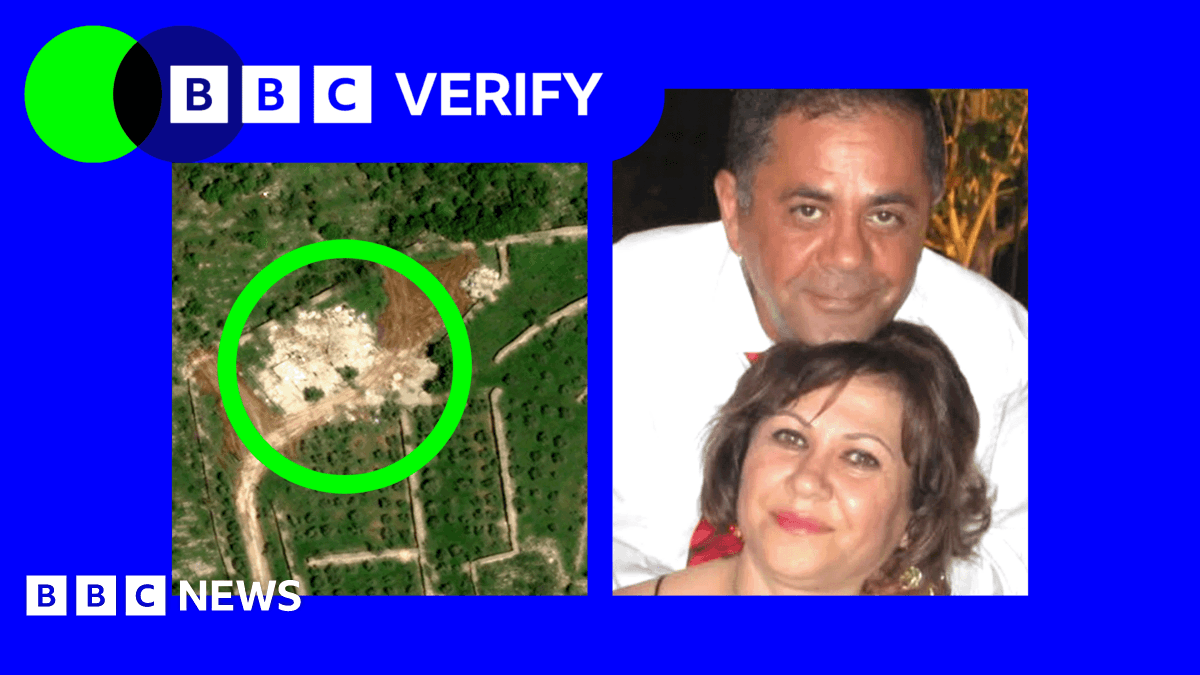
In Yaroun, the BBC described that Israel’s military used bulldozers to destroy parts of a Catholic convent that had been empty because of the latest fighting.
The BBC also quoted Gladys Sabbagh, the superior general of the Basilian Salvatorian Sisters, saying, “What we heard is that it was destroyed with bulldozers.”
The BBC added that the Israel Defence Forces said that while destroying Hezbollah infrastructure in Yaroun, “a house that had no religious signs was damaged,” and that once soldiers knew it was linked to a church, they “prevented any further damage from being done.”
Evacuation warnings and Hezbollah retaliation
Alongside the strikes, the Israeli military issued evacuation warnings for residents of nine southern villages, while Hezbollah described its actions as retaliation for ceasefire violations, according to 24 News HD and the CBC.
24 News HD said “the Israeli army had issued evacuation warnings for residents in nine villages in the south,” and that the strikes came “despite a fragile ceasefire agreement aimed at halting weeks of conflict between Israel and Hezbollah.”

It reported that Hezbollah claimed it had targeted “several Israeli soldiers,” describing the actions as retaliation for continued ceasefire violations.
The CBC similarly said Israel and Hezbollah “have kept up their attacks despite a ceasefire in place since April 17,” and that Israel issued “a new warning for residents of nine southern villages to evacuate.”
In the CBC’s account of the convent demolition in Yaroun, it included the Israel Defence Forces’ claim that “Hezbollah used the compound in the past to fire rockets toward Israel on several occasions.”
The CBC also reported that Hezbollah said it used a drone to attack Israeli troops who gathered inside a house in the coastal village of Bayed.
The BBC and CBC both described the ceasefire as fragile and continued fighting elsewhere in the south, with the BBC noting that “fighting has persisted elsewhere in the south, with continued air raids and repeated evacuation orders.”
The BBC added that the ceasefire text grants Israel the right to act against “planned, imminent or ongoing attacks,” a phrase also quoted in the Defense Post’s account.
Diplomacy, monitoring, and meetings
While fighting continued, Lebanese officials and U.S.-linked monitoring bodies met to discuss the ceasefire framework, according to the BBC and the Defense Post.
“Israel has launched multiple strikes across southern Lebanon, killing at least 10 people in further violations of the “ceasefire” declared two weeks ago”
The BBC said that “the Lebanese army said its Chief of Staff Gen Rudolph Heickl met US Gen Joseph Clearfield at the Beirut air base,” and that during the talks “emphasis was placed on the importance of the army's role and the necessity of supporting it amid the current phase.”
The Defense Post similarly reported that “Lebanese army chief Rodolphe Haykal on Saturday met with visiting US General Joseph Clearfield,” describing discussions of “the security situation in Lebanon, regional developments, and ways to maximise the effectiveness of the (committee) and enhance its operations.”
Both accounts tied Clearfield to monitoring a ceasefire, with the Defense Post describing him as “the head of a five-member committee in charge of monitoring a 2024 ceasefire meant to put an end to the last war between Israel and Hezbollah.”
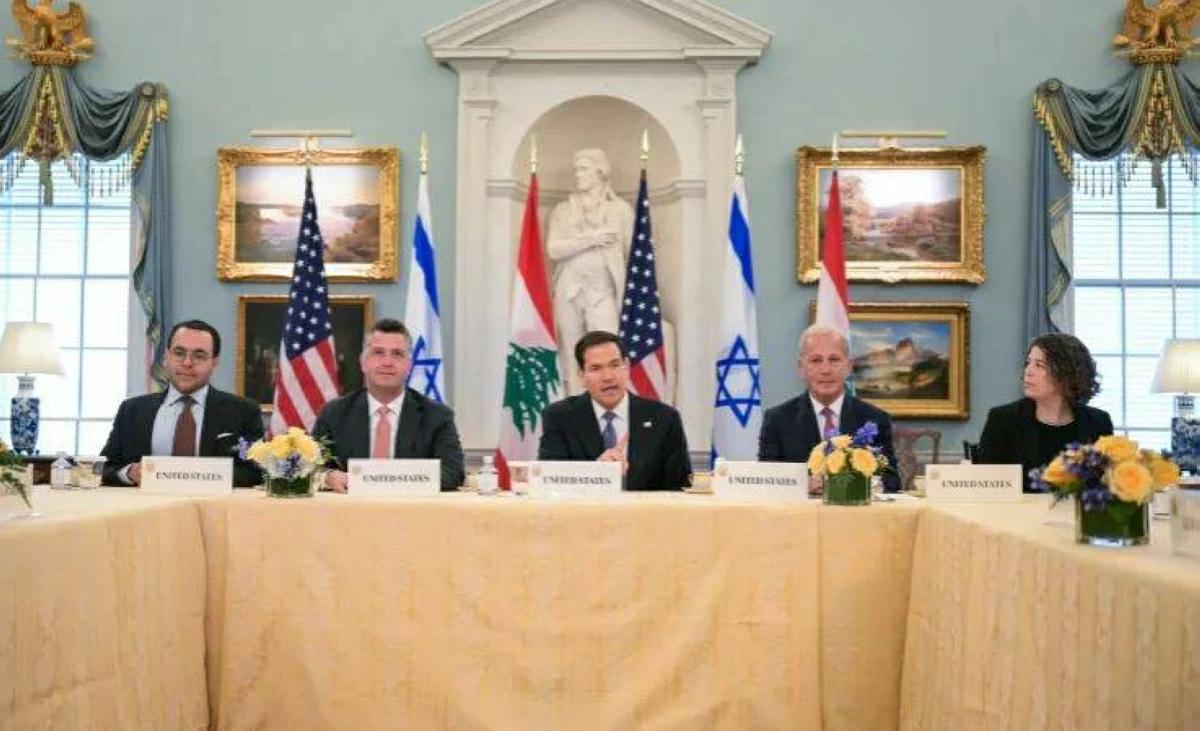
The BBC placed the ceasefire timeline in Washington, saying “A 10-day ceasefire declared in Washington went into effect on April 17” and that it was “later extended by three weeks.”
The BBC also said that “A three-week extension to the ceasefire was announced by US President Donald Trump on 23 April,” and that Trump said the second meeting “went very well” and the U.S. would work with Lebanon “to help it protect itself from Hezbollah.”
The BBC further reported that the Iran-backed group was not involved in the ceasefire agreement but had indicated it would abide by its terms “if it was also respected by Israel.”
The Defense Post added that the ceasefire text grants Israel the right to act against “planned, imminent or ongoing attacks,” reinforcing how monitoring and enforcement were being framed.
Different casualty counts and framing
Reporting on the same broader period of strikes diverged on casualty totals and on how events were framed, with multiple outlets giving different numbers and emphasizing different elements.
24 News HD said Israeli strikes “martyr seven” people in southern Lebanon despite the ceasefire, and it specified “three individuals in the town of Sammaiyeh in the Tyre district.”

The BBC, while also describing “at least seven people” killed on Saturday, separately reported a different set of figures for Friday, saying “At least 13 people, including four women and a child, have been killed” and that “In total, 32 people were injured on Friday.”
Al Jazeera reported a much higher total for a 24-hour window, saying “Israeli air strikes on Lebanon kill 41 people in 24-hours,” and it attributed the figure to Lebanon’s Ministry of Health, stating “increased the total recorded over the previous 24 hours to 41.”
The National described a different casualty pattern, saying “At least four people were killed and 10 injured” after “intense Israeli air strikes across southern Lebanon,” while also stating that “At least 10 people have been killed and 10 injured in a barrage of Israeli strikes across southern Lebanon on Saturday morning.”
The Defense Post and 24 News HD both emphasized Israeli military claims about dismantling Hezbollah-linked sites, including the Defense Post’s quote that “approximately 70 military structures and approximately 50 Hezbollah infrastructure sites were dismantled across several areas.”
In contrast, the BBC’s focus on the Yaroun convent demolition included the Catholic Church’s rejection of claims of military use, quoting Rev. Abdo Abou Kassm saying, “These are not military bases.”
The same BBC report also described how Hezbollah and Israel continued attacks despite the ceasefire, while the National’s account added that local media reported alleged use of white phosphorus around Seriane and Taybeh in Marjayoun.
Humanitarian strain and next steps
The sources also described humanitarian strain and ongoing political and military escalation, with multiple outlets citing health ministry figures and displacement.
The BBC said Lebanon’s Health Ministry reported that “since the war began two months ago, 2,659 people have been killed and 8,183 wounded,” and it added that the Lebanese health ministry “does not distinguish between combatants and civilians.”
Al Jazeera similarly said the overall death toll since March 2 is “2,659,” with “8,183 injured,” and it reported that “More than one million people in Lebanon have been registered as displaced since the outbreak of the war.”
The Defense Post stated that “Israeli strikes have killed more than 2,600 people in Lebanon and displaced more than a million since Hezbollah drew the country into the Middle East war on March 2.”
NBC News described how some residents returned to damaged homes and how hospitals were overburdened, quoting Tyre hospital director Wael Mroueh saying the dynamic was “different from all the previous wars,” and that many wounded were people who “initially fled but decided to return and take their chances.”
NBC News also reported on humanitarian workers, saying IFRC Under Secretary General for National Society Development and Coordination Xavier Castellanos Mosquera condemned targeting of Red Cross volunteers and that “two Lebanese Red Cross volunteers have been killed and 18 others wounded by Israeli strikes.”
NBC News included Mosquera’s quote that Red Cross volunteers in southern Lebanon described hugging each other before departing on a call “because they don’t know if they will return.”
Sky News Arabia reported that the Lebanese Health Ministry confirmed “39 people killed and 136 injured during Sunday alone,” and that “In total, the Health Ministry said 1,461 people have been killed and 4,430 injured since the start of Israeli strikes on March 2.”
More on Lebanon
Israel and Hezbollah Agree Ceasefire After Lebanon Airstrikes Killed 47
12 sources compared
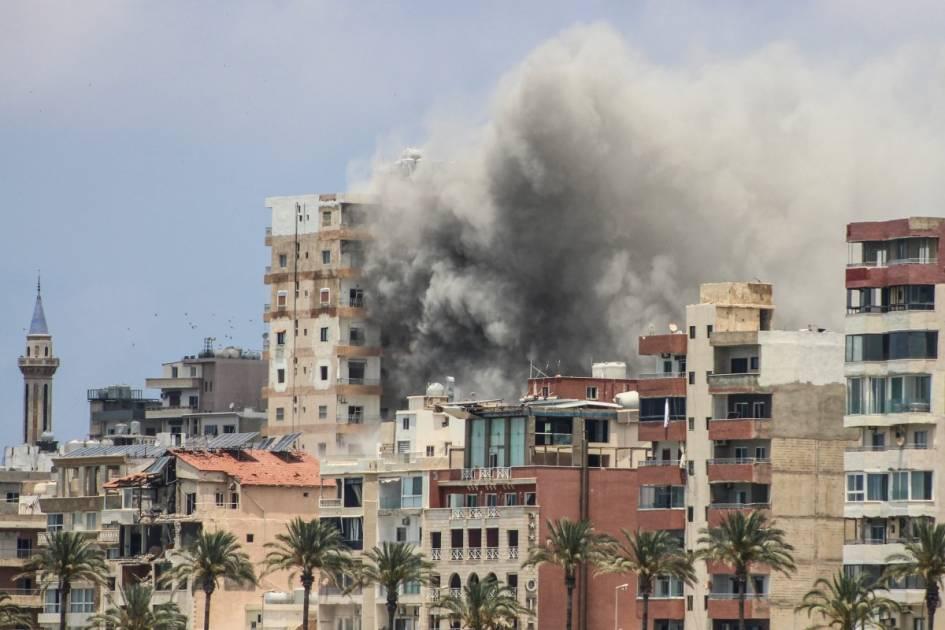
Israel Air Strikes Sejoud In Southern Lebanon Minutes After Ceasefire Announcement, Killing At Least 47
27 sources compared

Israel Continues Attacks On Lebanon After Ceasefire Renewal With Hezbollah
13 sources compared
Israeli Airstrikes Kill At Least 47 in Southern Lebanon as Israel and Hezbollah Agree Ceasefire
23 sources compared