Israeli Troops Raze Olive Trees, Erect Barricades in Golan Heights After Assad’s Fall
Key Takeaways
- Olive trees uprooted or stolen in the Golan Heights and southern Lebanon.
- Border-area destruction includes uprooted trees, ruined villages, and rubble.
- Outlets describe the actions as land seizure and cultural destruction.
Golan, Lebanon in view
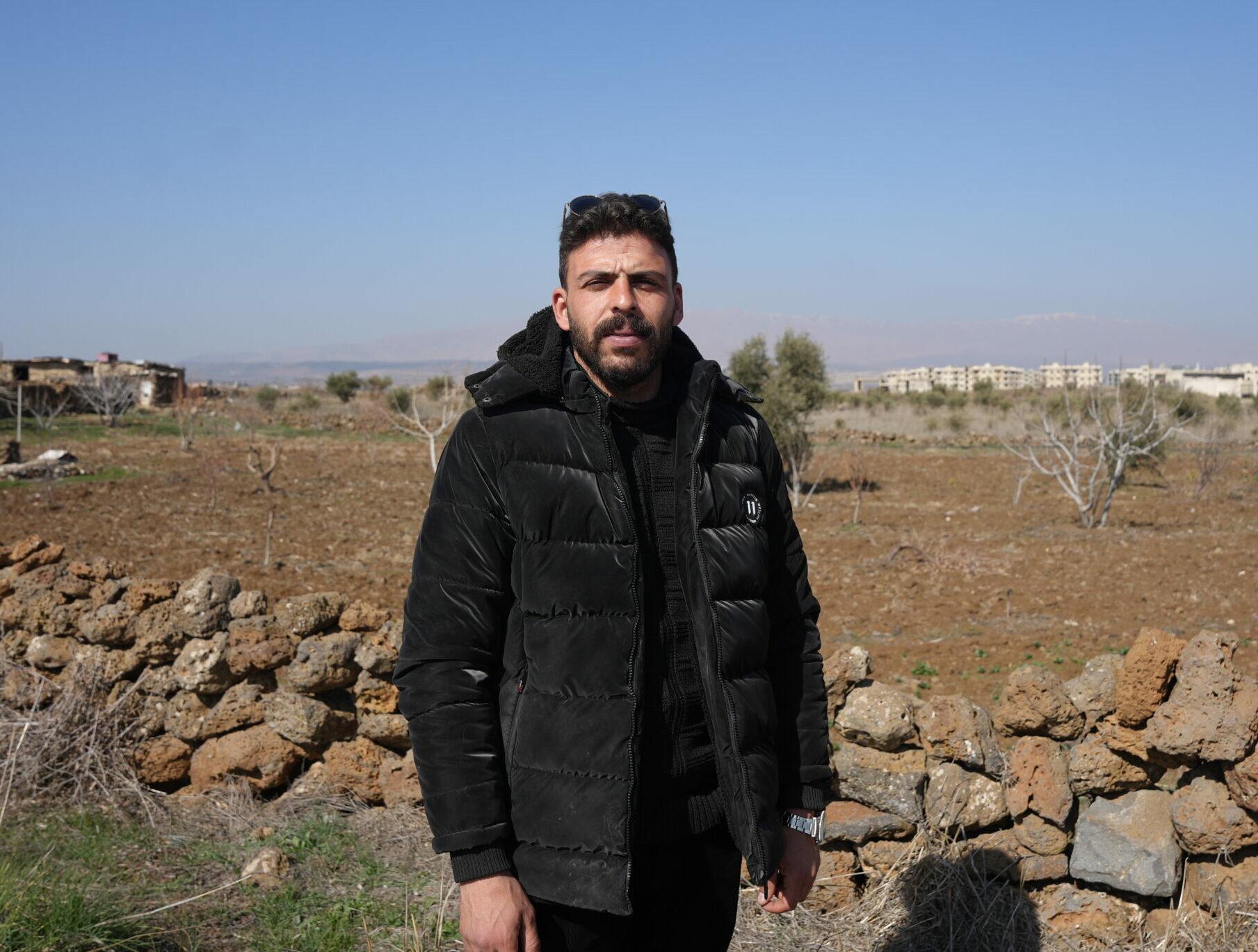
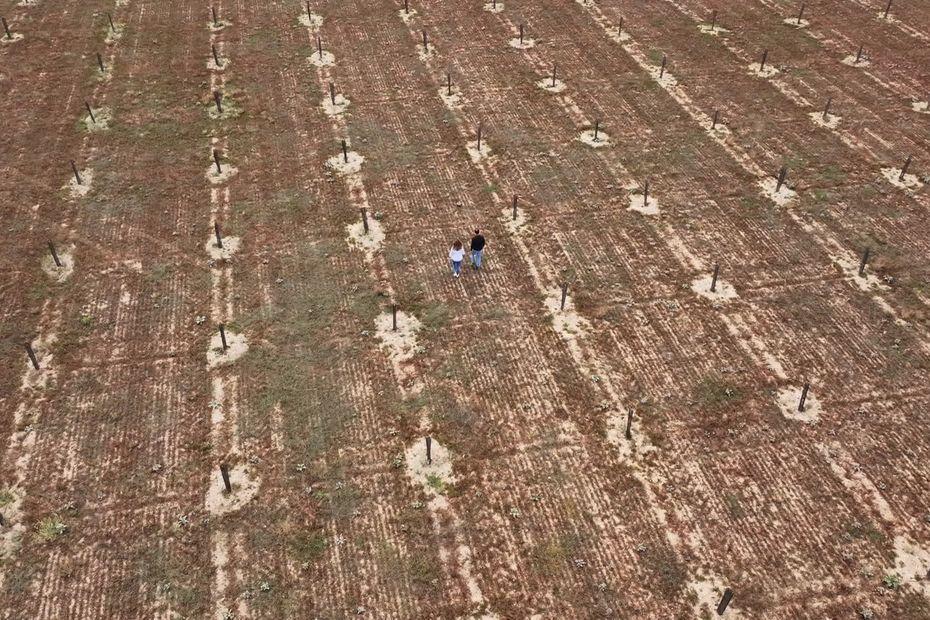
In the Golan Heights, Abu Hussein, a 58-year-old primary school teacher, says Israeli troops arrived in his garden the day after the fall of Bashar al-Assad, on December 8 last year, and he recalls, "They razed our olive trees and erected barricades."
“War in the Middle East: Hizballah shifts the Ukrainian scenario to Lebanon through the use of fiber-optic drones: "They are the biggest challenge for Israel”
He describes being at the front when Israeli troops came, and says his son asked the bulldozer to stop, but "they sent us an armed patrol on foot."

Abu Hussein says about twenty Israeli-owned wind turbines puncture the horizon as Israel imposes more than ever its presence in the Golan’s valleys.
He frames the situation as forced into "silent resistance, for fear of reprisals," and he links the pressure to the strategic value of the plateau.
The article says the Golan plateau is a strategic territory with natural resources, notably water thanks to its high rainfall, and it offers a commanding view of neighboring regions such as Lebanon, Jordan, and Damascus.
It adds that Mount Hermon rises to 2,800 meters and is described as one of the highest peaks in the Golan, representing a strategic asset because of its ability to monitor wide surrounding areas.
The piece also recounts that Israel conquered the Golan in 1967 during the Six-Day War, annexed it in 1981, and that the United States under President Donald Trump officially recognized Israeli sovereignty in 2019.
It states that since the annexation, Israel has established settlements on the plateau, where about 20,000 people now live, and it says the day after Bashar al-Assad’s fall, Israeli tanks crossed the Golan buffer zone, supposed to remain demilitarized under the disengagement agreement signed in 1974.
Displacement and detention
The same account describes how Abu Hussein and his son were taken by the Israeli army to a governorate building in Quneitra’s center, the governorate capital and main city of the Golan, after the interrogation began.
It says Abu Hussein and his son were questioned with the interrogators asking, "Are you Muslims? What is your religion? Are there Hezbollah groups or Islamist groups near you?"
After the interrogation, the two Syrians were transferred to Khan Arnabeh, a few kilometers away, and Abu Hussein says, "Since then, we still have not returned home."
The narrative also includes the story of Abu Hassan, a farmer in his sixties, who says, "When the Israelis arrived, many were afraid and left. I chose to stay," while describing life as hard with "There is no work, no money, and electricity only works a few hours a day."
It adds that Abu Hassan has a wife who is Palestinian and that he has six children all living there, and he says, "I walk miles to bring back food."
The article frames his decision as staying because "this land is ours," even as it describes constant threats and the line, "We will kill you if we are seen in this zone."
In Quneitra’s center, the governorate capital, the piece introduces Mohammed al Fayyad, described as a lawyer, activist, and human rights defender and one of the faces of resistance to Israeli occupation in the region.
It says Mohammed al-Fayyad had been involved in humanitarian and legal missions even before the fall of the Syrian regime, locating missing people detained without trial by Syrian authorities and documenting abuses.
Southern Lebanon, ruined villages
In southern Lebanon, La Croix describes Naqoura, a small border village, as reduced to "heaps of rubble and a tangle of scrap metal" with "only heaps of rubble" left after what it calls the Israeli army’s "evident, relentless assault."
“In Naqoura, a small border village in southern Lebanon, there are only heaps of rubble and a tangle of scrap metal left”
The article says that along the ruined road winding through Naqoura, overlooking the Mediterranean, "No building has been spared," and it describes gaping façades and possessions spilling out as "sad witnesses to a life interrupted."
It repeats the same scene of devastation, emphasizing the ruined road and the blue of the Mediterranean as the landscape is described as "apocalyptic."
La Croix also includes a specific detail of a chandelier still hanging from a ceiling, described as "still miraculously hanging from the ceiling," as a sign of what remains amid destruction.
The piece situates the village as a border location in southern Lebanon, and it frames the assault as relentless by describing the "Israeli army’s evident, relentless assault."
While the excerpt does not provide named officials or casualty figures for Naqoura, it does anchor the narrative in the physical aftermath of the assault and the absence of spared buildings.
The article’s focus on the ruined road and scattered belongings underscores the disruption of daily life in the village, with the possessions of tenants presented as evidence of interruption.
The account does not, in the provided text, connect Naqoura’s destruction to a specific date or named person, but it repeatedly returns to the same description of total devastation.
Agriculture, stolen trees, hunger
El Mundo quotes Lebanon’s Minister of Agriculture, Nizar Hani, describing what he says the Israelis have done to Lebanese agriculture and culture, including olive trees.
In Tyre, Ramzi Samha recalls that the price per kilo of citrus doubled immediately on April 13, and he says, "The Israelis killed a group of 12 Syrians who were picking oranges."
Samha adds, "No Lebanese dared to go. Only the Syrians and because they were paid 70 dollars a day [the average salary in Lebanon is around 300 per month]," linking the labor situation to the violence and the market disruption.
El Mundo says Hani in his Beirut office describes the damages suffered by Lebanese agriculture as "similar to those of a tsunami," and he provides figures: "22.5% of cultivated land has been damaged and cannot be used" and "They are almost 54,000 hectares [out of about 250,000]."
Hani also says, "We had calculated that the sector’s losses during the 2024 war were 800 million dollars," and he frames the broader economic impact with a cost of the war from late 2023 and 2024 estimated at around 14,000 million dollars and "translated into a negative GDP growth of 7.1%."
The article says the conflict began in March and continues despite a nominal ceasefire that came into force on April 17, and it cites the Institute of International Finance estimating GDP could slump again this year by between 12% and 16%.
It also reports that the United Nations Food and Agriculture Organization and the World Food Programme warned that the blow to local agricultural production will translate into an acute hunger crisis that at least 1.2 million people will suffer.
El Mundo further states that the WFP estimates the conflict threatens to place another 45 million people at imminent risk of acute hunger and will push 30 million back into poverty—"4 million in the Middle East"—even if it ends right now.
Fuel costs, inflation, and displacement
El Mundo’s account ties the agricultural collapse to broader economic strain in Lebanon, describing fuel costs, inflation, and the knock-on effects for displacement and food access.
“War in the Middle East: Hizballah shifts the Ukrainian scenario to Lebanon through the use of fiber-optic drones: "They are the biggest challenge for Israel”
It says that at the beginning of April the country registered an "absurd rise" in fuel costs, with the price of a 20-liter can of gasoline rising 60% and diesel rising 55%.
The Central Statistics Office reported in mid-April that inflation accumulated this year had surged to 17.26%, and the article links these pressures to the agricultural sector’s losses beyond land and livestock.
El Mundo says the losses are not limited to the destruction of land, livestock or infrastructure, but also to crop losses, and it gives examples from the south: "in the case of citrus that region generated 70% of the total national production" and "90% in the case of bananas."
It also describes the historic southern tobacco estates as a lifeline for almost 16,000 families, saying "close to 85% or more of the growers have had to flee the area."
In Hani’s account, agriculture is presented as preventing permanent exodus and worsening sectarian tension, with Hani saying, "Agriculture kept the population in the southern villages. Without agriculture, the current exodus [there are more than a million displaced in a country with fewer than 6 million inhabitants] will become permanent and that is worsening sectarian tension."
The article also quotes NGOs such as Action Against Hunger warning that "families are forced to skip meals, reduce the amount or quality of food, sell their belongings or pull children out of school in order to feed themselves."
The excerpt also includes a reference to Hizballah shifting the Ukrainian scenario to Lebanon through fiber-optic drones, quoting, "They are the biggest challenge for Israel."
More on Lebanon

Israel and Hezbollah Agree Ceasefire After Lebanon Airstrikes Killed 47
12 sources compared
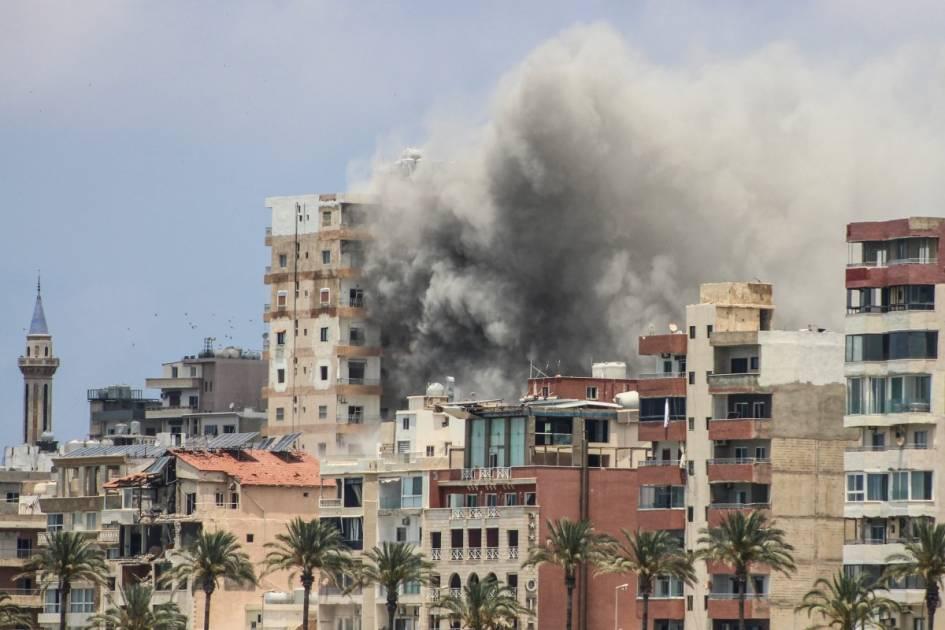
Israel Air Strikes Sejoud In Southern Lebanon Minutes After Ceasefire Announcement, Killing At Least 47
27 sources compared

Israel Continues Attacks On Lebanon After Ceasefire Renewal With Hezbollah
13 sources compared
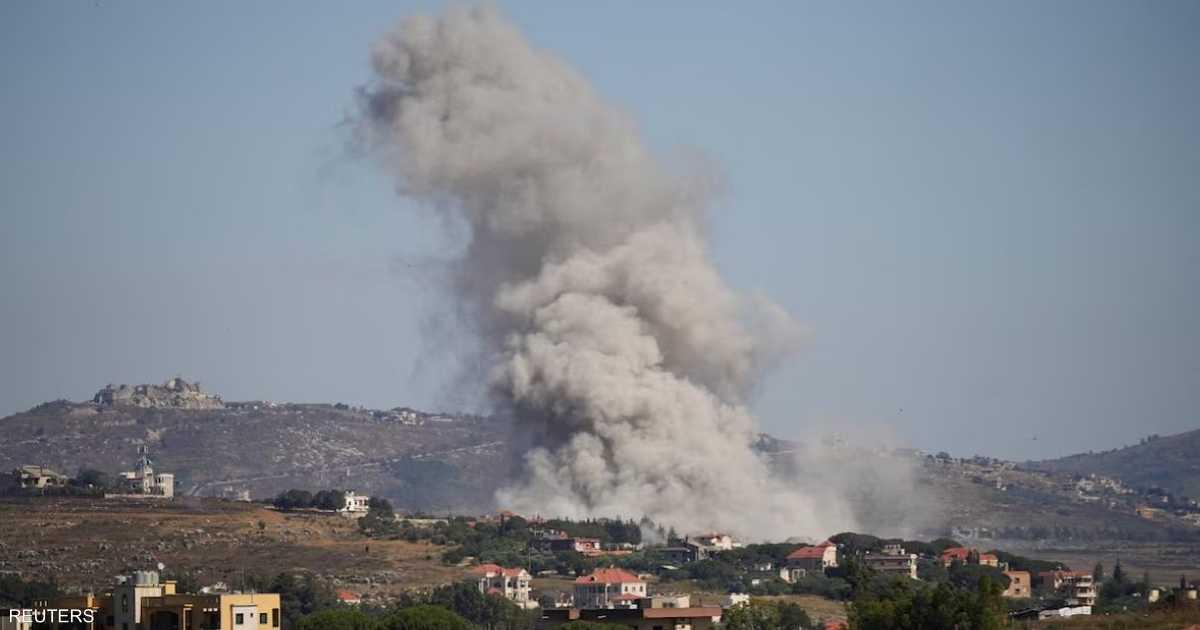
Israeli Airstrikes Kill At Least 47 in Southern Lebanon as Israel and Hezbollah Agree Ceasefire
23 sources compared