Kashmir15 November, 20252 min read
Jammu and Kashmir Police Mishandle Confiscated Explosives, Killing Nine At Nowgam Station
Nine killed and 32 injured when seized explosives detonated inside Nowgam police station Forensic team was examining seized explosives from a terror-module cache when they detonated

23 outlets told this the same way.
Outlets did split on Pakistan Protests Indian Navy’s EEZ Incursion After SEASPARK-26 Collision in Northern Arabian Sea →
Srinagar police station explosion
A powerful late-night explosion tore through the Nowgam police station in Srinagar while forensic and police teams examined a confiscated cache of explosives. The detonation killed nine people and injured between 27 and 32 others, according to reports.
“At least nine people were killed and 32 injured after a cache of confiscated explosives detonated inside a police station in Nowgam, Srinagar, in Indian-controlled Kashmir. The blast occurred late on Friday while forensic experts and police were examining the material; Nalin Prabhat, the region’s police director general, said it was an accident and ruled out foul play. The incident comes days after a separate deadly car blast in New Delhi near the Red Fort that killed at least eight people.”
Officials, including Jammu & Kashmir police director-general Nalin Prabhat, described the blast as accidental and said foul play was ruled out. The explosion, which happened as officers were extracting samples and packing seized material, caused heavy damage to the station and nearby buildings and came days after a separate deadly blast near New Delhi’s Red Fort.
Explosives seizure discrepancies
Reports diverge sharply on the origin, quantity and instability of the seized material.
Several Asian outlets and local reporting link the explosives to a recent Faridabad raid tied to a so‑called 'white‑collar' terror module.
Clarion India and Moneycontrol say about 360 kg of explosives were seized from Dr. Muzammil Ganaie's rented residence and were part of material brought from Faridabad.
The Hindu and other outlets describe a much larger total seizure, with reports referencing up to about 2,900 kg of IED-making material across related raids.
Multiple local sources describe the material as chemically unstable, including ammonium nitrate and other components, and say small successive detonations hampered rescue work.
Victim details and impact
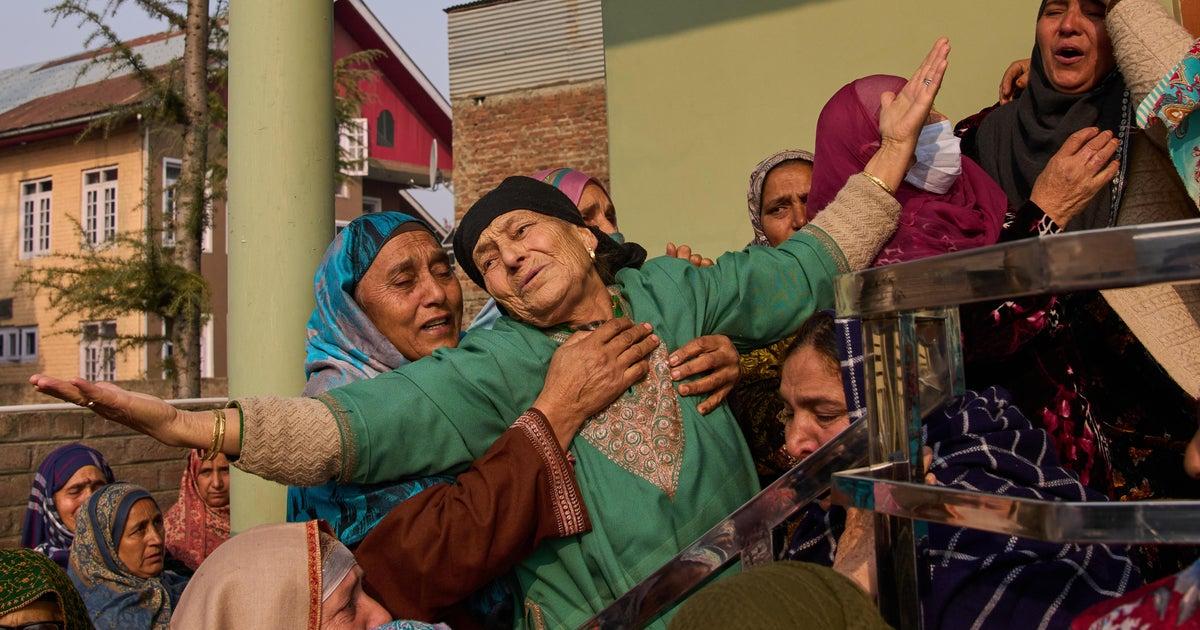
Regional and local reporting offers more granular coverage of victim profiles and the human cost. Outlets including Clarion India, Siasat, The Hindu and The Logical Indian list those killed and injured, naming forensic science laboratory staff, revenue department employees, police photographers, an SIA officer and a tailor among the dead, and detail hospital admissions for dozens of injured. Several reports describe gruesome blast effects such as severe burns and body parts found at a distance, and say successive smaller detonations impeded rescue and recovery work.
“Among the dead were three Forensic Science Laboratory staff, two Revenue Department officials (including a Naib Tehsildar), two police photographers, one State Investigation Agency officer and a tailor. At least 24 police personnel and three civilians were hospitalized.”
Detonation and investigations
Authorities have urged restraint while investigations proceed. DGP Nalin Prabhat and other officials described the detonation as accidental and warned against speculation, while political leaders expressed condolences and called for probes.
Several outlets report authorities are probing possible links with a separate car-bomb explosion near New Delhi's Red Fort earlier in the week, and that nationwide counterterror activity and raids followed that incident. Coverage varies between emphasizing the accident and highlighting a counterterror context.
Media coverage differences
Across outlets there are clear differences of emphasis. Western mainstream and wire outlets foreground the immediate facts and the official accidental-explosion line. Regional and specialist Indian outlets provide fuller detail on quantities, chemical composition, victim identities and the 'white-collar' terror-module context.
“A cache of confiscated explosives detonated inside a police station in the Nowgam area of Srinagar, Indian-administered Kashmir, late on Friday, killing at least nine people and injuring 32 others.”
Some local reports include graphic descriptions and named victim categories while others are concise recaps. Where figures or details conflict — injury totals, kilograms seized — the sources are largely reporting different official briefings or investigative figures rather than offering directly opposing forensic conclusions. The discrepancies indicate the situation was still fluid and being clarified as investigations continued.
