Asia21 April, 20267 min read
Japan Approves Overhaul Ending Ban on Lethal Weapons Exports to 17 Countries
Japan's cabinet approved a major overhaul ending the lethal weapons export ban. Exports to 17 countries will be allowed, marking a broad expansion of arms sales.

Japan’s lethal export shift
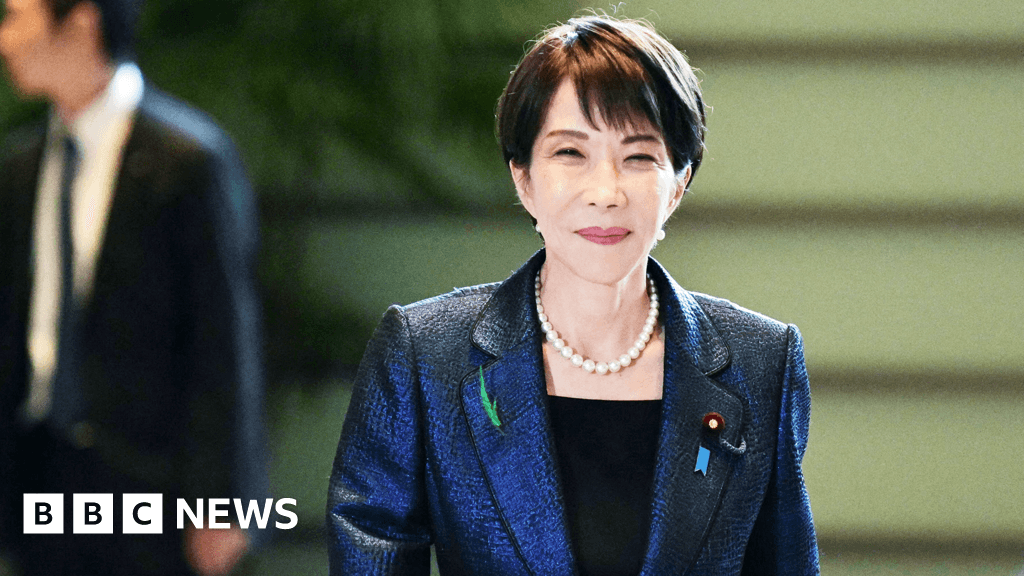
Japan’s government has approved a major overhaul of its arms export rules, ending long-standing restrictions on lethal weapons sales overseas and clearing the way for Tokyo to sell weapons to more than a dozen countries. The change was announced by Japanese Prime Minister Sanae Takaichi, who said the policy would allow Japanese companies to sell arms to 17 countries. The Washington Post described the move as “a major shift from a post-World War II pacifist commitment,” and reported that Takaichi said Japan will begin selling lethal weapons abroad.
The BBC said the announcement “marks a milestone in Tokyo's shift away from the pacifism that has characterised its post-war defence policy,” and that restrictions limiting exports to five categories would be lifted. DW similarly reported that Japan “approved a major overhaul of defense export rules, ending long-standing restrictions on lethal weapons sales overseas and paving the way for exports of fighter jets, missiles and warships.”
In parallel, AP said the Cabinet’s approval “clears a final set of hurdles for many arms sales,” including “a next-generation fighter jet and combat drones.” Across the coverage, the new framework is presented as a break from Japan’s post-World War II pacifist posture, while still maintaining a ban on lethal exports to countries involved in conflict.
What rules changed
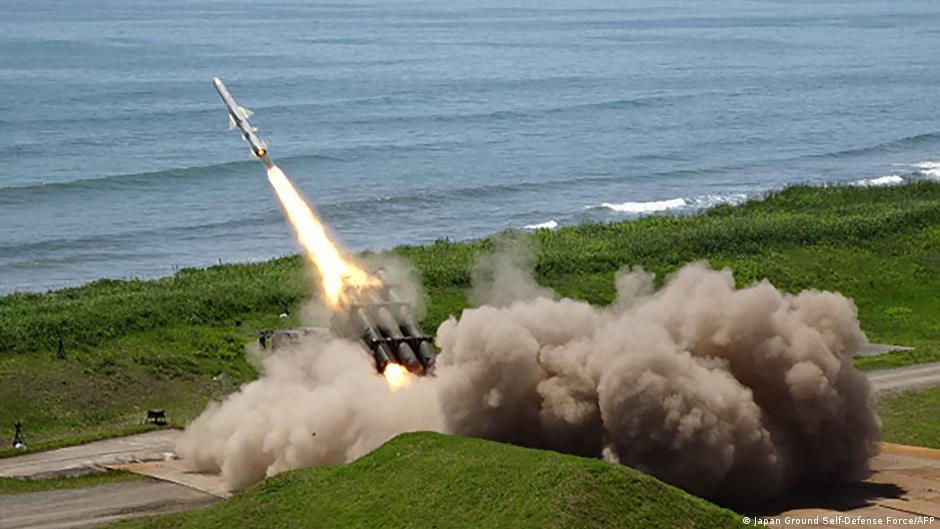
Multiple outlets describe the specific mechanics of the policy shift as a lifting of export limits that previously constrained Japan to narrow categories. The BBC said restrictions that limit arms exports to just five categories—“rescue, transport, warning, surveillance and minesweeping”—would be lifted, and that Japan could then sell lethal weapons to the 17 countries with which it has defence agreements, including the US and the UK. DW likewise said “Previously, exports were largely limited to five categories: rescue, transport, surveillance, warning and minesweeping equipment,” and that the revised guidelines “scrap the earlier categories and allow all defense equipment to be approved, subject to government screening and controls on transfers to third countries.”
AP reported that the new guidelines “scrap those limits and allows the export of equipment such as fighter jets, missiles and destroyers,” while noting that Japan “still will not export lethal weapons to countries that are at war.” The Washington Post framed the change as a shift from pacifism, saying it comes “during a time of heightened security concerns in the region,” and that Takaichi announced Japan will begin selling lethal weapons abroad.
Al Jazeera added that Takaichi’s X post did not specify which weapons Japan would now sell overseas, but said Japanese newspapers reported the changes would encompass “fighter jets, missiles and warships.” The Sunday Guardian provided a deeper policy background, saying the cabinet lifted the lethal arms export ban by revising the “three strategic documents—the National Security Strategy, the National Defense Strategy and the Defense Buildup Program,” and by amending the “Three Principles on Transfer of Defence Equipment and Technology” and its “Guidelines for Implementation.”
Takaichi’s justification and China’s response
Takaichi’s stated justification for the policy change is quoted directly across multiple reports, and China’s reaction is described as sharply critical. The BBC quoted Takaichi writing on X: “In an increasingly severe security environment, no single country can now protect its own peace and security alone,” and it also reported her insistence that there was “absolutely no change in our commitment to upholding the path and fundamental principles we have followed as a peace-loving nation for over 80 years since the war.” DW similarly quoted Takaichi saying “No single country can now protect its own peace and security alone, and partner countries that support each other in terms of defense equipment are necessary,” and it included her statement that “There is absolutely no change in our commitment to upholding the path and fundamental principles we have followed as a peace-loving nation for over 80 years since the war.”
AP quoted Chief Cabinet Secretary Minoru Kihara telling reporters that the policy would “ensure safety for Japan and further contribute to the peace and stability in the region and the international society as the security environment around our country rapidly changes.” In response, China’s criticism is described in both tone and wording: the BBC said China has said it is “seriously concerned” about what it described as Japan's “reckless militarisation,” and that “China will remain highly vigilant and resolutely opposed [to the move].”
DW quoted Foreign Ministry spokesperson Guo Jiakun saying “The international community, including China, will remain highly vigilant on this, and firmly resist Japan's reckless new-style militarization.” The Sunday Guardian also included a line attributed to a China MFA spokesperson on X, stating “Japan’s revision of the “Three Principles on Transfer of Defense Equipment and Technology” is a dangerous move.”
Regional drills and diplomatic friction
The policy change is reported as arriving alongside regional tensions and military activity, with Japan’s participation in war games and China’s opposition to those drills. The BBC said the new arms export rules were announced as Japan's Self-Defence Forces took part in annual war games between the US and the Philippines, and it added that Japan is joining the war games as combatants for the first time, instead of mere observers. The BBC also said China opposed the drills, claiming it would deepen divisions in the region, and that the exercises take place in parts of the Philippines near waters and islands claimed by Beijing, including Taiwan.
The BBC described China’s position on Taiwan, saying China sees self-ruled Taiwan as a breakaway province that will eventually be under Beijing's control and has not ruled out the use of force to take the island. It also reported that last year Takaichi drew Beijing's ire after she suggested in parliament that Japan could respond with its Self-Defence Force if Beijing attacked Taiwan.
South Korea’s response is included as well: the BBC said South Korea's foreign ministry said Japan's defence policy “should ideally be carried out in a manner that upholds the spirit of the Peace Constitution while contributing to peace and stability in the region.” The Sunday Guardian added a separate escalation detail, saying the warship pact was aimed at countering China’s power projection and maritime assertiveness and expanding military footprint in the Indo-Pacific, and it described a Japanese destroyer, JS Ikazuchi, transiting through the Taiwan Strait in an act of “sustaining war with war” as dubbed by China’s People’s Liberation Army (PLA).
Deals, limits, and next steps
While the new rules expand the range of eligible recipients, the reporting repeatedly emphasizes constraints and approval processes, and it ties the policy to specific arms deals and industrial plans. The BBC said a ban on arms sales to countries involved in conflict will stay, although it does not cover those that have defence pacts with Japan, and it said authorities in Tokyo would allow exceptions “in special circumstances.” Al Jazeera quoted Takaichi saying “recipients will be limited to countries that commit to use in accordance with the UN Charter,” and it reported that “At least 17 countries will be eligible to buy weapons manufactured in Japan under the changes,” with the list potentially expanded if more countries enter bilateral agreements.
AP said exports would be limited “for now” to 17 countries that have signed defense equipment and technology transfer agreements with Japan, and that they “also must be approved by the National Security Council,” with the government monitoring how weapons are managed afterward. The Sunday Guardian tied the policy shift to a broader defense partnership with Australia, describing a “$7 billion deal in April” that included supplying eleven upgraded Mogami-class multi-role stealth frigates to the Royal Australian Navy and equipping them with “long-range Kongsberg Naval Strike Missiles and the Type-12 surface-to-ship missiles.”

It also said Australia and Japan signed an agreement to collaboratively develop Boeing’s MQ-28A Ghost Bat unmanned combat aircraft as “loyal wingmen,” and it described the warship pact as “most significant since 2014.” In the same set of coverage, the Washington Post and others framed the shift as a response to security concerns, while NPR and DW described the policy as clearing hurdles for future sales and integrating Japan into defense supply chains.