Technology and Science05 April, 20261 min read
Japan Deploys Physical AI to Combat Shrinking Workforce, Aiming 30% Market Share
Japan deploys physical AI robotics across factories, warehouses, and infrastructure. Labor shortages and demographic crisis drive deployment, not mere automation.

National Survival Strategy
Japan is executing a national survival strategy by deploying physical AI amid an unprecedented labor shortage. The Ministry of Economy, Trade and Industry announced plans to capture a 30% share of the global market by 2040. Japanese manufacturers accounted for about 70% of industrial robots in 2022.
“Physical AI is being bought as a continuity tool: how do you keep factories, warehouses, infrastructure, and service operations running with fewer people?”
The population declined for a 14th consecutive year in 2024, with working-age citizens at just 59.6%. Physical AI is being bought as a continuity tool to keep operations running with fewer people. A Reuters/Nikkei survey found labor shortages are the primary force pushing firms to adopt AI.
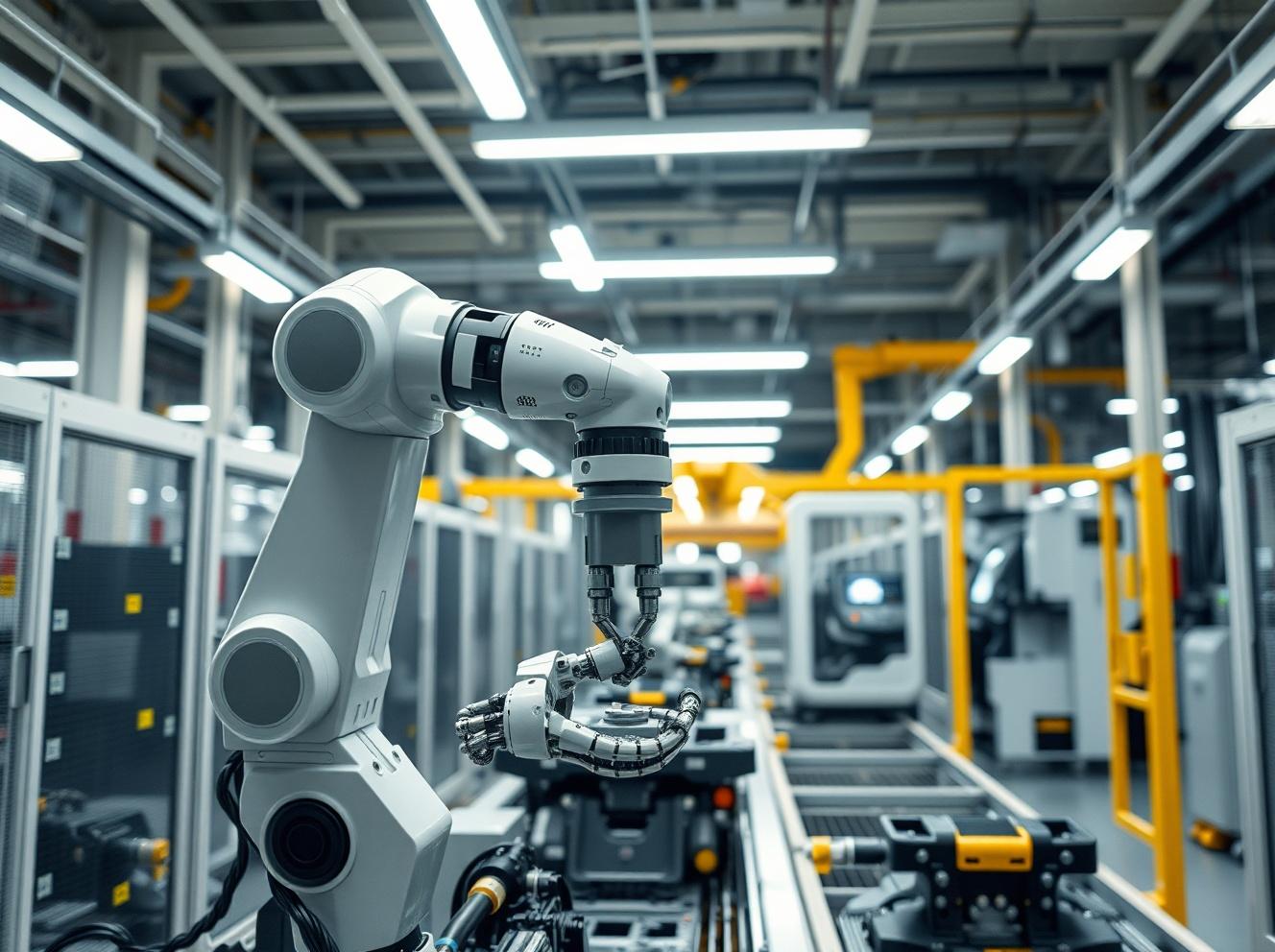
Deep-Tech Heritage and Challenges
Japan’s adoption of physical AI is propelled by cultural acceptance of robotics and a strong foundation in hardware supply chains. The country’s historical strength in high-precision robotics parts provides a competitive edge. Companies like Mujin are leading innovation with AI-powered robotic arms.
The integration of AI with hardware represents a challenge as the US and China advance. Physical AI is being deployed to fill critical roles that a shrinking population can no longer staff.
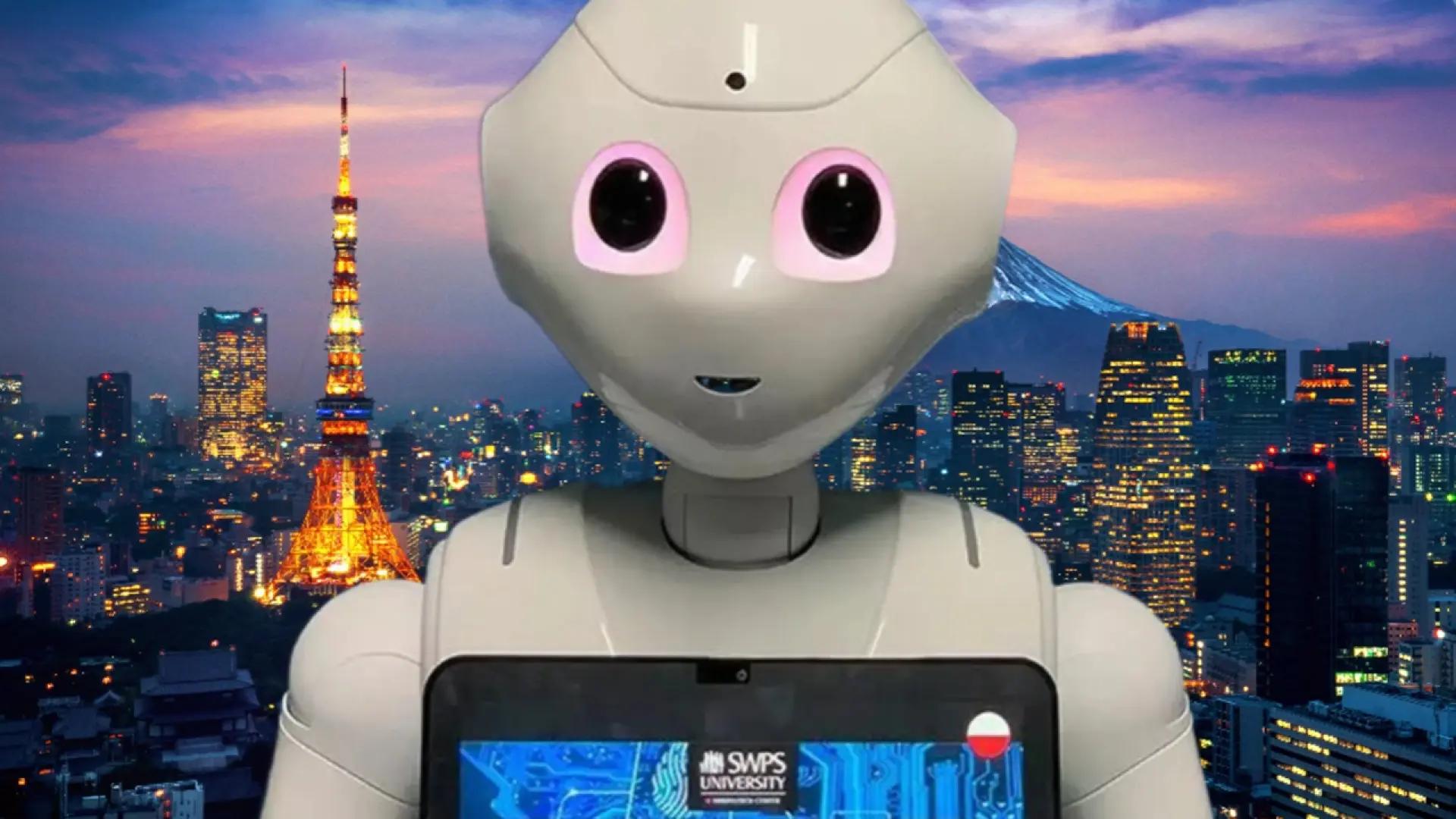
Real-World Deployments and Investment
Japan isn’t waiting for physical AI to be perfect; it’s putting robots to work right now. Mujin’s robotic arms have been deployed across more than 100 warehouse sites. Service robots are already part of daily operations in retail and hospitality.
Investments are pouring in from Salesforce Ventures, Woven Capital, Toyota's venture arm, and Global Brain. The government allocated about $6.3 billion to enhance core AI capabilities.