Asia · 10 April, 2026 · 1 min read
Japan-Linked Tanker Navigates Iran-Closed Strait of Hormuz
Indian-flagged tanker owned by a Japanese subsidiary crossed the Strait of Hormuz amid Iran's closure. Iran effectively closed the strait in retaliation for U.S.-Israeli strikes that began Feb 28.
Framing and tone.
4 of 5 outlets skipped it: the supply channel accounts for about 20 percent of global crude oil consumption..
8outlets compared
Same story, two versions
tap a side to read it in full
Discovery Alert
“Global maritime security hinges on a network of narrow passages where geography concentrates international shipping into vulnerable chokepoints.”Read the original ↗
Türkiye Today
“A Japanese shipping firm said Monday that an Indian-flagged tanker owned by its subsidiary had passed through the Strait of Hormuz and was en route to India.”Read the original ↗
Discovery Alert presents an analytical, strategic framing of chokepoints; Türkiye Today focuses on a specific incident, highlighting immediate operational reporting over strategic analysis.
Rare Passage
A Japanese shipping firm's Indian-flagged tanker successfully transited the Strait of Hormuz despite Iran's effective closure.
“A Japanese shipping firm said the LPG tanker Green Asha had crossed the strait. Both the crew and the cargo are safe”
The LNG carrier Green Asha crossed the strait en route to India, marking the third Japan-linked vessel in recent days.
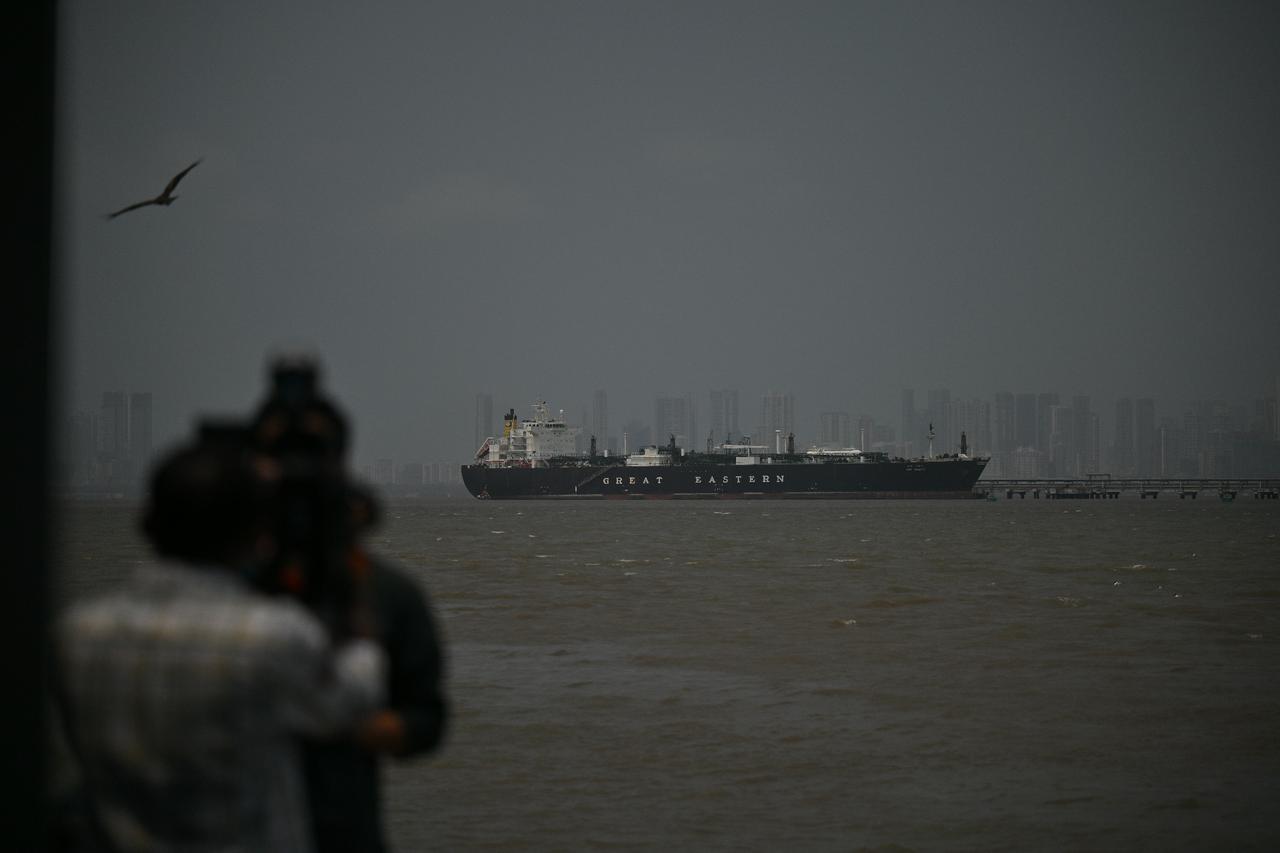
The Strait of Hormuz typically handles 20% of global crude oil consumption.
Iran's Selective Approval
Fifteen ships transited the chokepoint over 24 hours after obtaining Iranian permission.
Vessels have followed an Iran-approved route near Larak Island dubbed the Tehran Toll Gate.
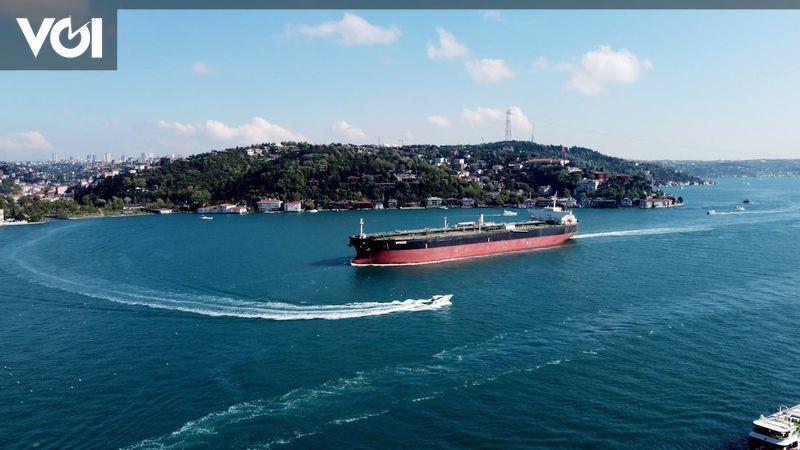
The tension between broad closure and limited exemptions created unpredictable conditions for global maritime insurance.
Strategic and Economic Ramifications
The passage of Mitsui-linked vessels underscores how major Asian economies seek operational workarounds.
“Control over chokepoints transforms waterways into strategic assets beyond their geographic importance”
Global maritime security hinges on chokepoints where geography concentrates shipping into vulnerable bottlenecks.
Economic dependencies create leverage necessary for chokepoint strategies to achieve political objectives.