
Japan Plans Imperial Law Overhaul, Keeping Succession Male-Only and Blocking Princess Aiko
Key Takeaways
- Male-only succession remains despite proposed Imperial Law overhaul.
- Princess Aiko remains barred from the throne under the reform.
- Ruling-party debate and opposition emerge over gender-equality and succession reform.
Japan’s succession overhaul
Japan is preparing an overhaul of the 1947 Imperial House Law that would keep the Chrysanthemum Throne’s succession male-only, leaving Princess Aiko barred from ever ascending the throne.
“The Correspondent's View: A Princess Without a Right to the Throne or a Secure Title”
The Straits Times says the plan would be approved by Prime Minister Sanae Takaichi’s Cabinet on June 26 and passed before Parliament adjourns on July 17, while it “completely bypasses the issue” of female succession.
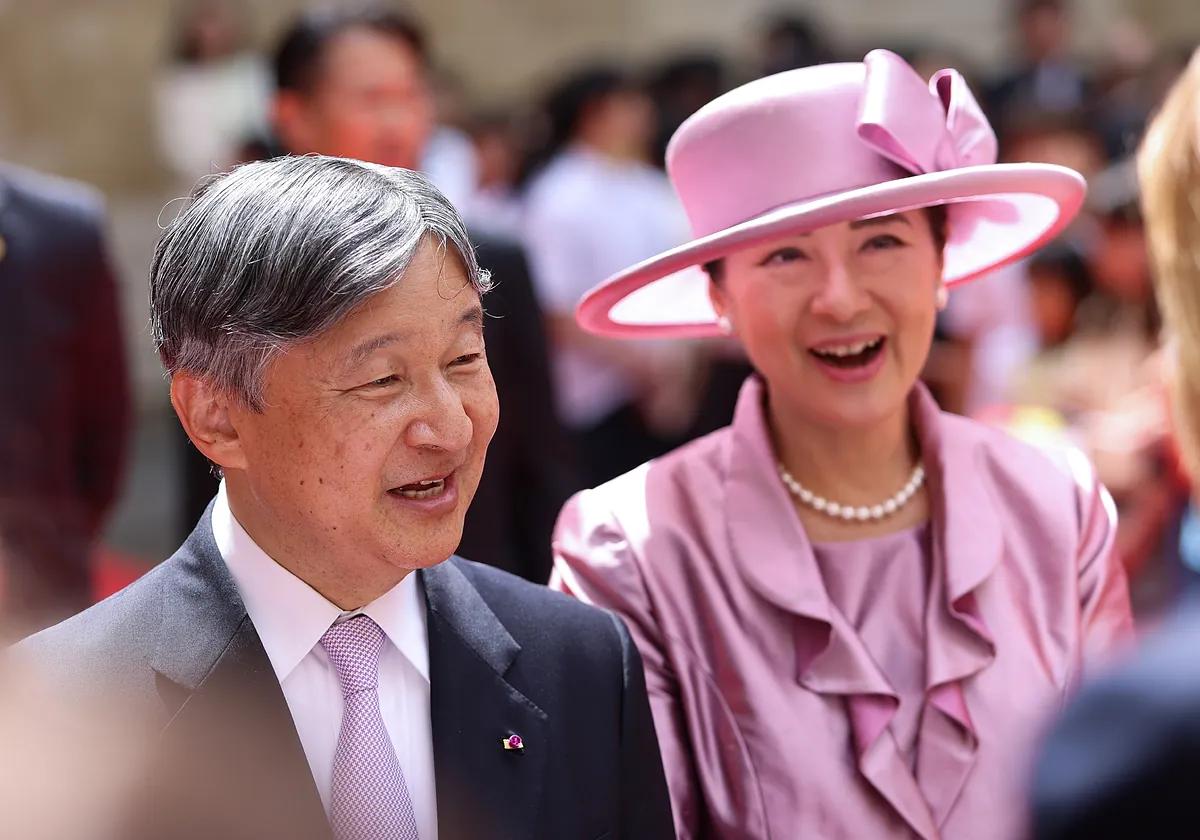
The Straits Times also says Japan’s Emperor Naruhito and Empress Masako met heirs-apparent during a two-week tour of the Netherlands and Belgium that will end on June 26, including Dutch Crown Princess Catharina-Amalia, 22, and Belgian Crown Princess Elisabeth, 24.
The Straits Times frames the debate around the “historical fact that the imperial line has been passed down through the male line for 126 generations,” and notes Japan’s imperial family has dwindled to just 16 members with only three eligible male heirs: Crown Prince Akishino, Prince Hisahito, and Prince Hitachi.
Patriarchal fears and palace rules
In the Straits Times, imperial historian Hideya Kawanishi at Nagoya University calls the move “unprecedented” and says it exposes “deep-rooted patriarchal thinking,” adding that “It seems unlikely anyone will easily step forward.”
The tv5monde account says the 1947 Constitution’s law inscribes that “the transmission of imperial power occurs only from man to man,” and it notes that if a princess marries a commoner she is “permanently expelled from the clan.”

tv5monde describes Princess Masako’s life under strict rules, saying she needed official approval even “to make a simple phone call,” and it says she withdrew from public life in the Tōgū Palace in the Akasaka district of Tokyo.
The Straits Times reports that Naruhito, 66, broke from the apolitical nature of his role to say, “I hope that discussions on how to secure the number of imperial family members will gain the understanding of the people.”
What the reform would change
The Straits Times says the proposal has two key prongs: allowing royals to retain their status after marriage and permitting unmarried male descendants from 11 ejected branches, aged 15 and above, to be adopted into the imperial family.
“Last October, Sanae Takaichi made Japanese history by being elected Prime Minister”
The Straits Times reports that the government’s compromise leaves “glaring questions unanswered,” including whether a princess’s spouse and children would be regarded as royals and whether prospective male adoptees would trade their freedoms for palace life.
Point de Vue says Prime Minister Sanae Takaichi approved a 2021 investigative committee report on February 27 and aligned with its conclusion that it is “appropriate to limit eligibility to male descendants in the direct line belonging to the imperial line.”
Point de Vue also says the government committee’s report designated adoption from parallel branches as a feasible solution if the senior branch becomes extinct, while El Mundo describes the Diet consensus as accepting two options to guarantee a sustainable number of dynastic members, including keeping princesses’ status after marriage and allowing adoption of male descendants from the 11 lineages that lost imperial status in 1947.
More on Asia

Seoul Court Sentences Yoon Suk Yeol to 30 Years for Drone Infiltrations Into North Korea
11 sources compared

Utsunomiya Captures Wild Black Bear After Four Days, Closing 94 Public Schools
13 sources compared

7.8 Quake Kills At Least 35 In Southern Philippines, Triggers 1-Meter Tsunami
28 sources compared

Iranian Drones Damage Kuwait International Airport Terminal, Killing 1 and Wounding Dozens
20 sources compared