JD Vance Says Iran Agreed to Nuclear Inspections After US Suspends Oil Sanctions
Key Takeaways
- Iran agreed to resume international nuclear inspections, restoring Obama-era safeguards.
- Talks in Switzerland were led by JD Vance, yielding optimism.
- Sanctions relief includes suspending Iran's oil sanctions.
Sanctions, inspections, and talks
The United States suspended Iran oil sanctions and issued a 60-day licence allowing Iran to sell oil on the international market as US Vice-President JD Vance said the first round of negotiations in Switzerland was “very very good.”
Vance said Iran agreed to allow nuclear inspectors back into the country, a claim later backed up by US President Donald Trump, while Iranian officials challenged it as “false and does not reflect reality.”

The discrepancy unfolded as the two adversaries sought to fulfill a memorandum of understanding signed on Jun 17 to halt their conflict and pave the way for a long-term deal, with the status of the Strait of Hormuz and continued fighting in Lebanon hanging over the talks.
Trump also warned that if Iran does not stick to its agreement, he would “do what I have to do,” and he said on Monday at the White House that “they’re not supposed to be doing that.”
Strait of Hormuz and Lebanon
Vance said negotiators had “set up the mechanism” to ensure the Strait of Hormuz remains open, while the BBC reported that mediators said the two sides agreed to establish a line of communication to avoid “incidents and miscommunication” in the Strait of Hormuz.
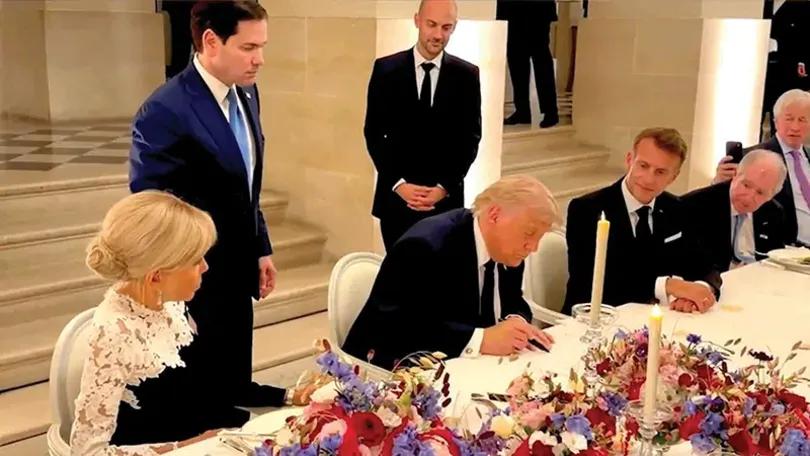
The Washington Post reported that the ceasefire memorandum signed at the Palace of Versailles gave the US and Iran 60 days to resolve disputes including over the fate of Iran’s uranium stockpile and the Strait of Hormuz, as Israeli attacks in Lebanon tested the deal.

In Lebanon, the BBC said Trump accused Iran-backed Hezbollah militants of “causing trouble” in Lebanon, and it also reported that mediators from Qatar and Pakistan said further technical discussions would be held by delegations in the upcoming week.
CBS News said Vance described the talks as a “very, very good” day and reported that Iran’s foreign ministry said real negotiations on the “nuclear issue” haven’t yet started, even as the US said inspectors would return after the first round of talks.
What’s at stake next
The Business Times said Iran hailed the waiver to allow energy sales and the promise of a reconstruction and development fund, while also signaling it would not relent on using leverage over Hormuz if Israel continues fighting in Lebanon.
“Inspections were part of the Obama-era agreement that Trump canceled”
CNN Arabic reported that after Trump’s threats, talks in Switzerland stalled and that Iran’s chief negotiator Mohammad Baqer Qalibaf condemned the American president’s threat as reflecting “despair” in Washington.
The BBC said the US Treasury’s sanctions waivers for some Iranian oil and petroleum products were a condition of the MOU, and it reported that mediators said the road map aimed to reach a final agreement within 60 days.
Meanwhile, the Washington Post said Israeli Prime Minister Benjamin Netanyahu’s government did not sign the agreement and that US intelligence warned Netanyahu would probably undermine it by continuing the attacks, leaving the ceasefire’s durability and the nuclear inspection track as central uncertainties.
More on USA
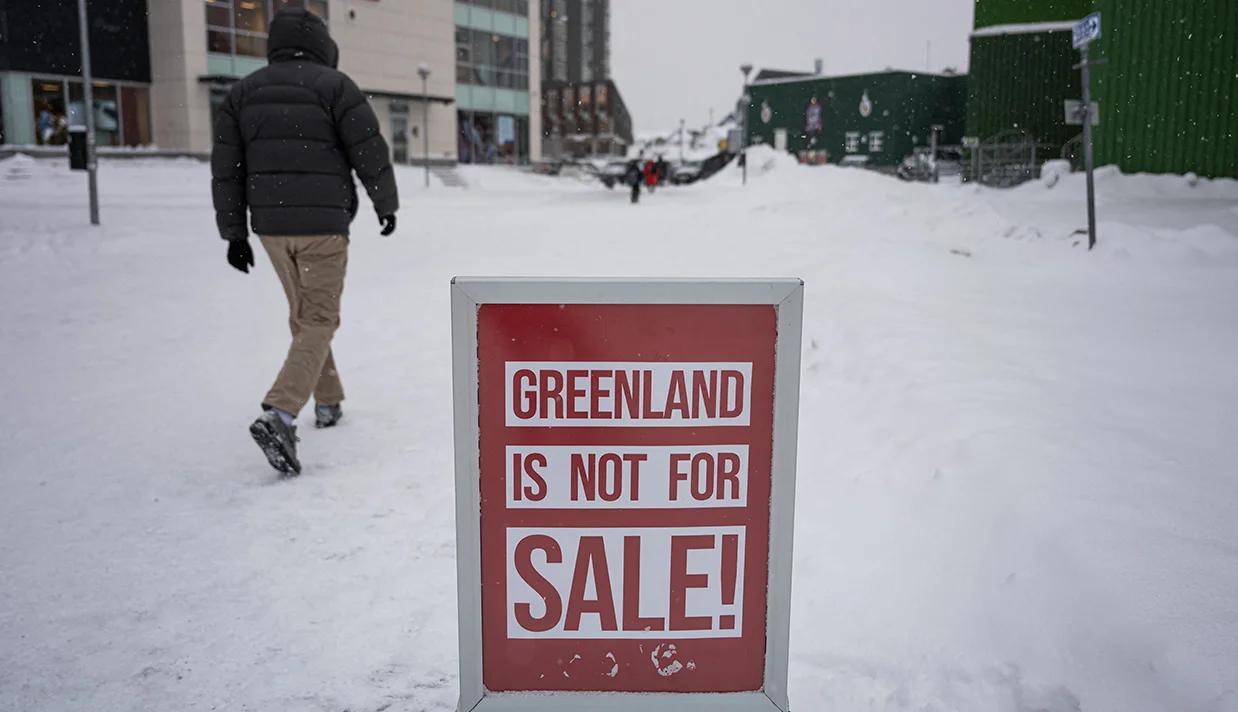
Trump Threatens Tariffs on Denmark and Europe Over Greenland Russia Threat
11 sources compared
Los Angeles Fire Department Battles Boyle Heights Cold-Storage Warehouse Fire, Smoke Spreads Across Region
10 sources compared

Alan Greenspan Dies At 100 After Parkinson’s Complications, Fed Former Chair
13 sources compared
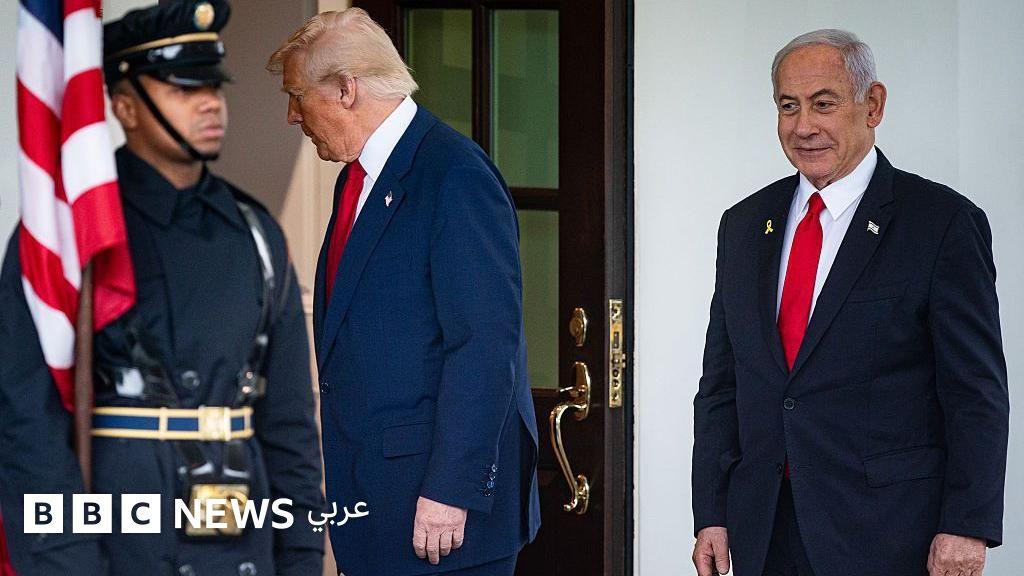
JD Vance Says Iran Will Allow Nuclear Inspectors After Talks in Switzerland
11 sources compared