Jean-Noël Barrot Says France Will Impose New Sanctions on Israeli Settlers in Coming Days
Key Takeaways
- Barrot said new European sanctions could be imposed on Israeli settlers in coming days.
- EU already imposed sanctions in May, including asset freezes and entry bans on settlers.
- Sanctions aim to counter settlement expansion and violence by settlers in the West Bank.
France signals further sanctions
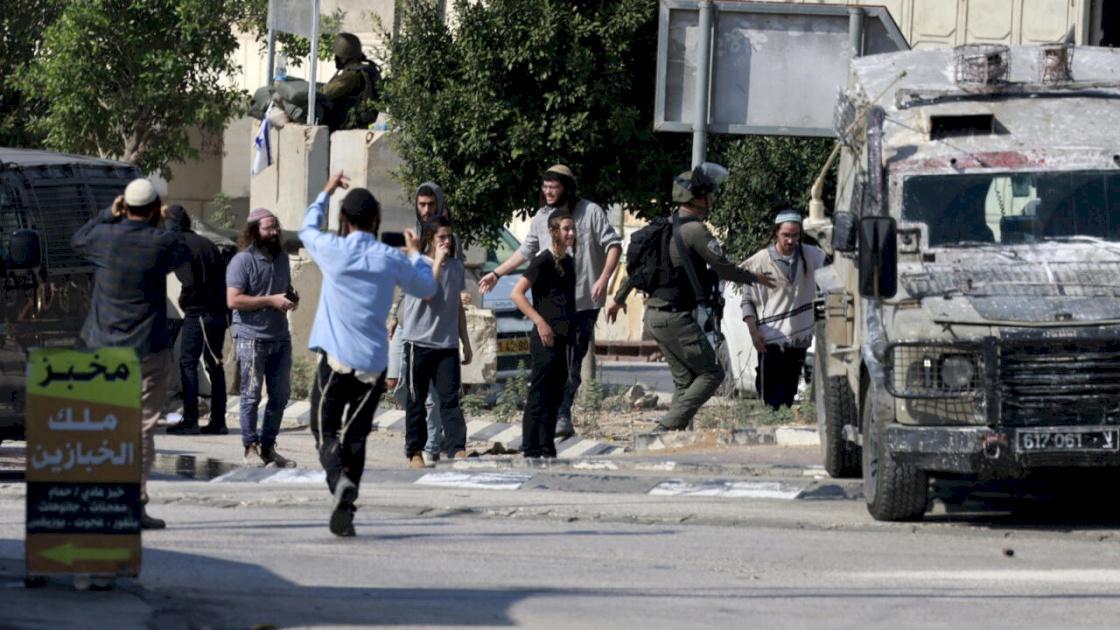
French Foreign Minister Jean-Noël Barrot said on Sunday that France may impose additional sanctions on Israeli settlers in the coming days in response to the expansion of settlement activity in the West Bank and increasing violence against Palestinians.
“20 Minutes with AFP Published on June 7, 2026 at 5:43 PM • Updated on June 7, 2026 at 6:07 PM Jean-Noël Barrot, the Minister of Foreign Affairs, stated this Sunday that new European sanctions could be taken 'in the coming days' against Israeli settlers who commit violence against Palestinians in the occupied West Bank”
Barrot told Public Sénat television and RTL radio that "more stringent sanctions could be imposed in the coming days," and he said he is advocating sanctions not only against individuals responsible for acts of violence but also against entities, companies and organisations in Israel that support extremist settlers.
He said the measures should target those who provide extremist settlers with the means to expel Palestinians from their land, burn crops and destroy public property.
The Reuters report cited European diplomats saying France is working with several countries to step up pressure on Israel by pressing ahead with coordinated national sanctions targeting individuals linked to violence in the West Bank, with measures including asset freezes and travel bans.
EU unanimity falters
European diplomats told Reuters that there is no unanimity at the EU level, so countries moved to discussions at the national level, with coordinated national sanctions described as the best option for now.
One diplomat said, "There is no unanimity at the EU level, so we have moved to discussions at the national level," and Reuters reported that Britain and Norway were among the countries France was coordinating with.

The Arab Weekly said the measures would include asset freezes and travel bans, but that they have yet to be finalised and countries may adopt different lists of individuals.
Israeli Foreign Minister Gideon Saar responded after some new EU sanctions on May 11, saying the bloc had "chosen, in an arbitrary and political manner, to impose sanctions on Israeli citizens and entities because of their political views and without any basis."
E1 project and next meeting
Barrot linked the potential sanctions to the E1 settlement plan, saying it would build thousands of residential units on 12 square kilometers in the West Bank and imperils the territorial contiguity of any future Palestinian state.
He said the E1 plan represents a significant menace to the two-state solution, and he described it as a major danger to the two-state solution in comments carried by QNA.
France is also preparing a June 12 meeting in Paris that will bring together Israeli and Palestinian civil society groups and about a dozen foreign ministers, marking one year since the adoption of the New York Declaration.
The Arab Weekly said French officials want to keep the issue on the international agenda as wars in Iran and Lebanon draw attention away from the Israeli-Palestinian conflict, while talks over Gaza’s future remain deadlocked despite a fragile ceasefire.
More on Europe

Armenians Vote in Parliamentary Election as Nikol Pashinyan Seeks Re-Election Toward Europe
15 sources compared

More Than 1.2 Million Attend Pope Leo XIV Open-Air Mass in Madrid With King Felipe VI
44 sources compared
Pope Leo XIV Urges Spaniards to Reject Polarization During Madrid Visit
30 sources compared

Bernadette Chirac Dies at 93, French President Emmanuel Macron Confirms
14 sources compared