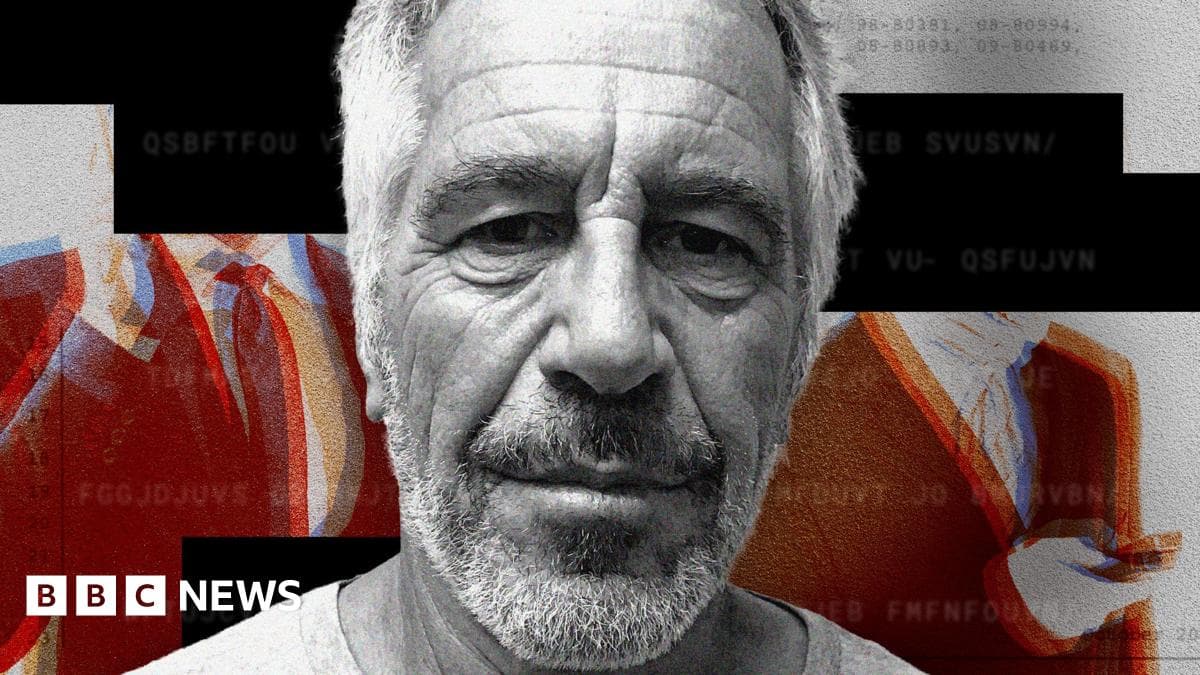
Jeffrey Epstein had two key aides - why do they still control his money and secrets?
Key Takeaways
- Two key aides continue to control Epstein's money and secrets
- FBI raided Epstein's New York mansion in July 2019 and forced open a large safe
- A warrant error prevented agents taking the safe's contents during the initial raid
FBI raid and executors
When the FBI raided Jeffrey Epstein's New York mansion in July 2019, on the day he was arrested for child sex trafficking, agents forced open a large safe to find diamonds, bundles of cash, passports, binders of CDs and hard drives.
“- Published When the FBI raided Jeffrey Epstein's New York mansion in July 2019, on the day he was arrested for child sex trafficking, agents forced open a large safe to find diamonds, bundles of cash, passports, binders of CDs and hard drives”
But an issue with the warrant meant they could not leave with the items.
And when they returned with a new one, the safe had been emptied while they were gone - according to FBI documents.
Richard Kahn, Epstein's accountant and bookkeeper since 2005, had told the mansion's staff to pack two suitcases with the contents of the safe and deliver them to his home, agents wrote.
After the FBI spoke to Kahn's then lawyer, Kahn agreed to hand over the suitcases untouched, but he did not want agents coming to his house and declined to say who had told him to remove the items, agents wrote.
A source close to the investigation into Epstein told us that he was not aware of Kahn ever being interviewed or investigated in relation to the paedophile financier's criminal investigation.
Kahn's current lawyer told BBC News that his client had fully co-operated with the FBI's requests.
Kahn, and Epstein's long-serving lawyer Darren Indyke, are the sole executors of Epstein's estate, controlling all his wealth and possessions.
Although hardly household names, the pair now hold control over compensation owed to survivors and the secrets contained in the documents still held by the Epstein estate - which, upon request, have been released to the House Oversight Committee.
As part of its investigation into Epstein's network, a congressional committee has subpoenaed - summoned - the pair to testify.
Kahn is appearing on Wednesday, while Indyke is due to testify on Thursday 19 March.
Financial and operational allegations
Court filings claim that, either Indyke and Kahn - but often both of them - "had signatory authority over virtually all of the accounts held by Epstein", which meant they were authorised to make transactions.
They also helped to run multiple Epstein corporations - some of which, it is alleged in court filings, existed solely for the purpose of his sex-trafficking operation.
The pair allegedly received millions in fees and loans from Epstein, paid off survivors and even facilitated coerced marriages for women trafficked from abroad to allow them to stay in the US, according to documents filed in court.
One lawsuit alleges that no-one except Ghislaine Maxwell was "as essential and central to Epstein's operation" as Indyke and Khan.
The court documents allege Indyke and Kahn also used another Epstein company registered in the US Virgin Islands to write cheques worth $300,000, made out to young women or to an immigration lawyer involved in helping trafficked women stay in the US.
Indyke made repeated cash withdrawals that appeared designed to provide the convicted sex criminal with funds without triggering the bank's reporting requirements, the USVI court documents claim.
The lawsuit also claims there were 97 separate cash withdrawals of $1,000 made in less than a year from an ATM a short walk from Indyke's law office - but it does not specify who made the withdrawals.
Indyke and Kahn "profited substantially from their relationship with Epstein," the court documents in the Virgin Islands case also claim, and between 2011 and 2019 Indyke was paid $16m, and Kahn $10m, by Epstein and his companies, according to the unredacted papers.
Kahn's lawyer told us "there is no basis for such claims" and that Epstein's businesses didn't operate to shield his activities; "virtually all of them were tax-filing entities whose ownership was never hidden".
Indyke and Kahn have denied any wrongdoing in their interactions with Epstein and are not facing any criminal charges.
"No judge in any court anywhere has ever found that Mr Indyke or Mr Kahn committed any wrongdoing of any kind," Daniel Weiner, Indyke's lawyer, told BBC News.
"Not a single woman has ever accused either man of committing sexual abuse or witnessing sexual abuse, nor claimed at any time that she reported to them any allegation of Mr Epstein's abuse," he added.
Appointment and estate value
The BBC and court documents say Epstein appointed Indyke and Kahn as co-executors in August 2019, just two days before he died in jail awaiting trial for sex-trafficking minors, and he revised his will to transfer all his wealth into a trust named after the year of his birth which they would administer.
“- Published When the FBI raided Jeffrey Epstein's New York mansion in July 2019, on the day he was arrested for child sex trafficking, agents forced open a large safe to find diamonds, bundles of cash, passports, binders of CDs and hard drives”
As co-executors, Indyke and Kahn have agreed compensation packages paid to survivors and included conditions that prevented survivors who accepted funds from taking further legal action against them personally, while other claims remain outstanding.
As beneficiaries of the trust, the men could also be paid tens of millions of dollars each from whatever remains when the claims are settled.
The value of Epstein's estate remains unclear, but it was estimated at roughly $635m (£475m) at the time of his death, according to Edwards Henderson, a law firm that represents many of the survivors.
The US Virgin Islands case was settled in 2022, with the estate agreeing to pay more than $105m (£78m) in cash and half of the proceeds from the sale of one of Epstein's private islands.
Compensation, documents, subpoenas
In 2020, Indyke and Kahn agreed to the Jeffrey Epstein Victim Compensation Program (EVCP) and, according to court documents, an independent administrator was introduced to ensure claims were "free from any interference by the Epstein estate"; claims were more than double the number expected.
According to court documents, 136 women received a combined value of $121m from the Epstein estate, and a further 59 claims from other survivors were resolved for a total of $48m.
Court documents also claim Indyke and Kahn have approved the release of funds from the estate "to pay for the legal fees and costs of other co-conspirators", which both men deny, saying the estate has not paid the legal fees of "any known conspirator in Epstein's crimes".
Indyke and Kahn have provided the House Oversight Committee with "thousands of pages of documents, photographs and other materials" in response to subpoenas, according to Indyke's lawyer, but some items, such as Epstein's book of birthday messages, have come with redactions the executors' legal team say were made to protect victims' identities.
According to a court filing last month, Epstein's estate has agreed to pay up to $35m to survivors who declined to sign up to the compensation programme, and who sued Indyke and Kahn personally, alleging the pair facilitated the disgraced financier's sex trafficking and "chose money"; the article's final sentence appears incomplete and leaves the final allegation or context unclear.
More on Crime
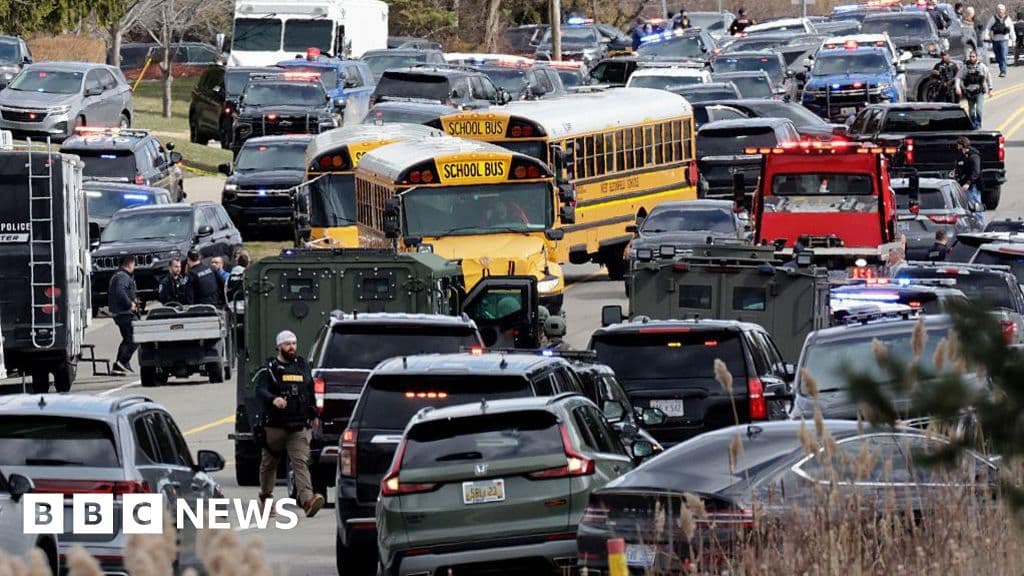
Ghazali Rams Michigan Synagogue, Killed After Saying He Avenged Relatives in Israeli Strike
11 sources compared
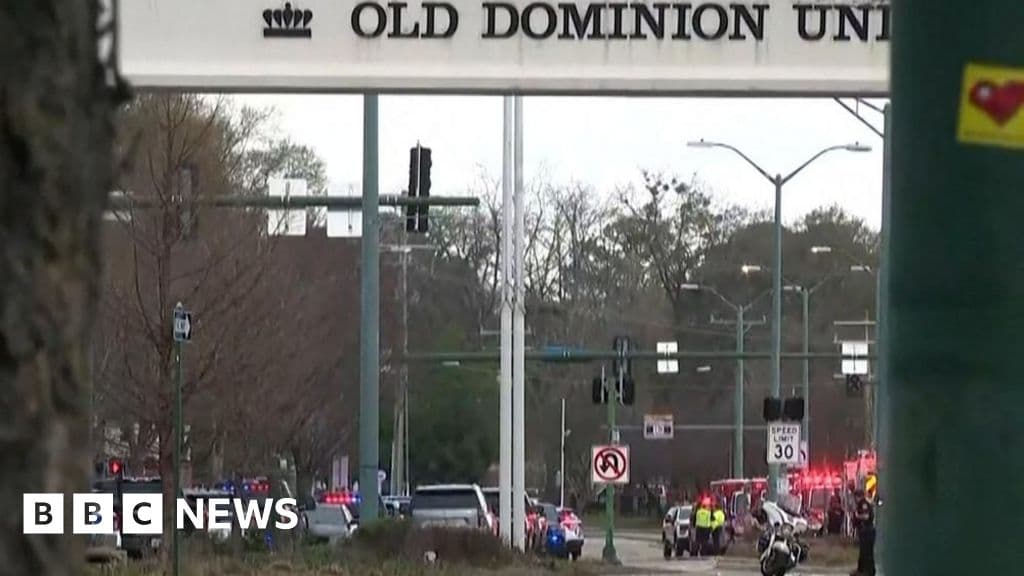
Convicted ISIS Supporter Shoots at Old Dominion University, Kills Army Officer
11 sources compared

Europol and DOJ Freeze $3.4–$3.5M, Dismantle SocksEscort Proxy Network That Compromised 369,000 Devices
13 sources compared

Ayman Ghazali dies of self-inflicted gunshot after attacking Temple Israel in Michigan
36 sources compared