Crime24 April, 20266 min read
Jeffrey Epstein Housed Women Who Say He Abused Them In London Flats After Met Declined Probe
This article is an automated aggregation of coverage from news outlets. Our editorials offer in-depth analysis curated by the NewsCord team.
Epstein housed abuse victims in four Kensington and Chelsea flats after police declined to probe. Receipts, emails, and bank records in Epstein files confirm the four flats.

London flats after Met inaction
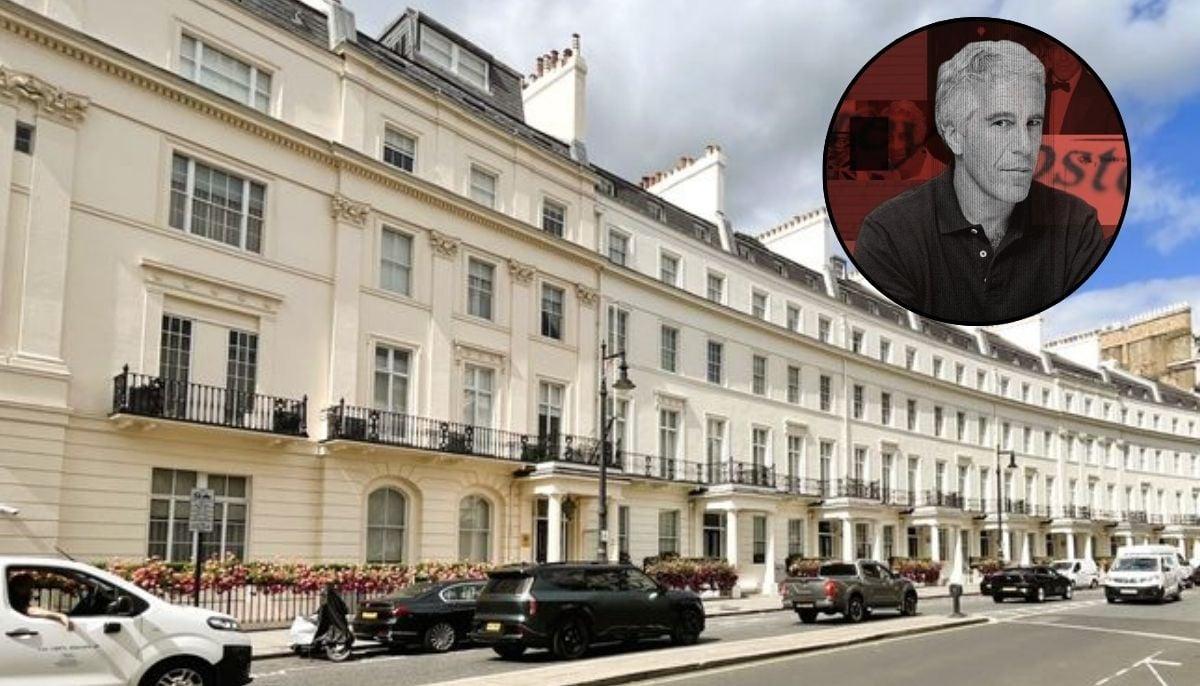
Jeffrey Epstein housed women who say he abused them in several London flats in the years after UK police decided not to investigate him, the BBC revealed. The BBC said it found evidence of four flats, rented in the affluent borough of Kensington and Chelsea, in receipts, emails and bank records contained within the Epstein files. The BBC reported that six of the women housed in them have since come forward as victims of Epstein's abuse.
It said many of them were brought to the UK after the Metropolitan Police decided not to investigate Virginia Giuffre's 2015 allegation that she had been a victim of international trafficking to London. The BBC added that the Met said it followed "reasonable lines of inquiry" at the time, interviewing Giuffre on multiple occasions following her complaint and co-operating with US investigators.

The Telegraph similarly said six women came forward to say they were held in at least four flats rented by Epstein in Kensington and Chelsea, and it described the properties as appearing in receipts, emails and bank records in the Epstein files. The Guardian also reported the BBC had uncovered evidence of four flats in Kensington and Chelsea and said six women who stayed in the properties accused Epstein of sexually abusing them.
How the operation worked
Across the reporting, the London flats are presented as part of a broader system that included coercion, recruitment, and cross-border movement. The BBC said some of the women housed in the London flats were coerced by Epstein to recruit others into his sex trafficking scheme, and it added that they were regularly transported to Paris by Eurostar to visit him, according to emails in the files. The BBC also described how the operation grew more extensive than was previously known, with more victims, established infrastructure such as housing, and frequent transportation of women across borders "right up to Epstein's death".
The Telegraph echoed the coercion and movement details, saying some women were coerced by Epstein to recruit others and that they were "regularly transported to Paris by Eurostar to visit him". EasternEye, drawing on the same BBC investigation, said records show Epstein forced some women living in the flats to recruit others and that he moved them regularly to Paris on the Eurostar train.

EasternEye further quantified the movement, saying the BBC investigation found that he bought at least 53 train tickets for women between 2011 and 2019, and that he purchased 33 of these tickets after Giuffre complained in 2015. The Guardian added more detail from the files, reporting that Epstein reportedly paid for at least five women to study in London and that it saw exchanges in which Epstein used aggressive language after the women apparently complained of the conditions.
Complaints, missed inquiries, and legal duties
The reporting ties the alleged UK inaction to Giuffre’s 2015 complaint and to later allegations that the Met did not pursue.
The BBC said the women were brought to the UK after the Metropolitan Police decided not to investigate Virginia Giuffre's 2015 allegation, and it described the Met’s position that it followed "reasonable lines of inquiry" while interviewing Giuffre on multiple occasions and co-operating with US investigators.
The BBC also said that by early 2020, a second woman had complained to the Met that she had been abused by Epstein in the UK, and it said it was not clear whether this complaint was acted on.
The Telegraph similarly said it emerged that a second woman had complained to the Met by early 2020 and that it was not clear whether this complaint was acted on.
Kevin Hyland, described by the BBC as a former senior detective with the Met who became the UK's first Independent Anti-Slavery Commissioner, told the BBC that police missed opportunities to investigate the convicted sex offender, saying, "People are outraged that somebody came forward and said, 'I was trafficked by this man', and yet he was just allowed to carry on. Who in the police made that decision?"
The BBC also quoted Hyland saying officers could have worked with travel companies to keep tabs on "the credit cards and IP addresses" of people who frequently booked tickets for groups of single women.
Tessa Gregory, a human rights lawyer with Leigh Day, told the BBC she was "staggered" no UK police investigation had ever been launched, and she said, "Where there are credible allegations of human trafficking, the UK state, even if no victims come forward, has a positive legal obligation to conduct a prompt, effective and independent investigation."
What the Met said and what others argue
The BBC and Telegraph both report the Met’s explanation for why it did not pursue a UK investigation, while other voices argue the force missed opportunities.
The BBC said the Met told it it followed "reasonable lines of inquiry" at the time, interviewing Giuffre on multiple occasions following her complaint and co-operating with US investigators.
It also reported that the Met said it recognised its duties within Article 4 of the European Convention on Human Rights and was confident these were fulfilled.
The Telegraph added that in statements issued between 2016 and 2025, the Metropolitan Police said it believed "that other international authorities were best placed to progress" the allegations about Epstein.
In contrast, Hyland told Radio 4’s Today programme that "The Met and other police forces perhaps, weren’t complying with what they’re required to do and investigating serious allegations of trafficking and sexual abuse."
He said, "In these cases, there were complaints. Virginia Giuffre made a complaint, and there were other women that the Met accepted in 2019 that had made complaints."
Tessa Gregory’s comments in the BBC report framed the issue as a legal obligation, saying, "Where there are credible allegations of human trafficking, the UK state, even if no victims come forward, has a positive legal obligation to conduct a prompt, effective and independent investigation."
Files, flights, and the question of reach
Beyond the London flats, the reporting describes how the Epstein files were compiled and what they show about movement and potential UK involvement.
The BBC said it searched through "millions of pages of records" gathered by the US Department of Justice in its investigation of the disgraced financier, and released as part of the Epstein files.

It said the investigation found British police had other opportunities to open an inquiry into Epstein's activities in the UK, in addition to Giuffre's complaint.
The BBC also said it found that Epstein was messaging a young Russian woman on Skype who was living in one of the London flats he paid for.
EasternEye reported that the BBC found over 120 private and commercial flights linked to Epstein coming to Britain, and it said investigators identified several people in the UK who worked for Epstein and Ghislaine Maxwell.
The Guardian reported that the files were released after the US House of Representatives passed the Epstein Files Transparency Act and the Senate unanimously approved it, with Donald Trump signing the bill into law the next day.
Hyland raised the possibility of ongoing involvement, saying, "Epstein's dead. But it's clear that he wasn't acting alone. Who else was involved and what offences could they have committed?"