
Technology and Science · 08 May, 2026 · 3 min read
Jeju Air Accepts Unpaid Leave for Cabin Crew After High Oil Prices Reduce Flight Operations
Jeju Air accepting unpaid leave applications from cabin crew amid high fuel prices Jeju Air is South Korea’s top low-cost carrier
Is the main problem jet-fuel shortages or just high prices?.
11 of 12 outlets skipped it: jeju Air offers one-month unpaid leave for crew participation..
12outlets compared
Same story, two versions
tap a side to read it in full
The Independent
“primarily driven by the high price of jet fuel, rather than any supply shortages.”Read the original ↗
OOilprice.com
“jet fuel shortages could hit Europe in June if the situation... does not improve”Read the original ↗
Changes how policymakers handle remedies: contracting vs stock management.
Unpaid leave spreads
Jeju Air, South Korea’s top low-cost carrier, said on 8 May it will accept unpaid leave applications from cabin crew members for one month next month, citing a “temporary reduction in flight operations caused by high oil prices” and surplus manpower.
“Jeju Air announced on the 8th that it will accept unpaid leave applications from cabin crew members”
The same article said the unpaid-leave trend began with T’way Air last month, and that AeroK, an LCC based in Cheongju, also began accepting unpaid leave applications from all employees as fuel expenses surged across the aviation sector.

Jeju Air also announced strong first-quarter (January–March) results, with first-quarter revenue under separate accounting standards reaching 498.2 billion Korean won, a 36.5% increase from the same period last year, and operating profit of 64.4 billion Korean won after a 35.7 billion Korean won operating loss in the first quarter of the previous year.
The report added that fuel costs typically account for around 30% of airlines’ operating expenses, and that the industry anticipates the burden of high oil prices due to the Iran war, which broke out at the end of February, will begin to reflect in the second quarter.
An aviation-industry source said, “Although Jeju Air recorded a profit in the first quarter, its move to implement unpaid leave appears to be a preemptive response to the potential deterioration of profitability in the second quarter.”
Who pays when flights cancel
In Europe, EU Sustainable Transport and Tourism Commissioner Apostolos Tzitzikostas told the Financial Times that airlines will have to reimburse passengers if they cancel flights due to jet fuel prices, saying, “if they cancel flights without extraordinary circumstances - jet fuel prices are not extraordinary circumstances - they will have to reimburse the people.”
The same interview said the spike in jet fuel prices is no extraordinary circumstance for canceling flights, and it pointed to the EU’s plan from last month to accelerate coordination among all member states to ensure the availability of jet fuel and diesel.
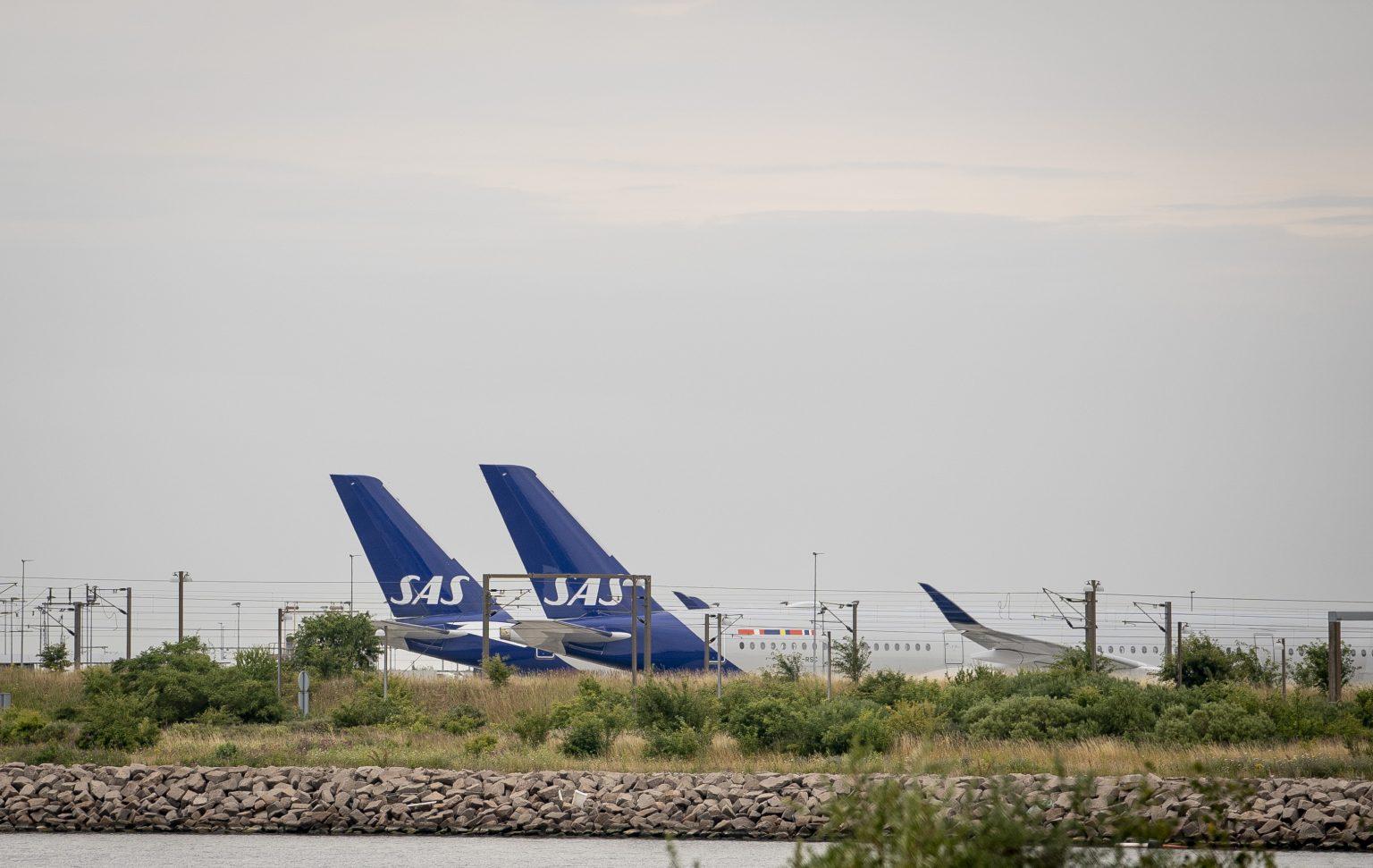
The Independent reported that around 13,000 flights were cancelled globally in May, resulting in two million fewer available seats, and said cancellations were driven by the high price of jet fuel rather than any supply shortages.T
It also cited Simon Calder’s framing that the 13,000 cancellations “constitutes a mere 1.5 per cent reduction in total worldwide aviation capacity,” while noting that Lufthansa and Turkish Airlines accounted for a substantial proportion of grounded services.
In the UK, The Independent said the government is “closely monitoring” jet fuel stocks, while airlines insisted they are “not currently seeing a shortage of jet fuel,” according to an update issued by the Department for Transport on Friday evening.T
Fuel security and SAF
As the Strait of Hormuz crisis tightens fuel flows, Climate Home News said traditional jet fuel has nearly doubled in price and that the cost gap between oil-based jet fuel and sustainable aviation fuel (SAF) has narrowed enough to potentially boost demand in the “struggling” SAF industry.
“higher jet fuel prices narrow the green premium”
Matt Ridley, sustainability and innovation director at the OneWorld airline alliance, told Climate Home News that “higher jet fuel prices narrow the green premium, reinforcing the role of SAF in cutting lifecycle emissions while reducing exposure to volatile fossil fuel markets.”
The same report said the European Union and the UK mandated that from January 2025 fuel suppliers at their airports must blend at least 2% SAF with oil-based kerosene, with the blending requirement gradually increasing to reach 32% in the EU and 22% in the UK by 2040.
It also reported that Susan van Dyk, a former academic turned SAF consultant, said a temporary narrowing of the cost gap is not, by itself, enough to make SAF take off, but that the energy crisis may push governments to support SAF.
In parallel, the report quoted IATA’s Marie Owens Thomsen saying the world is seeing “the highest jet fuel prices that we’ve ever had in the history of jet travel,” and it linked the crisis to oil refineries struggling to make a profit as demand for oil-based products like diesel declines.