Joseph Aoun Chooses Direct Negotiations With Israel To Save Lebanon During Ceasefire
Key Takeaways
- Lebanese President Joseph Aoun chose direct negotiations with Israel to save Lebanon.
- A Lebanese delegation will negotiate with Israel, led by Simon Karam.
- The move occurs as the ceasefire goes into effect to end the war.
Ceasefire and direct talks
Lebanese President Joseph Aoun said he chose a direct negotiation track with Israel as a ceasefire agreement between Lebanon and Israel took effect for 10 days, renewable, reached through American mediation after an escalation that began in March 2026.
“The war in the Middle East is now spreading to Lebanon”
Aoun told reporters that Lebanon faces two options—either the war continues with “catastrophic consequences” or negotiate to achieve stability—and he said he chose negotiation “with every hope of saving Lebanon.”
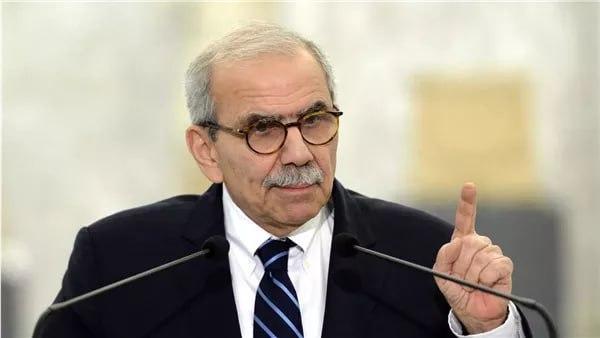
Rudaw reported that Aoun appointed former Lebanese ambassador to Washington Simon Karam to lead the negotiating delegation, stressing that the Lebanese state is the sole entity authorized to manage the file.
The Lebanese presidency statement cited by الجزيرة نت said bilateral negotiations with Israel will be led by a Lebanese delegation headed by Simon Karam, and that no one will negotiate on Lebanon’s behalf or replace the delegation.
In the same reporting, the ceasefire remained fragile as Israeli forces occupy land deep in southern Lebanon to establish a buffer zone, while Israeli warnings to around 80 villages were cited and Hezbollah announced the destruction of four Israeli Merkava tanks in an explosion of IEDs planted earlier by its fighters in southern Lebanon despite the ceasefire.
Hezbollah rejects negotiations
Samir Geagea, head of the Lebanese Forces Party, said Lebanon’s crisis is “not external alone, but internal first and foremost,” pointing to Hezbollah as a “(state within a state)” that controls national decision-making for four decades while the official state remains unable to impose its decisions and implement them.
Geagea argued that Lebanon is working on two parallel tracks—“a negotiating state that tries to manage the crisis, and a state within a state that holds the real decision-making power”—and he rejected linking solving the Hezbollah file with yielding to external dictates.

In a separate account, الجزيرة نت said Hezbollah and its supporters reject direct negotiations with Israel, just as they previously rejected the government’s 2024 decision to disarm the party.
The same report quoted Mahmoud Qamati, deputy head of Hezbollah’s Political Council, saying the negotiations the state is conducting do not mean the resistance and described them as a failure, stressing that “the military and sovereign decisions are drawn by the resistance on the ground and not by official bodies alone.”
Rudaw also described that Hezbollah opposes the official negotiation steps and warned of the repercussions of direct negotiations with Israel, even as the talks drew clear international support.
State authority and regional stakes
Lebanese Prime Minister Nawaf Salam called for Arab and international support for the direct talks his country is conducting with Israel, criticizing Hezbollah for dragging Lebanon into a senseless war and saying, “Any real salvation for Lebanon today cannot be achieved without a clear return to the logic of the state.”
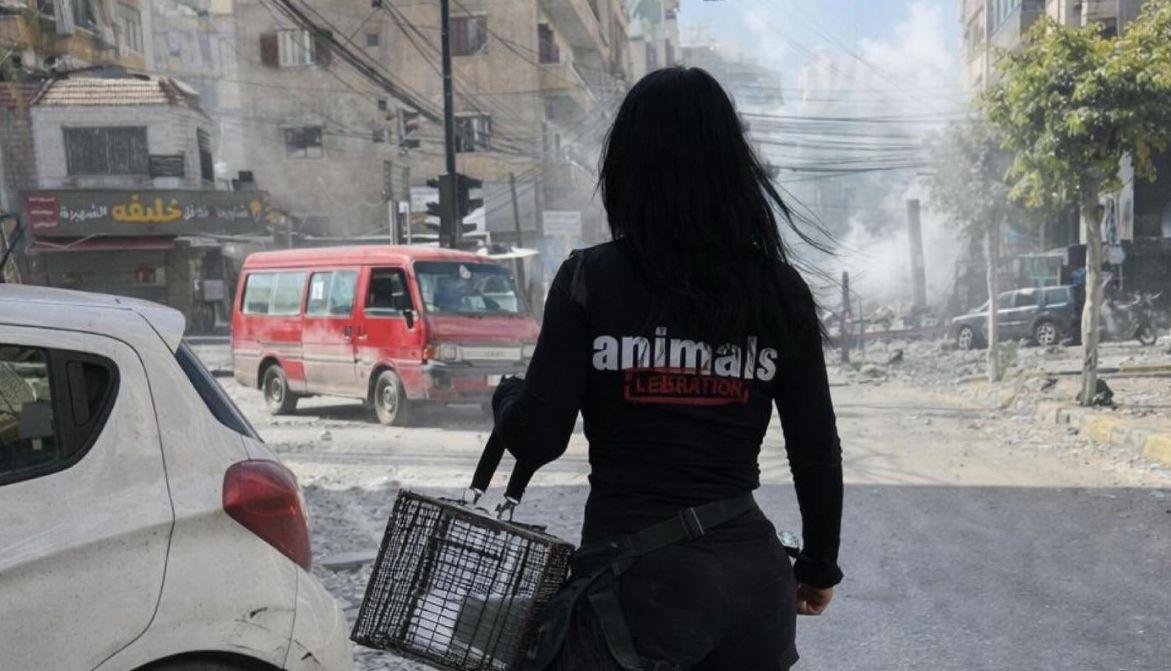
“At Nabatieh Hospital, in southern Lebanon, cries of distress drown out the sound of sirens”
Salam said in a veiled message to Hezbollah that “Enough senseless adventures in service of foreign projects or interests,” and he reaffirmed the need for Lebanon to have “one weapon,” which is the weapon of its national army.
سانا reported that Israeli attacks since the start of the war have killed more than 2,900 people in Lebanon, including more than 400 since the entry into force of the 17 April truce, according to the Lebanese Ministry of Health, and displaced more than a million.
RFI added that the Iranian delegation arrived in Islamabad for negotiations under the aegis of Pakistani authorities, with talks framed around Tehran’s “preconditions of Iran,” namely a ceasefire in Lebanon and the unfreezing of its assets before any discussion.
The same RFI report said Donald Trump told the New York Post that the U.S. military was preparing to carry out new strikes on Iran if discussions did not lead to an agreement, linking the Lebanon ceasefire to broader negotiations.
More on Lebanon

Trump Says Israel and Hezbollah Agree to Stop All Shooting After Netanyahu Talks
16 sources compared

Iran Suspends U.S. Talks Over Israel’s Lebanon Offensive as Trump Orders No Troops to Beirut
29 sources compared
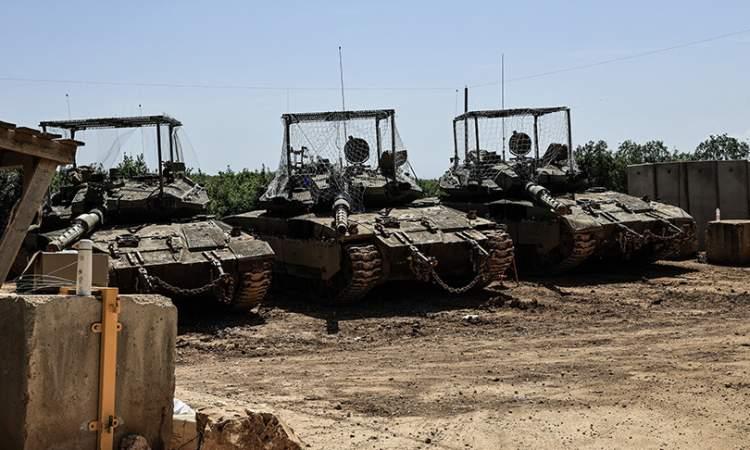
Hezbollah Targets Merkava Tanks East of Yahmor Al-Shuqayf and Near Dibin
11 sources compared
Trump Says Iran Talks Continue at Rapid Pace as Iran Suspends Negotiations and Threatens Other Fronts
20 sources compared