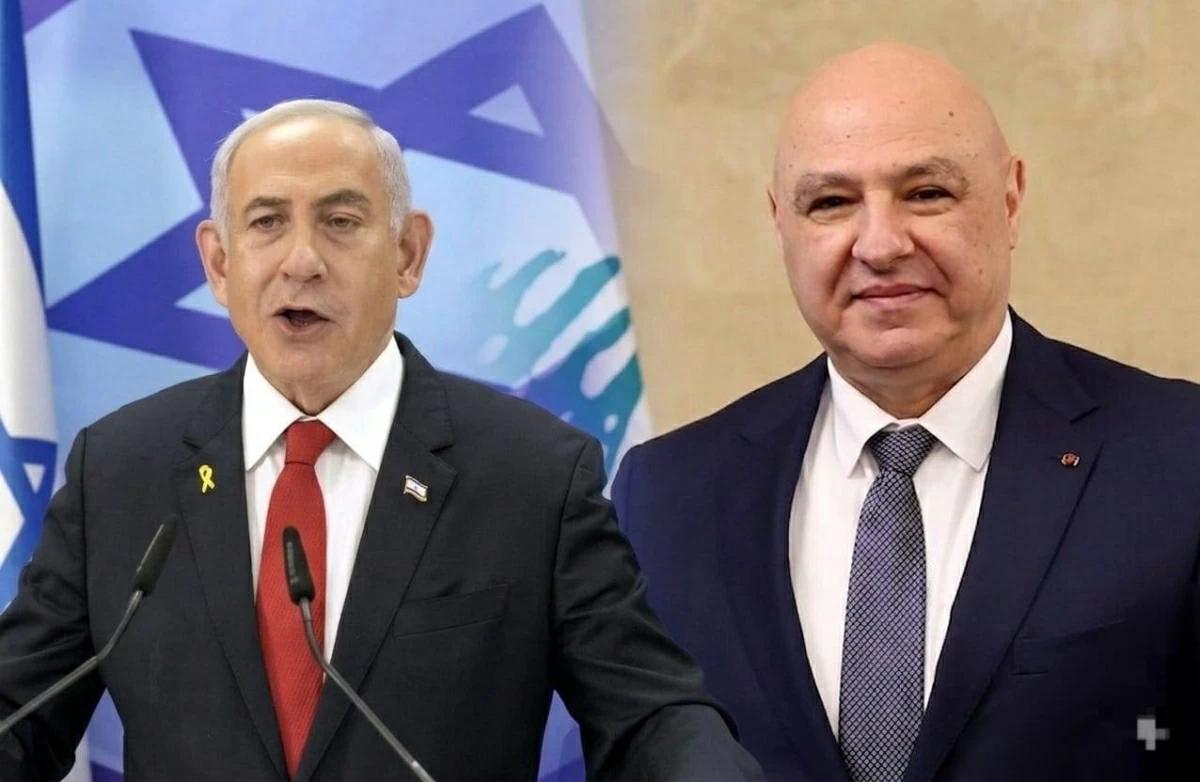
Joseph Aoun Rejects Meeting With Benjamin Netanyahu Until Security Deal Ends Israeli Attacks
Key Takeaways
- Aoun rejects Netanyahu meeting until a security agreement and Israeli attacks halt.
- U.S. embassy in Beirut urges direct Aoun–Netanyahu talks.
- Lebanon's leadership remains cautious amid security concerns and sovereignty debates.
Aoun sets the condition
Lebanese President Joseph Aoun said Monday that any security deal and an end to Israeli attacks must come before a meeting with Israeli Prime Minister Benjamin Netanyahu, a step sought by Washington.
In a statement relayed by Naharnet, Aoun’s office said he “reiterated his view that the timing is not appropriate now for a meeting” with Netanyahu, and quoted him saying: “We must first reach a security agreement and stop the Israeli attacks on us before we raise the issue of a meeting between us.”
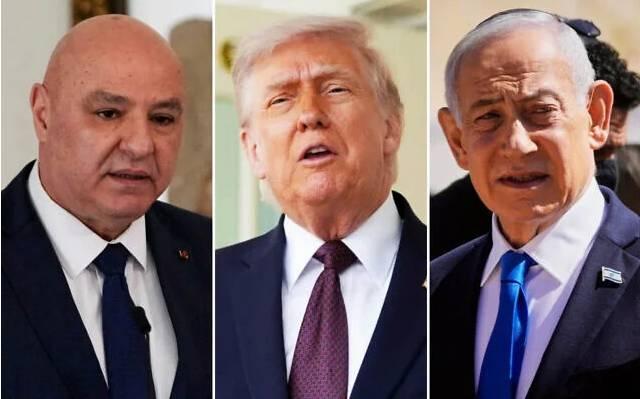
Türkiye Today carried the same core message, reporting that Aoun ruled out a Netanyahu meeting before “a security agreement is in place and Israeli attacks stop,” and adding that he stressed the goal was to ensure Israeli troops withdraw from Lebanon.
The Yaffa News Network framed Aoun’s position as a “no turning back” approach to “the path of direct negotiations with Tel Aviv,” while still insisting that “the timing is currently inappropriate” for a direct meeting with Netanyahu.
The New Arab described the U.S. push for a direct meeting as part of a wider pressure campaign, saying the U.S. piles pressure on Lebanon to hold a direct meeting between Aoun and Netanyahu.
Across the reporting, Aoun’s condition is presented as both a sequencing demand and a political safeguard, with his office emphasizing that “there is no turning back from the path of negotiations” while rejecting the meeting timing.
Washington’s push and the timeline
The debate over a possible Aoun-Netanyahu meeting is unfolding alongside a sequence of U.S.-mediated contacts and ceasefire steps described in multiple reports.
Türkiye Today said Israeli and Lebanese representatives met twice in Washington last month, the first such contacts in decades, after Iran-backed Hezbollah pulled Lebanon into the Middle East war on March 2 and triggered heavy Israeli strikes and a ground invasion.

It reported that after the first round, U.S. President Donald Trump announced a 10-day ceasefire in Lebanon starting April 17, later extended by three weeks after the second round, and that a third round of preparatory talks was expected in the coming days, according to Aoun’s office.
The New Arab added that the reports of a possible White House meeting come as tensions remain high along the Lebanese-Israeli border, with continued Israeli strikes and detonations in southern Lebanon, and it stated that the ceasefire announced on 26 April expires on 17 May.
Al Jazeera’s Arabic-language report said the U.S. embassy in Beirut urged holding a direct meeting between Aoun and Netanyahu, deeming that “the time for hesitation is over,” and it described the embassy statement as saying the meeting would be facilitated by U.S. President Donald Trump.
In parallel, The New Arab reported that on Monday the U.S. envoy to Lebanon Michel Issa downplayed the significance of a meeting at a press conference near Beirut, saying “Netanyahu is not a monster,” while Today’s Western Mainstream account quoted Issa defending the idea as “would not constitute a defeat or a concession.”
Hezbollah rejects direct talks
Hezbollah’s leadership and allied figures rejected the idea of direct negotiations and attacked the diplomatic framing coming from Washington and from Lebanese political actors who support talks.
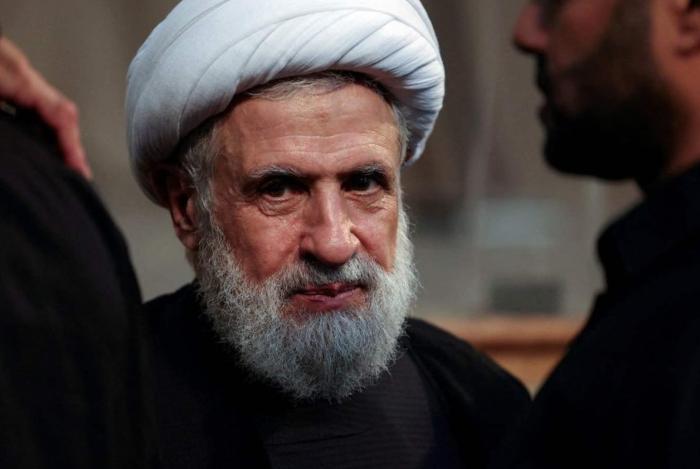
Türkiye Today reported that Hezbollah has rejected direct negotiations and also opposed Beirut’s earlier commitment to disarm it, and it quoted Hezbollah chief Naim Qassem criticizing the idea on Monday, saying it would put Lebanon “under tutelage” and calling instead for diplomacy that leads to an end to the war.
Türkiye Today also quoted Qassem saying: “Direct negotiations are a gratuitous concession, without results,” and it described clashes Monday between Hezbollah fighters and Israeli soldiers near Deir Seryan in south Lebanon, inside the Israeli-declared “yellow line,” where Lebanese residents have been told not to return.
The Israeli military confirmed the clashes and said two IDF soldiers were moderately injured in a close-quarters encounter and were taken to hospital, according to Türkiye Today.
In the same dispute over the meeting, صحيفه الخليج reported that Hezbollah Secretary-General Na’im Qassem renewed his party’s rejection of direct negotiations, calling it a gratuitous concession with no fruits, and it quoted him saying: “there is no ceasefire in Lebanon, only ongoing Israeli aggression; Lebanon is the one being attacked, and it needs guarantees for its security and sovereignty.”
Today’s Western Mainstream account said Hezbollah MP Ali Ammar lashed out at Issa’s remarks, denouncing “the blatant interference of the U.S. ambassador in Beirut in Lebanese affairs,” and calling on the state to “declare [the ambassador] persona non grata.”
Lebanon’s internal split and competing proposals
While Hezbollah rejected direct negotiations, other Lebanese political figures and international actors described alternative ways to manage the meeting question and the ceasefire monitoring.
The New Arab said a growing chorus of Lebanese and Arab figures warned against the costs of a direct meeting, and it quoted Arab intellectual Azmi Bishara cautioning Lebanon against “the political and strategic risks of such a move,” adding that Netanyahu is “a wanted war criminal by the International Criminal Court.”

It also quoted Bishara arguing that Netanyahu “is not concerned with a ceasefire” and instead sees Lebanon as the party that “must pay a price” for it, and it warned that Israeli withdrawal to internationally recognised borders would come only in exchange for a peace agreement that would go beyond normalization to include alignment against Hezbollah.
In parallel, The Cities report said Lebanon was working to avoid an Aoun-Netanyahu meeting through “numerous proposals” among Lebanon, the United States, several Arab and Western countries, and Israel, and it described discussions to reactivate the ceasefire Monitoring Mechanism.
The Cities account said the swift visit to Beirut by Joseph Clairfield and his meeting with Army Commander Rudolf Haikal were part of efforts to revive the committee’s work as an alternative to the continuation of Israeli military operations.
Today’s Western Mainstream account added that Lebanese Forces MP Sethrida Geagea expressed support on Monday for direct negotiations with Israel after meeting President Aoun, saying that “If we have arrived at negotiations, it is because of Hezbollah's involvement in the war to defend another country, and not out of any desire for negotiation,” and that the talks are meant to “secure Israeli withdrawal, end cycles of violence and death, and secure the state's sovereignty.”
Stakes: sovereignty, ceasefire, and violence
The reporting repeatedly ties the meeting dispute to the stakes of sovereignty, ceasefire enforcement, and ongoing violence despite ceasefire announcements.
Al Jazeera’s report said the U.S. embassy statement framed Lebanon as “at a crossroads” and said a direct meeting between Aoun and Netanyahu, facilitated by Donald Trump, “will give Lebanon the opportunity to obtain tangible assurances regarding its full sovereignty and territorial integrity and guarantees of its borders, humanitarian support, reconstruction, and the reassertion of the state's full authority over every inch of its territory, under the guarantee of the United States.”

It also said Trump expressed expectations that the next meeting between the Lebanese and Israeli presidents would come to Washington during the extended ceasefire period, while Lebanese officials ruled it out due to Israel’s occupation of 6% of Lebanese territory and its continued raids there, according to Axios.
Türkiye Today said Israeli strikes have killed almost 2,700 people in Lebanon since March 2, with dozens reported even after the ceasefire began, and it described the continuing clashes near Deir Seryan.
The New Arab reported that Israel has killed over 2500 Lebanese since the current round of fighting began on 2 March, and it said the ceasefire announced on 26 April expires on 17 May and Israel has violated it thousands of times.
The Cities report further described how reactivating the Monitoring Mechanism would require the Lebanese army’s willingness to dismantle Hezbollah’s military and security infrastructure, making the monitoring mechanism itself a central battleground for what comes next.
More on Lebanon
Israeli Forces Clash With Hezbollah in Southern Lebanon, Wounding Two IDF Soldiers
10 sources compared
Hezbollah Secretary-General Naim Qassem Says No Ceasefire in Lebanon, Cites Israeli-American Aggression
15 sources compared

Hezbollah Vows to Thwart Lebanon-Israel Talks as Rockets and Drones Hit Israeli Troops
15 sources compared

Israel Applies the Gaza Model in Southern Lebanon, Razes Towns and Villages Near Bint Jbeil
17 sources compared