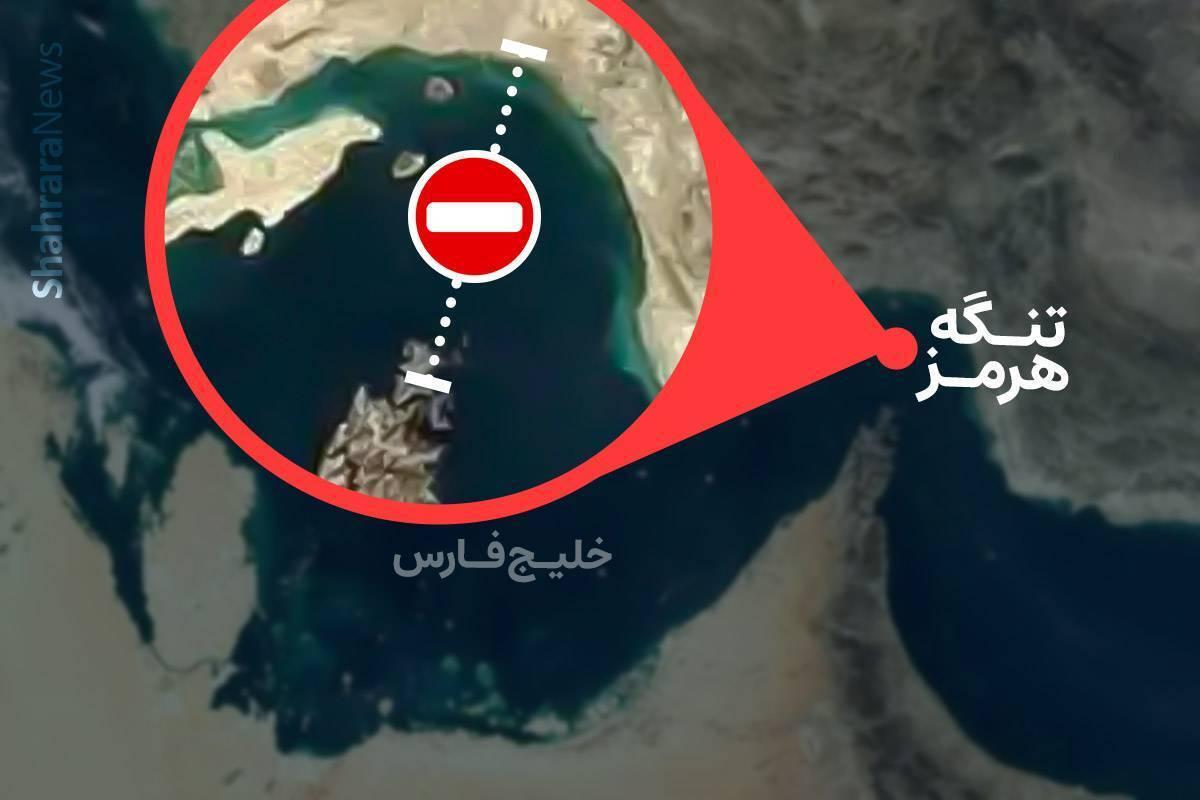
J.P. Morgan Warns Sequential Oil Shock as Strait of Hormuz Closure Hits Global Supply
Key Takeaways
- Hormuz closure halts oil and gas exports.
- About 20% of global crude and LNG supply is disrupted.
- Global economy faces risk, energy officials and media warn.
Oil Shock Timeline
J.P. Morgan warned of a sequential oil shock triggered by the closure of the Strait of Hormuz.
“Energy Crisis in the Persian Gulf; $50 Billion in Damages Following the Closure of the Strait of Hormuz The closure of the Strait of Hormuz amid the Middle East crisis, with the halt of oil and gas exports, delivered a heavy $50 billion shock to the economies of the Gulf states”
The energy system has entered a critical phase since the last flow departed on February 28.

Asia would be the first to face supply shortages, with impact spreading sequentially to Europe and the Americas.
Economic Damage and Policy Responses
The closure of the Strait has delivered a heavy economic shock to Gulf states.
Governments worldwide have implemented energy-saving measures.

The IEA planned to release 400 million barrels from reserves.
Historic Scale Crisis
The IEA described the crisis as the greatest energy security threat in history.
“You’re out of free articles”
Marine transportation expert warned implications could be more severe than the 1970s.
The market was short by about 400 million barrels, driving prices 50 percent higher.
Global Supply Chain Ripple Effects
Failure to reopen the Strait could lead to unprecedented price increases.
Global industries began feeling the pain from cascading disruptions.
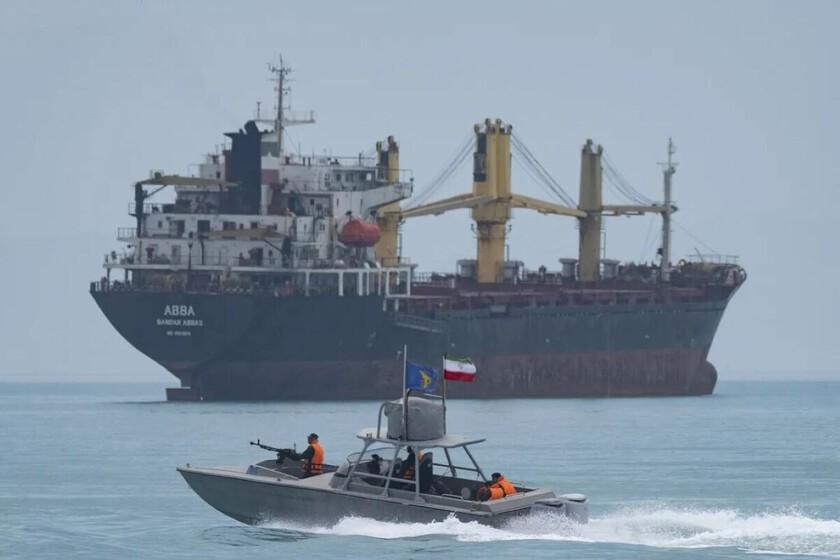
The oil-supply crisis was spreading into other parts of the global economy.
More on Finance
IMF Report Highlights Tokenization's $27B Growth, Efficiency Boost, and New Risks
10 sources compared

Global Oil Soars Past $100 as US-Israeli War Shuts Hormuz
17 sources compared
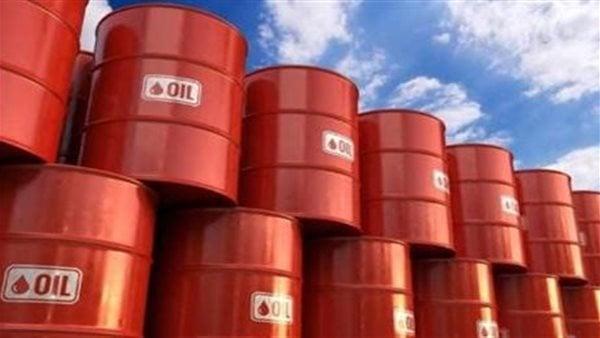
African Fuel Prices Surge Amid Middle East War Disruptions
10 sources compared
US Temporarily Lifts Iran Oil Sanctions, Indian Refineries Prepare to Buy
10 sources compared