
Judge Alvin Hellerstein Denies Maduro and Flores' Dismissal Bid, Keeps Narcoterrorism Case Alive
Key Takeaways
- Maduro and wife Cilia Flores return to Manhattan federal court on narco-terrorism charges.
- Judge Alvin Hellerstein refused to dismiss the case.
- Indictment ties Maduro to narco-terrorism and cocaine importation.
Judge refuses to dismiss case
The single most important new development is Judge Alvin Hellerstein’s decision to deny Maduro and Flores’ bid to dismiss the indictment, thereby keeping the narcoterrorism case alive and moving the matter into pre-trial motions rather than a swift dismissal.
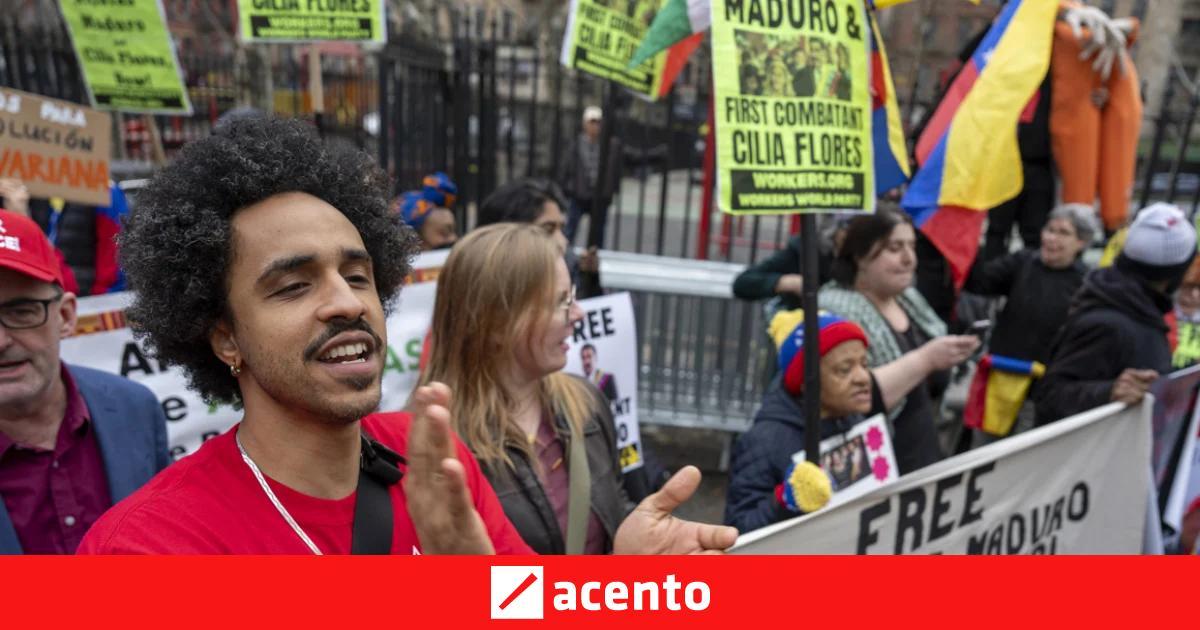
“Two groups of protesters clashed on Thursday and moments of tension outside the federal courthouse in New York, hours before the ousted Venezuelan president Nicolás Maduro and his wife, Cilia Flores, appear again before the U”
The ruling confirms the court will continue to adjudicate pre-trial issues, with no trial date set yet, signaling that the proceeding will revolve around motions rather than an immediate verdict.
Separately, the court appears poised to resolve the funding dispute over whether the Maduro government can pay the defendants’ legal costs, a fight that could affect who represents them in court.
Reports from multiple outlets flag the funding clash as a central, ongoing confrontation between defense and prosecutors: the OFAC license to pay defense fees was described as granted and later revoked as an administrative issue.
The development underscores how the case sits at the intersection of U.S. criminal procedure and international sanctions policy, shaping how both the defense and the government approach the charges and the money behind representation.
Funding dispute specifics
The central dispute centers on whether Caracas may fund Maduro’s defense, with the defense arguing sanctions block such payments.
Prosecutors say the initial license to pay defense fees was an 'administrative error' and that ongoing sanctions prevent funding from the Venezuelan state.

The defense asserts that blocking such access violates the Sixth Amendment right to counsel.
Maduro’s U.S. attorney has argued for permission to use state funds or to switch to a court-appointed attorney if funds are blocked.
Protective order sought
Prosecutors formally sought a protective order to restrict sharing sensitive discovery with co-defendants on the run.
“The former president of Venezuela, Nicolás Maduro, who has been detained for 80 days in New York, appeared for just over an hour this Thursday before the Southern District Court of New York”
The U.S. government argued that disclosure risks witness safety and could enable intimidation.
The defense pressed to ensure Maduro's right to counsel and access to evidence; the judge did not issue a ruling at the hearing.
Charges and immunity context
The indictment accuses Maduro of narco-terrorism conspiracy, cocaine importation conspiracy, and weapons offenses.
The case traces a long-running relationship with designated terrorist organizations and criminal cartels as part of the so-called Cartel of the Suns.

Some outlets emphasize Maduro's status as a head-of-state with disputed legitimacy; the U.S. does not recognize him, complicating immunity questions.
Other charges include involvement with foreign terrorist organizations and that he used state power to promote illegal activity.
Public and regional framing
Outside the courthouse, two groups clashed as protesters in support of and against Maduro multiplied, illustrating a real-time, non-neutral street context.
“The judge overseeing the case against the ousted Venezuelan president Nicolás Maduro and his wife, Cilia Flores, rejected on Thursday, March 26, to dismiss the case, as his lawyers had requested”
Spanish-language outlets describe Maduro's second hearing as 'second hearing' and mention charges.

Non-Western outlets emphasize the political dimension and the U.S. use of military operation to capture him.
The coverage shows how sanctions policy, not just legal fact, shapes the case's framing.
More on Crime

Sheriff Arrests Tiger Woods On DUI Suspicion After 0.0 Breath Test, Refused Urine Sample
180 sources compared

Snaresbrook Crown Court Sentences Matvei Rumiantsev to Four Years, Possible Deportation
16 sources compared

Argentina Designates CJNG As Terrorist Organization, Registers It In RePET To Enable Sanctions
27 sources compared

U.S. Unseals Indictments Charging Alen Zheng, Sister In Custody Over MacDill Device
10 sources compared