
Judge Alvin Hellerstein Refuses To Dismiss Maduro Narcoterrorism Case, Probes Defense Funding Alternatives
Key Takeaways
- Judge Alvin Hellerstein refuses to dismiss Maduro narcoterrorism indictment.
- Hellerstein weighs Venezuela funding defense; sanctions block state funds from paying legal fees.
- Maduro and Flores appeared in New York court; Maduro was shackled during hearing.
New development on case viability
New development: Judge Alvin Hellerstein explicitly refused to dismiss Nicolas Maduro’s narcoterrorism case on the funding question, signaling that the weaponization of sanctions to block Venezuelan funds may not automatically derail the indictment.
“El juez que supervisa la causa criminal contra Nicolás Maduro, Alvin Hellerstein, dejó claro este jueves en la segunda visita del exdictador venezolano a los juzgados de Nueva York que no desestimará los cargos, como ha solicitado la defensa”
In a morning that foregrounded procedural questions over substance, Hellerstein stated, 'I’m not going to dismiss the case,' while probing whether there are viable alternatives to financing Maduro’s defense given OFAC’s license twists.
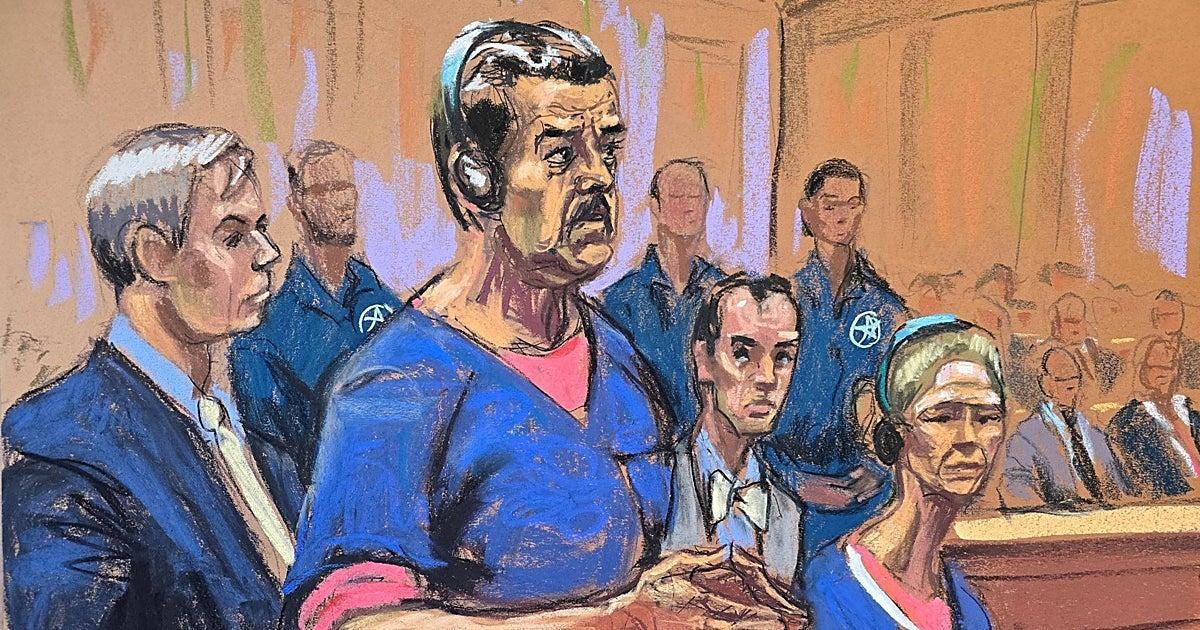
He underscored the gravity of the charges by reiterating that 'the right to defend is paramount,' and he appeared to acknowledge that U.S.-Venezuela relations have shifted since the arrest, quipping that 'things have changed in Venezuela' as Washington has, in effect, moved back toward some cooperation.
Outside the courtroom, Al Jazeera reported that the judge also noted Maduro and Flores 'present no further national security threat,' a remark that frames the case as a unique, not-repeatable legal situation.
Taken together, the development shifts the narrative from a potential dismissal to a prolonged, technically intricate pretrial phase with a live debate over whether sanctions policy can or should be overridden to secure adequate defense, a point one would expect to evolve as OFAC decisions unfold.
Funding dispute intensifies
Substantive focus shifts to the funding dispute itself, with Maduro’s team pressing for Venezuelan government funds to be released to cover private legal counsel and the Treasury’s licensing hurdles under OFAC.
The defense argued that the February license reversal—initially permitting Venezuela to pay Maduro’s fees and then pulling back hours later—strands them in contravention of the Sixth Amendment, while prosecutors countered that sanctions are an instrument of national security and foreign policy.

The court’s line of questioning already suggested a potential middle ground: Maduro’s lawyers proposed that a court order or an alternative licensing arrangement could unfreeze funds to avoid a constitutional crisis.
The judge acknowledged that the context has shifted since Maduro’s capture, with signals that Washington is engaging in some re-composition of its Venezuela policy, a point the defense framed as undermining the independent efficacy of sanctions.
Prosecutors asserted that Maduro and Flores could rely on personal funds; the defense contends that sanctions-struck funding is unavailable or insufficient to mount a robust defense.
Geopolitical frame complicates case
Contextual shifts in Caracas and Washington cast the proceedings in a broader geopolitical frame, with Maduro’s de facto replacement and a thaw in relations complicating the sanctions narrative.
“Ousted Venezuelan President Maduro returns to court, judge says he won't dismiss case Maduro was shackled at the ankles in federal court on Thursday”
Al Jazeera and France 24 highlighted the evolving political context, noting that Delcy Rodríguez has moved to reshape Venezuela’s leadership and reintegrate with the U.S., while Trump signaled potential new charges.
The judge’s comment—'things have changed in Venezuela'—landed against the premise that sanctions alone can define outcomes in this case, suggesting the court will assess not only the narcoterrorism facts but also international-law and diplomatic dimensions.
The coverage shows a split between Western and non-Western outlets in emphasis: due process and defense rights versus geopolitical stakes tied to sanctions and regime change.
In Caracas, Maduro’s backers and opponents remain mobilized, adding pressure on the judicial process as the government signals a broader normalization of ties with Washington.
Future steps & potential paths
Longer-term implications swirl around how the case may proceed if licensing barriers persist or are resolved, with potential outcomes including continued discovery, a possible public-defense fallback, or a negotiated interim arrangement to unlock funds without overturning the indictment.
The Times’ coverage points to the possibility that the judge’s next move could be to push the Treasury to revisit OFAC’s stance, given that relations have evolved since the January capture.

Politico frames the moment as a test of executive-branch leverage over sanctions versus a defendant’s Sixth Amendment rights, suggesting that a cross-cutting solution—rather than outright dismissal—might emerge.
AP and Reuters report that no trial date has yet been set and that the court will continue to weigh evidentiary issues and the feasibility of defense funding, indicating a lengthy, technically dense phase ahead.
The larger takeaway is that this case is shaping a potential jurisprudential pathway for how courts handle foreign-leader prosecutions under sanctions regimes in a climate of shifting U.S.-West Asia and West-Atlantic diplomacy.
More on USA

7th Circuit Upholds Illinois Protect Illinois Communities Act Ban on Semiautomatic Guns
12 sources compared

Indiana State Police Trooper Justin Heflin Shot During Pursuit; Suspect Kevin W. Meyers Found Dead
10 sources compared

Donald Trump Fires Election Assistance Commission Members, Leaving No Commissioners
12 sources compared

Eight Accused Of Planning Terror Attack At Casa Blanca UFC Freedom 250 Event
18 sources compared