
Judge JP Boulee Doubts Fulton County Can Force Return Of Seized 2020 Ballots
Key Takeaways
- Judge Boulee expressed skepticism about ordering the return of seized 2020 ballots.
- The FBI seized more than 650 boxes of Fulton County 2020 ballots in January.
- Fulton County argues for return while expert witnesses criticize the FBI affidavit's validity.
Judicial doubt on ballot return
The single most important new development is Judge JP Boulee’s explicit skepticism that Fulton County can force the return of seized 2020 ballots, a posture that keeps the materials in federal custody as the case moves through court.
“en EnglishUnited States Deutsch English Español Français Italiano العربية All languages Afrikaans azərbaycan bosanski català Čeština Cymraeg Dansk Deutsch eesti EnglishUnited Kingdom EspañolEspaña EspañolLatinoamérica euskara Filipino FrançaisCanada FrançaisFrance Gaeilge galego Hrvatski Indonesia isiZulu íslenska Italiano Kiswahili latviešu lietuvių magyar Melayu Nederlands norsk o‘zbek polski PortuguêsBrasil PortuguêsPortugal română shqip Slovenčina slovenščina srpski (latinica) Suomi Svenska Tiếng Việt Türkçe Ελληνικά беларуская български кыргызча қазақ тілі македонски монгол Русский српски Українська ქართული հայերեն עברית اردو العربية فارسی አማርኛ नेपाली मराठी हिन्दी অসমীয়া বাংলা ਪੰਜਾਬੀ ગુજરાતી ଓଡ଼ିଆ தமிழ் తెలుగు ಕನ್ನಡ മലയാളം සිංහල ไทย ລາວ မြန်မာ ខ្មែរ 한국어 日本語 简体中文 繁體中文 繁體中文香港 Sign in Sign in”
In the Friday evidentiary hearing, Fulton County’s case hinges on a claim that the DOJ acted with improper justification, while key witnesses for the defense argued the FBI affidavit rests on misinformation and lacks a factual basis.

NBC News summarized the dynamic by reporting that the elections expert testified there was “no basis in reality for most of the witness statements,” and that there was “missing information” in the record.
The Guardian amplified the procedural tension, noting Fulton County’s argument that “the only element that turns the election into a crime is intent, and nothing in the affidavit shows intent,” signaling Boulee’s willingness to scrutinize the underlying evidence rather than grant a broad return.
Across coverage, the hearing is framed as a critical test of whether a magistrate’s probable-cause determination can be overcome by alleged misstatements or omissions in the affidavit.
The Hill captured the procedural stakes by noting Boulee planned to hear arguments on Fulton County’s demand to return the seized ballots, underscoring that the judge has not yet committed to a remedy.
Remedy and Rationale
Fulton County seeks the return of the original 2020 ballots and related materials seized in January, while urging the court to require the DOJ to preserve copies without reviewing them until the dispute is resolved.
Fulton County argued the seizure was improper and demonstrated a ‘callous disregard’ for Fourth Amendment protections, but DOJ lawyers countered that the government must retain evidence for an active investigation.

"to maintain, but not review, any copies of the seized materials" — Fulton County’s filing on how copies should be handled while the case proceeds.
Justice Department arguments have been framed as protecting an ongoing investigation, with PBS warning of potential precedents that could constrain local election administration.
Warrant basis under fire
A third, subtler development is how the warrant’s basis is being attacked: the defense contends the FBI’s affidavit relied on sources and citations that mischaracterized how Fulton County elections operate and on witnesses whose credibility has been questioned in other courts.
“Judge appears skeptical of Fulton County's case for return of seized 2020 ballots Fulton County has sued the administration following the FBI's January raid”
NBC News reported that the witnesses the government cited used 'contradictory terminology' and reflected a misunderstanding of election mechanics, undermining the affidavit’s claims.
The Guardian described the underlying filing as relying on testimony from eleven witnesses who have repeatedly been debunked in other venues, suggesting a fragile evidentiary foundation.
Democracy Docket emphasized that Special Agent Hugh Raymond Evans reportedly presented 'misleading and long-discredited election fraud claims' from conspiracy theorists to support the warrant.
The New York Post noted that the referral originated with Kurt Olsen, a Trump ally who sought to overturn the election, underscoring political entanglement in the evidentiary background.
Le Monde adds international context by noting how such claims and procedures were framed amid broader debates about the 2020 election and its aftermath.
Implications for federal-local power
Boulee’s signaling could constrain federal leverage over local election administration, especially when the government seeks access to sensitive ballots years after the election.
PBS warns that the ruling could set a precedent for federal interference in local election administration, a concern echoed by Fulton County about Fourth Amendment protections.

The Guardian frames the question as about intent and the evidentiary basis used to justify the search, suggesting potential limits to the government’s evidentiary approach.
Democracy Docket emphasizes the privacy implications for voters and the impact on state autonomy when a federal process controls election records.
International coverage, including Le Monde and Le Parisien, shows how domestic enforcement actions can reverberate beyond U.S. borders and fuel cross-Atlantic scrutiny.
International optics of the raid
Reuters-cited coverage in the New York Post notes that the January 28 operation occurred with Tulsi Gabbard, then Director of National Intelligence, present at the Fulton County facility.
“Attorneys for Fulton County, Georgia, argued in federal court Friday that an FBI agent who filed an affidavit in support of a search warrant of the county clerk's office for 2020 election ballots omitted information about the election and how it was conducted in the county”
Le Monde highlights the unusual publicity surrounding Tulsi Gabbard’s presence, signaling how such actions intersect with broader perceptions of U.S. democracy and accountability.
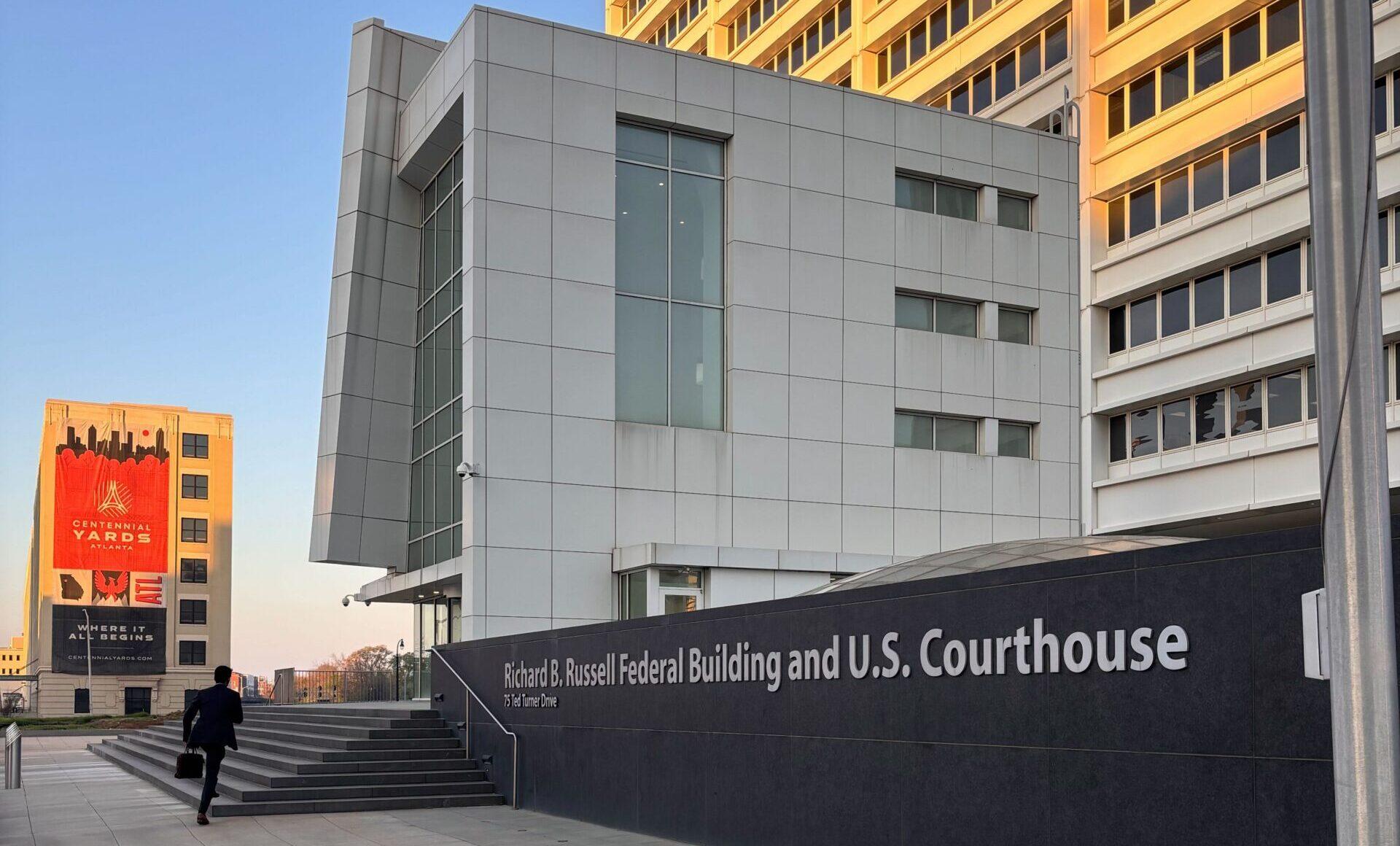
The domestic press frames this moment as part of Trump-era efforts to pressure electoral processes, linking the raid to wider debates about the integrity of elections and intelligence involvement in domestic investigations.
This transatlantic framing raises questions about the appropriateness and boundaries of high-level political actors at election sites and whether such visibility influences judicial neutrality or public trust.
More on USA

House Republicans Move To Fund Entire DHS Through May 22, Demand Voter-ID And Immigration Reforms
12 sources compared
House Republicans Reject Senate DHS Package, Advance Eight-Week Funding Excluding ICE And CBP
10 sources compared
Authorities Say TDOT Dump Truck Did Not Contribute to Kenwood Middle School Bus Crash
24 sources compared

California Governor Gavin Newsom Bans Appointees, Associates From Betting On Prediction Markets Using Confidential Information
10 sources compared