Jury restriction plan clears first hurdle despite Labour dissent
Key Takeaways
- MPs voted to advance a bill curbing jury trial access in England and Wales
- Courts and Tribunals Bill passed 304 to 203, a majority of 101
- Ten Labour MPs rebelled and dozens of Labour MPs abstained
Vote and outcome
MPs voted to allow the Courts and Tribunals Bill to progress after its second reading, passing the motion by 304 votes to 203, a majority of 101, with 10 Labour MPs rebelling against the government and dozens abstaining.
“- Published MPs have voted to allow a bill that would curb access to jury trials in England and Wales to progress to the next stage, despite some Labour MPs stating their opposition to the reforms”
The vote covered the overall principles of the measures in the bill and followed a Commons debate in which divisions within Labour were evident.
There were 90 Labour MPs listed as no vote recorded, which the article says can mean abstention.
The bill's passage at this stage leaves its fate dependent on whether enough Labour MPs continue to rebel at later stages.
Victims and Labour split
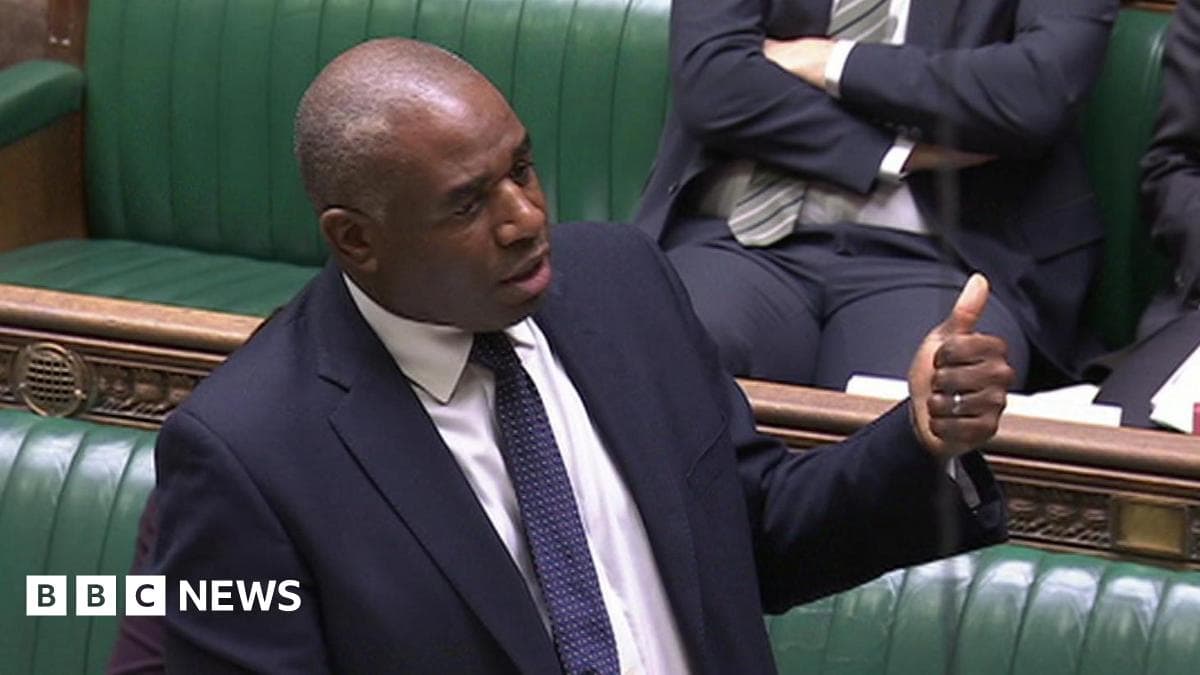
The debate featured emotional interventions from MPs, including Justice Secretary David Lammy pleading with Labour colleagues to support the reforms and several Labour MPs criticising both the changes and Lammy.
Labour MP Charlotte Nichols waived her right to anonymity as a victim of rape, saying she waited 1,088 days to go to court and that experiences like hers felt "weaponised" in the debate; she said the man was acquitted in a criminal court but she was given compensation after a civil case found she had been raped.
Dozens of female Labour MPs wrote to Lammy urging the government to "remain steadfast in your pursuit of the much-needed reform and modernisation of our justice system."
Labour MP Natalie Fleet, who signed the letter and has previously spoken about being groomed and raped, told MPs the changes were about enabling victims and innocent parties to have a more efficient path to justice and asserted "This is not about denying anybody justice."
Reforms and rationale
The proposed measures, announced after a review by retired judge Sir Brian Leveson, would scrap jury trials in England and Wales for crimes that carry a likely sentence of less than three years and push more work to volunteer community magistrates who already handle the majority of cases.
“- Published MPs have voted to allow a bill that would curb access to jury trials in England and Wales to progress to the next stage, despite some Labour MPs stating their opposition to the reforms”
The changes would give magistrates the power to hear cases with a maximum sentencing range of up to 18 months and create a back-up power to allow them to sentence up to two years, held in reserve.
Lammy, who the article identifies as also the deputy prime minister, argued the reforms would free up "thousands of hearing days" in crown courts for more serious cases, warned the backlog could jump from just under 80,000 cases currently to 200,000 by 2035, and said Labour had inherited a court system "close to breaking point" after previous cuts under the Conservatives.
Opposition and implications
Critics across and beyond Labour called the bill rushed, unfair or ineffective.
Labour rebel Nadia Whittome said the government's plan was a "short-termist cost-cutting measure, which will further entrench discrimination and inequality," and Labour MP Karl Turner called the bill "unworkable, unpopular, unjust and unnecessary" while choosing to abstain after being promised a "meaningful" review period; Turner said he was confident "the worst parts of this bill" would be defeated later.
Conservative shadow justice secretary Nick Timothy accused the government of "rushing" changes "at breakneck speed," saying the bill was published less than two weeks ago after no consultation.
Liberal Democrat justice spokeswoman Jess Brown-Fuller argued limiting jury trials "won't shift the dial" on the Crown Court backlog and called jury trial "one of the only parts of our justice system that is still actually trusted."
The article frames the bill as a stern test of Prime Minister Sir Keir Starmer's ability to get his MPs behind controversial reforms.
More on Britain

DoJ Releases Photos of Former Prince Andrew, Peter Mandelson in Bathrobes With Jeffrey Epstein
13 sources compared
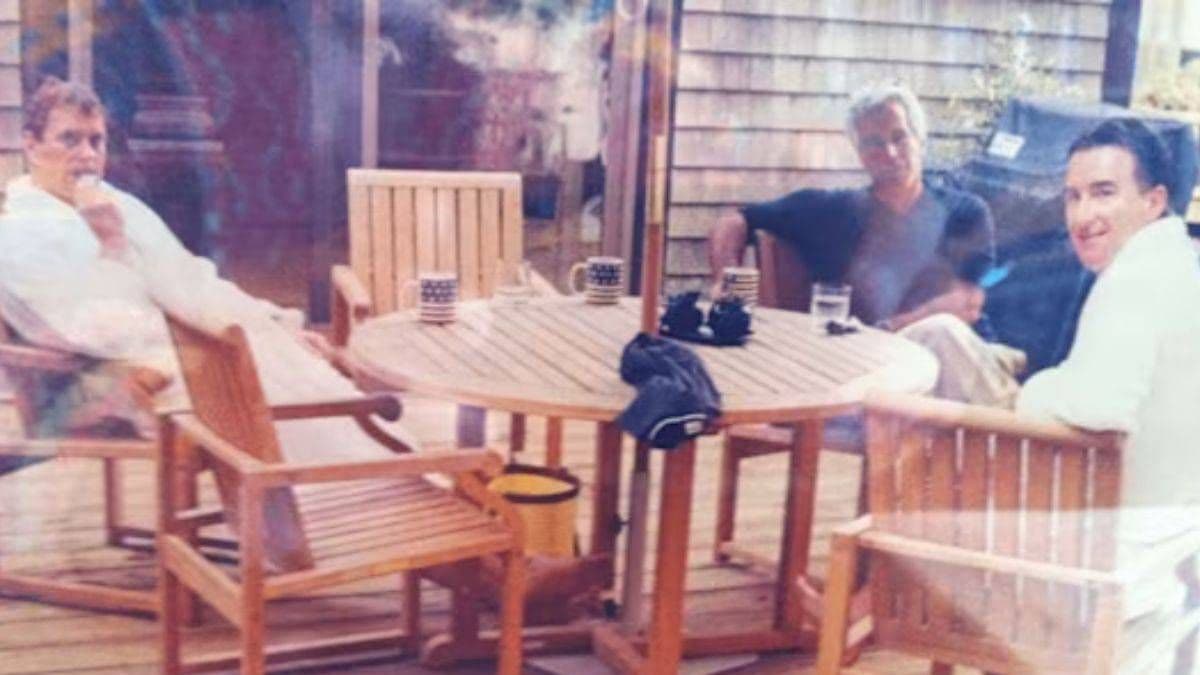
DOJ Releases First Known Photo Showing Andrew Mountbatten-Windsor and Peter Mandelson With Jeffrey Epstein
17 sources compared

Jonathan Powell Warned Prime Minister Keir Starmer About Mandelson’s Ties To Jeffrey Epstein, Documents Show
16 sources compared

Prime Minister Keir Starmer Ignored Warnings and Appointed Epstein Pal Peter Mandelson as U.S. Ambassador
50 sources compared