Justin Sun Sues Trump Family’s World Liberty Financial Over Alleged Extortion
Key Takeaways
- Sun sues WLFI in San Francisco federal court over extortion and token seizure.
- He alleges WLFI froze his tokens, blocked cashing out, and threatened actions affecting his investment.
- He questions whether WLFI has enough reserves to back its USD1 stablecoin.
Sun sues World Liberty
Billionaire crypto backer Justin Sun has sued the Trump family’s World Liberty Financial, accusing the project of “illegal scheme” conduct aimed at seizing and controlling his WLFI tokens.
“- Published The Trump family's World Liberty Financial crypto venture is being sued by one of its billionaire backers over allegations of extortion”
In a complaint filed in a San Francisco federal court, Sun says World Liberty “frozen” all of his tokens and stripped him of his right to vote on governance issues, while also threatening to permanently destroy his tokens by “burning” them.
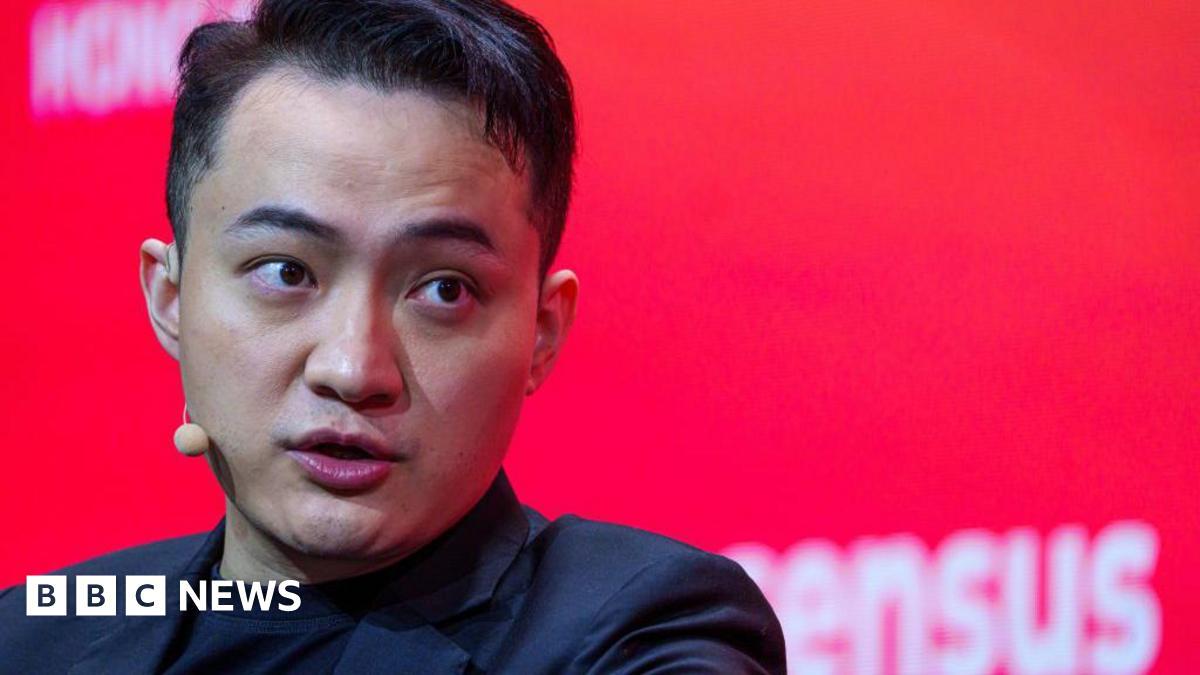
Sun’s allegations are framed as extortion and coercion, with multiple outlets quoting his claim that “They wrongfully froze all of my tokens, stripped me of my right to vote on governance proposals, and have threatened to permanently destroy my tokens by 'burning' them - all without any proper justification.”
The dispute centers on WLFI, described in the reporting as the cryptocurrency issued by World Liberty Financial and as a governance token that allows holders to vote on aspects of the platform.
Sun is also portrayed as a major early participant: the BBC reports he initially invested $45m (£33m) in World Liberty, while other coverage says he invested $45 million to buy three billion WLFI tokens in 2024 and 2025 and was awarded another billion WLFI tokens for advising the project.
The lawsuit asks the court to unfreeze Sun’s tokens, award unspecified monetary damages, and prevent World Liberty from burning or encumbering his tokens, according to Bloomberg Law News.
World Liberty has denied wrongdoing, with the BBC reporting the firm accused Sun of “playing the victim while making baseless allegations to cover up his own misconduct,” and with the Daily Beast quoting World Liberty’s social media response: “Justin’s favorite move is playing the victim while making baseless allegations to cover up his own misconduct. See you in court pal.”
Freezes, votes, and “burning”
Sun’s core complaint, as described across outlets, is that World Liberty used powers embedded in the project to freeze his WLFI tokens, block his ability to sell, and strip him of governance voting rights.
The BBC reports that Sun alleges the firm has “frozen” all of his tokens and stripped him of his right to vote on governance issues, while also threatening to permanently destroy his tokens by “burning” them.

Bloomberg Law News adds that Sun alleged World Liberty “secretly installed powers” that enabled the company to freeze Sun’s tokens and prevented him from selling any, and that the company “also seized the power to burn Sun’s tokens, even though they are located in his own digital wallet.”
The reporting from SMH.au and UPI describes additional mechanics and escalation, including claims that World Liberty acquired “blacklisting powers” to restrict the transfer of users’ tokens and that in November it implemented a change allowing it to reallocate WLFI tokens from any user to another.
The Daily Beast further describes the governance structure, saying WLFI is a governance token allowing holders to vote on aspects of the platform and that early investors were initially barred from selling, with Sun alleging his tokens were excluded from trading limits.
In the Whistler Newspaper’s account, Sun alleges the falling out escalated in April after World Liberty published a governance proposal on April 15, with tokens subject to a two year lock followed by a three year vesting schedule and a mandatory 10 percent burn on opt in.
Across these accounts, World Liberty’s position is that it denies wrongdoing and disputes Sun’s characterization, with the BBC quoting the firm’s denial that Sun is “playing the victim while making baseless allegations to cover up his own misconduct.”
Timeline and token value
The dispute is set against a shifting timeline of investments, trading access, and token valuation declines that multiple outlets tie to Sun’s break with World Liberty.
“Accessibility helpSkip to navigationSkip to main contentSkip to footer > Crypto billionaire Justin Sun sues Trump family’s World Liberty Financial Subscribe to unlock this article Try unlimited access Only £1 for 4 weeks Then £59 per month”
The BBC says Sun initially invested $45m (£33m) in World Liberty and that “at times, his WLFI tokens have been valued at more than $1bn,” while also reporting that “Since September, the price of a single WLFI token has plunged from 31 cents to just under 8 cents.”
SMH.au similarly says Sun invested a total of $US45 million ($62.9 million) to buy three billion WLFI tokens in 2024 and 2025 and was awarded another billion WLFI tokens for advising, and it describes a mid-last year souring after Sun declined to provide more investment and support.
The Whistler Newspaper adds that Sun invested 45 million dollars in WLFI tokens between November 2024 and January 2025 and received an additional one billion tokens in an advisory capacity, and it states that at their peak his combined holdings were valued at over 1 billion dollars.
It also says the goodwill collapsed in September 2025 when World Liberty froze Sun’s wallet, locking roughly 107 million dollars worth of governance tokens after he attempted to move them.
Bloomberg Law News reports that early investors are still unable to trade 80% of their tokens and that a proposal being considered would delay access to trading the tokens for at least two years, with insiders facing even longer lockups under the proposal.
The Daily Beast adds that in September World Liberty said it would permit trading of up to 20 percent of holdings, but Sun alleges his tokens were excluded, and it describes a separate stablecoin revenue model with “roughly $160 million in annual revenue projected from those reserves.”
Responses from co-founders
World Liberty’s leadership and co-founders have responded sharply to Sun’s lawsuit, portraying it as a bid to deflect attention from Sun’s own conduct.
The BBC reports that Zach Witkoff, another co-founder of World Liberty and the son of President Trump's Middle East envoy Steve Witkoff, said Sun's lawsuit is a “desperate attempt to deflect attention from Sun's own misconduct,” adding that “His claims are entirely meritless, and World Liberty looks forward to getting the case thrown out promptly.”
The BBC also quotes Witkoff’s claim that Sun has engaged in “misconduct that required World Liberty to take action to protect itself and its users,” while Eric Trump responded with a jab quoted by the BBC: “The only thing more ridiculous than this lawsuit is spending $6m on a banana duct-taped to a wall.”
The UPI and News International accounts repeat Sun’s post on X accusing “certain individuals” of acting against President Trump’s values, including the quote “Unfortunately, certain individuals on the World Liberty project team have been operating the project in a manner that goes against President Trump's values.”
The Daily Beast adds that World Liberty published a rebuttal on social media earlier this month, writing “Justin’s favorite move is playing the victim while making baseless allegations to cover up his own misconduct. See you in court pal.”
In SMH.au’s account, World Liberty declined to comment, while Eric Trump took to X to respond by poking fun at Sun’s banana artwork purchase and eat, and it quotes Sun’s own X post: “Unfortunately, certain individuals on the World Liberty project team have been operating the project in a manner that goes against President Trump’s values.”
The Whistler Newspaper describes Sun as careful to distance the dispute from the president himself, stressing that he remains a supporter of Trump and the administration’s crypto agenda, while still alleging that individuals including co founder Chase Herro were exploiting the Trump brand “to profit through fraud.”
Regulatory backdrop and stakes
The lawsuit also lands amid broader regulatory and market concerns described in the reporting, including questions about reserves behind World Liberty’s USD1 stablecoin and the project’s financial health.
“Token Wars: Why Crypto Billionaire Justin Sun Is Suing Trump’s World Liberty Financial For 'Criminal Extortion' The core of the dispute centres on an alleged attempt by World Liberty Financial to claw back or freeze tokens previously allocated to Sun The Trump family’s high-profile foray into the digital asset space has hit a major legal roadblock as billionaire crypto mogul Justin Sun filed a lawsuit against World Liberty Financial (WLF)”
SMH.au says Sun claimed World Liberty is “on the verge of collapse” and questioned whether it holds enough reserves to back its USD1 stablecoin, while Bloomberg Law News reports Sun similarly claimed in the complaint that “World Liberty is on the verge of collapse” and questioned whether it holds enough reserves to back its USD1 stablecoin.

The Whistler Newspaper adds that investors have raised concerns about World Liberty borrowing against its token holdings and about whether it holds sufficient reserves to back its USD1 stablecoin.
The BBC reports that the Securities and Exchange Commission has dropped its investigation into Sun, while Senator Elizabeth Warren questioned if it was tied to his investments in Trump’s crypto ventures, and it also notes that external Sun had been accused of paying high-profile influencers to promote his companies on social media without disclosing the payments.
The Daily Beast adds that at the time of his WLFI investment, Sun was facing fraud charges from the Securities and Exchange Commission, and it says that case was later settled without an admission of wrongdoing, while also quoting the White House statement that neither the president nor his family “have ever engaged, or will ever engage, in conflicts of interest.”
Beyond regulators, the reporting also ties the dispute to market access and liquidity constraints, with Bloomberg Law News saying early investors are still unable to trade 80% of their tokens and that a proposal would delay access to trading for at least two years.
The immediate stakes in the litigation are spelled out by Sun’s requested relief—unfreezing tokens, damages, and preventing burning or encumbering—while the broader stakes include how the case could shape confidence in a Trump-linked crypto venture and its governance token mechanics.
More on Crypto
Lazarus Linked to Kelp DAO LayerZero Bridge Exploit Draining $292 Million in rsETH
12 sources compared
Scammers Impersonate Iranian Authorities, Demand Bitcoin and Tether for Strait of Hormuz Transit
18 sources compared
FCA Raids Eight London Locations Over Illegal Unregistered P2P Crypto Trading
13 sources compared

Trump Extends Iran Ceasefire, Driving Bitcoin Past $78,000
15 sources compared