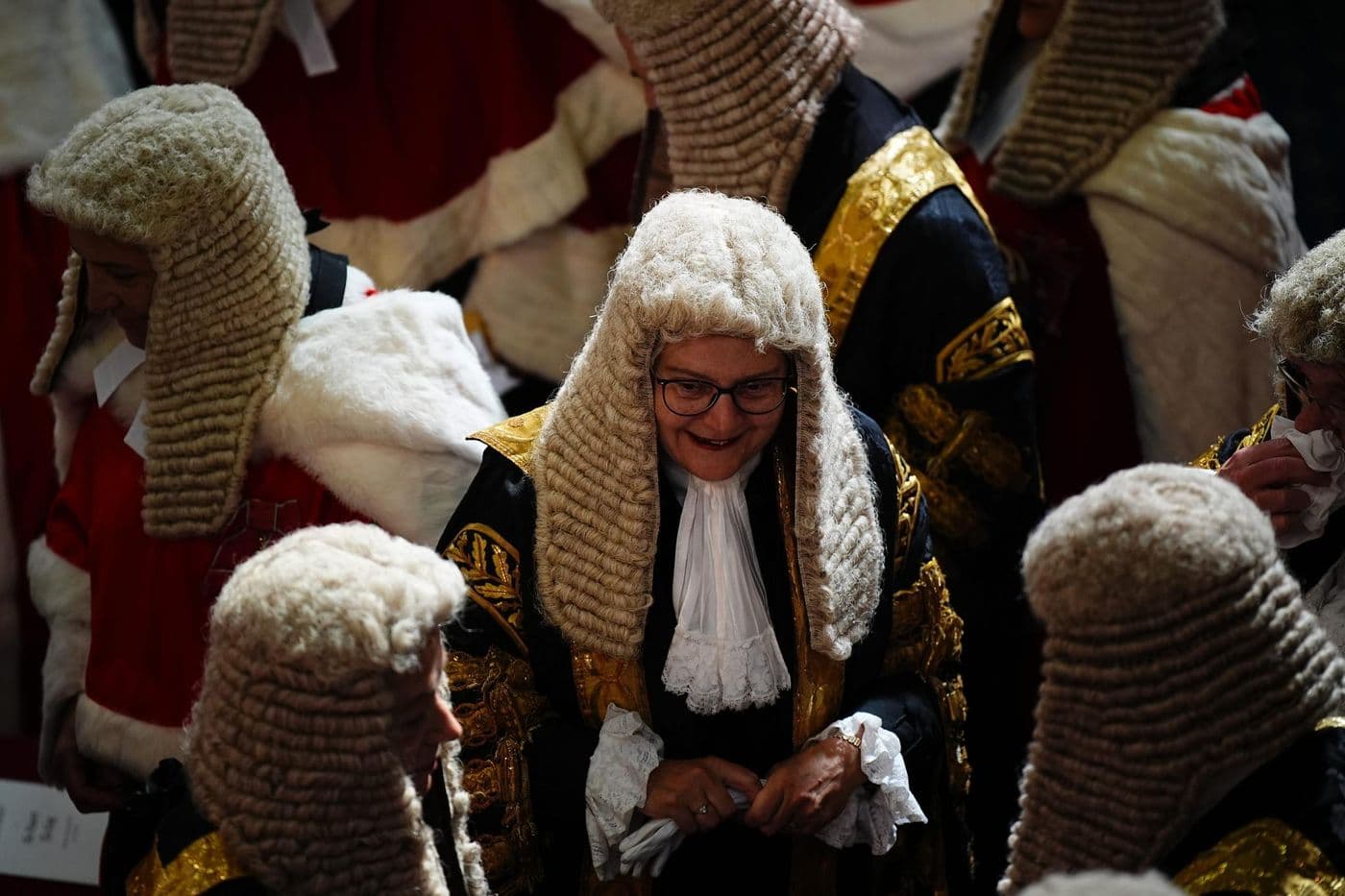
Keir Starmer's Government Passes Bill to Strip Hereditary Peers of House of Lords Seats
Key Takeaways
- Hereditary peers will lose their automatic seats in the House of Lords
- Keir Starmer is leading legislation to end hereditary parliamentary seats
- The change ends a parliamentary tradition dating back hundreds of years
Bill passed; 92 to leave
Keir Starmer's government has passed the House of Lords (Hereditary Peers) Bill, legislation designed to remove the remaining hereditary peers who sit in the upper chamber.
“- Published Dozens of hereditary peers are set to lose their seats in the House of Lords, after the passage of a bill that will end a parliamentary role dating back hundreds of years”
The bill will abolish the parliamentary role that has been inherited through families for centuries, with up to 92 hereditary peers set to leave the Lords when the current session ends; ministers expect that to be in May.
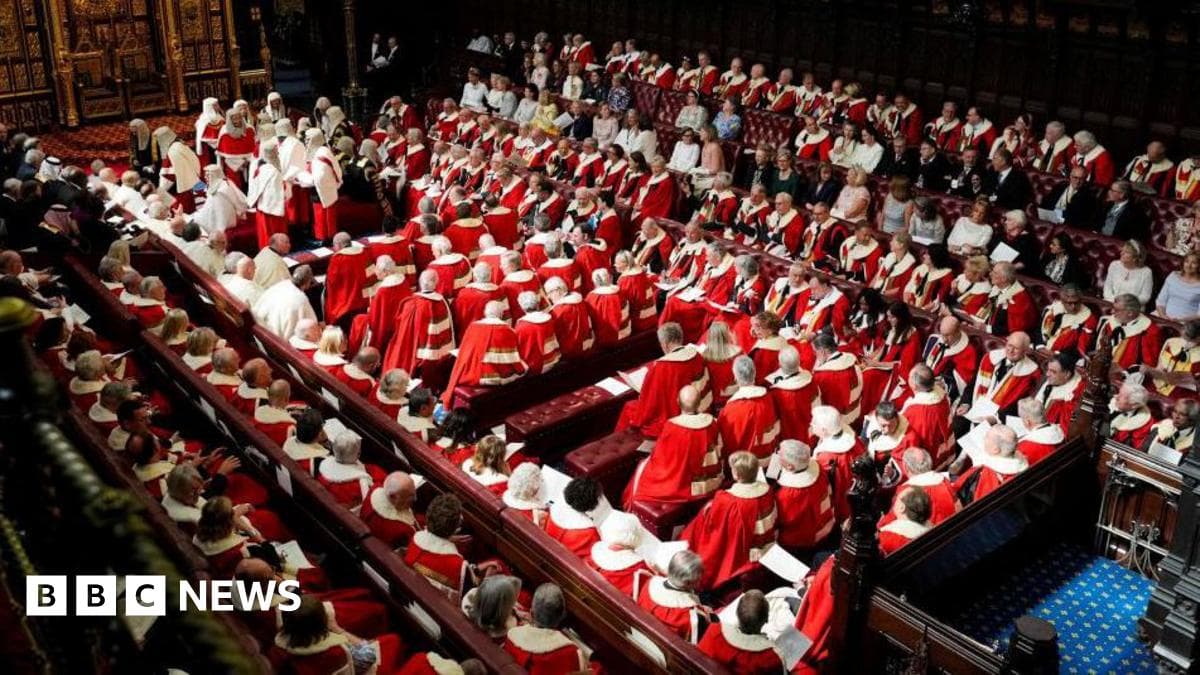
Lords Leader Baroness Smith framed the measure as fulfilling Labour's manifesto pledge and as correcting anachronistic privilege: "This has never been about the contribution of individuals but the underlying principle that was agreed by Parliament over 25 years ago that no-one should sit in our Parliament by way of an inherited title," she said.
La Croix described the right to sit in the Lords as "a tradition tinged with anachronism" and noted the government's intention to "abolish this system of inheritance and remove the 92 remaining hereditary lords who sit in Parliament."
Compromise and concessions
The government secured cross-party movement through a package of compromises: ministers will offer life peerages to some departing hereditary peers and have proposed giving the Conservatives the chance to retain up to 15 hereditary members as life peers, an offer that led the Conservatives to withdraw formal opposition to the bill.
The BBC reported that ministers "have offered the Conservatives the chance to retain 15 hereditary members of the House of Lords as life peers," while a Lords source said the agreement involves Conservatives delivering a number of retirements from among their life peers.
La Croix situates this move in the Labour government’s push to complete reforms begun under Tony Blair, describing the current proposal as following "in the footsteps of Tony Blair, who launched a major reform of the House of Lords in 1999."
Historical context
The move completes a process begun in 1999: Tony Blair's House of Lords Act removed more than 600 hereditary peers but preserved 92 on what was intended as a temporary basis.
“- Published Dozens of hereditary peers are set to lose their seats in the House of Lords, after the passage of a bill that will end a parliamentary role dating back hundreds of years”
BBC coverage recalls that Blair described hereditary peers as an "anachronism" at the time, and notes that interim measures have been in place for 25 years; La Croix likewise frames the current bill as building on Blair-era reform and as an attempt to finish what previous legislation left incomplete.
Both outlets emphasise that the 1999 changes were meant to be an initial step rather than a final settlement of Lords reform.
Demographics and monarchy ties
Critics and commentators have highlighted the stark demographics and symbolic oddities of the remaining hereditary seats.
La Croix points out that "all 92 of these seats... are occupied by white men, the vast majority from the British nobility," and calls the system a "global exception," noting that only Lesotho has a similar hereditary parliamentary seat.
The bill would also remove two hereditary offices long tied to ceremonial roles near the Crown: La Croix notes the Duke of Norfolk serves as Earl Marshal and the Lord Great Chamberlain is a senior officer in charge of Westminster, both of whom "will also be excluded from Parliament" if the reform goes ahead; the BBC coverage underscores the broader principle-based rationale behind their removal.
Next steps and reforms
Practical next steps and potential further reform were signalled alongside the passage of the bill.
“- Published Dozens of hereditary peers are set to lose their seats in the House of Lords, after the passage of a bill that will end a parliamentary role dating back hundreds of years”
The BBC reports ministers also plan to increase the number of paid ministers in the Lords because some have worked without a salary due to restrictions in current law, and that ministers are looking at further reforms such as a possible retirement age and minimum participation rates.
The final allocation of life peerages to Conservatives or other parties "will be decided and announced by the prime minister," the BBC said, leaving some details for future ministerial decisions even as the bill advances to end hereditary membership.
More on Britain

DoJ Releases Photos of Former Prince Andrew, Peter Mandelson in Bathrobes With Jeffrey Epstein
13 sources compared
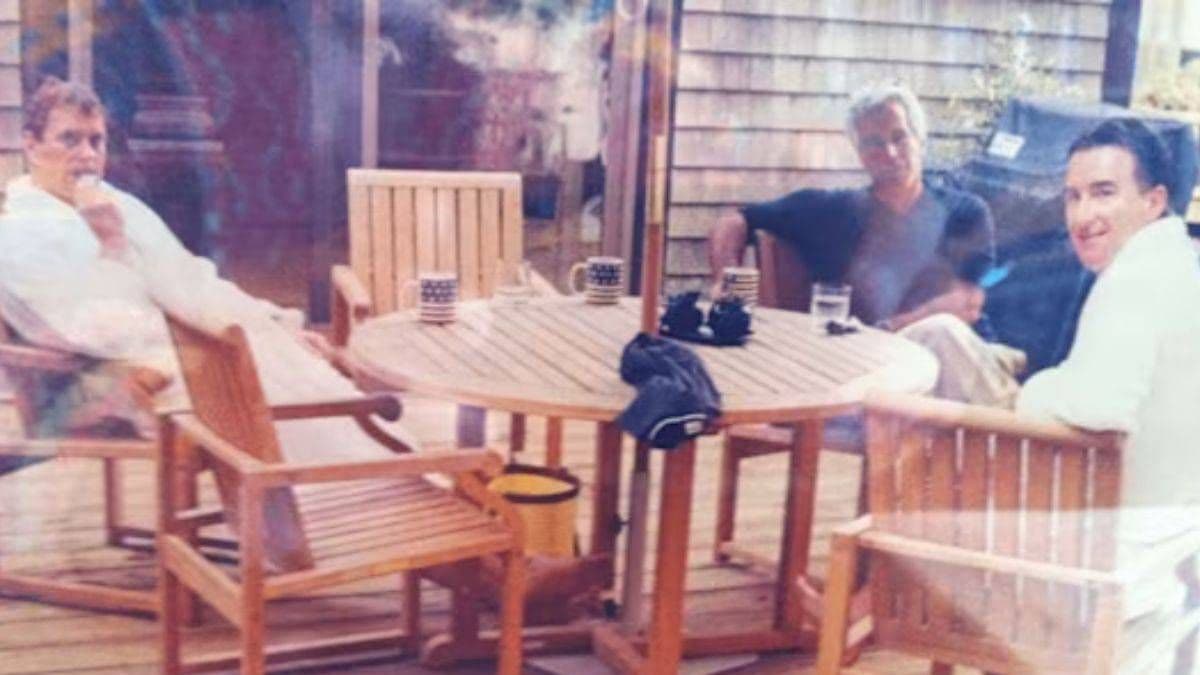
DOJ Releases First Known Photo Showing Andrew Mountbatten-Windsor and Peter Mandelson With Jeffrey Epstein
17 sources compared

Jonathan Powell Warned Prime Minister Keir Starmer About Mandelson’s Ties To Jeffrey Epstein, Documents Show
16 sources compared

Prime Minister Keir Starmer Ignored Warnings and Appointed Epstein Pal Peter Mandelson as U.S. Ambassador
50 sources compared