Kidnapping of foreigners soars in Africa's lawless Sahel region
Kidnapping and release account
Marin Petrović, a Bosnian national, arrived in Bamako in early September 2025.
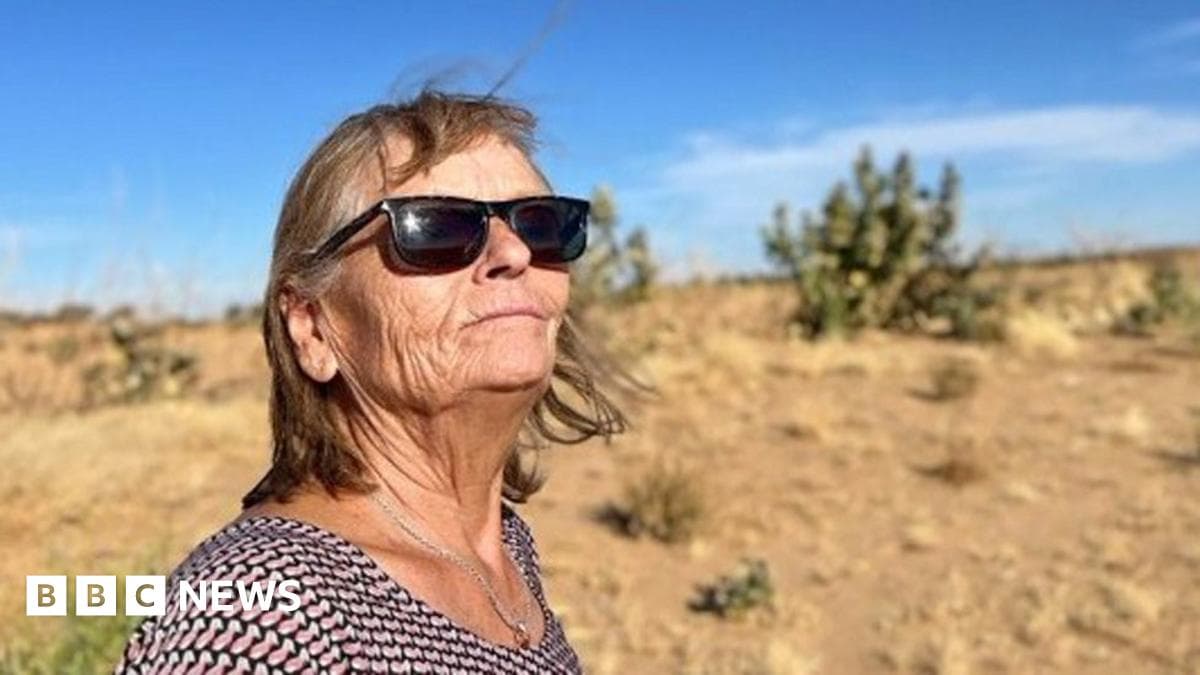
“- Published When Marin Petrović arrived in Bamako in early September last year, he was elated”
He posted about his trip on Instagram on 15 November 2025.
He said he left for Mopti and was ambushed on the road between Bla and San by "six motorbikes with two long-bearded terrorists, each armed with Kalashnikovs," who dragged him into the bush.
He says he was kidnapped "by al-Qaeda jihadists."
Petrović described harsh conditions in captivity, saying he slept on the hard ground and survived on boiled pond water and dry rice.
He declined to speak to the BBC about his ordeal.
The article states he was released in late October after 50 days in captivity, while Petrović's Instagram post says he slept for 55 nights and 55 days, a discrepancy the article presents without resolution.
Sahel abduction spike
The article places Petrović’s case in a wider 2025 spike in high-profile abductions of foreigners across the Sahel.
Acled data show a considerable increase in the kidnapping of foreigners in Mali and Niger in 2025, with 30 separate kidnapping events affecting foreigners by the end of November and the year total likely higher.
Two citizens of the United Arab Emirates were kidnapped in Mali in late September and were released just over a month later in exchange for what Reuters reported as $50m (£37m).
Other high-profile cases in Niger included a 73-year-old Austrian national, named in one part of the article as Eva Gretzmacher, and US civilian pilot Kevin Rideout, both described as working in humanitarian roles and taken from their homes.
The article later refers to the Austrian as now 74 years old and still in captivity, which contradicts the earlier reference to her as 73 and indicates an inconsistency in the reporting.
Sahel kidnappings and funding
Analysis by BBC Monitoring found that of 89 foreigners kidnapped across Africa, 38 held Chinese passports and 14 held Indian passports, and that roughly 70% of tracked cases occurred in the Sahel countries of Mali and Niger.
“- Published When Marin Petrović arrived in Bamako in early September last year, he was elated”
The article identifies Jama'at Nusrat al-Islam wal-Muslimin (JNIM), an al-Qaeda affiliate, as the overwhelming culprit behind the surge in 2025 attacks across Burkina Faso, Mali and Niger.
The Institute for Economics and Peace (IEP) is cited estimating that ransoms could represent as much as 40% of JNIM's yearly revenue.
Héni Nsaibia, Acled’s West Africa senior analyst, told the BBC that ransom provides an obvious incentive and that kidnapping fits into broader economic warfare intended to pressure the Malian economy and undermine the military government.
Nsaibia also noted JNIM attacks on fuel tankers to Bamako since September.
Mali kidnapping summary
The article reports that Petrović and one other Bosnian were released in late October without a ransom, according to Nsaibia.
Petrović credited his mountain rescue experience and 'playing the game' for his survival but has not publicly detailed his release.
It notes other victims remain captive, with the Austrian’s son, Christoph Gretzmacher, warning that desert temperatures of up to 50C (122F) pose life-threatening risks and saying he is pursuing media pressure carefully.
The article also says a reported 27 November incident in which six Chinese workers were said to be kidnapped was followed by a Chinese embassy statement warning against 'illegal' gold-mining and asking Chinese citizens to close operations and evacuate.
The Chinese embassy in Mali did not respond to the BBC’s request for comment.
The article contains some internal inconsistencies—most notably differing accounts of Petrović’s length of captivity (55 days per his post versus 50 days in the article) and two different spellings of the Austrian woman’s name (Gretzmacher and Greztmacher)—which the article itself presents without resolving.
Key Takeaways
- Kidnappings of foreigners in the Sahel have surged.
- Mali and the Sahel face civil war, foreign military interventions and Islamist insurgencies.
- Bosnian national Marin Petrović traveled to Bamako after repeated visa denials for security reasons.
More on Tourism

New York City Crews Clean Up Times Square After Chaotic New Year's Eve 2026 Celebration
11 sources compared

London Rings In 2026 With Controversial Ticketed River Thames Fireworks
46 sources compared

Family Wheels Dead 89-Year-Old British Woman Onto easyJet Flight
13 sources compared
Pope Leo XIV Flies to Lebanon to Bolster Long-Suffering Christian Community
106 sources compared