
Kimberlé Williams Crenshaw Traces Backtalker Path From Canton, Ohio to Legal Scholar
Key Takeaways
- Crenshaw coined intersectionality and is a leading law professor at UCLA and Columbia Law School.
- Growing up in Canton, Ohio, she studied at Cornell, Harvard Law, and Wisconsin.
- Her memoir chronicles her journey and defense of critical race theory.
Crenshaw’s memoir arrives
Kimberlé Williams Crenshaw’s new book, Backtalker: An American Memoir, traces her path from “Backtalker” to legal scholar, including her childhood in Canton, Ohio, and her route through Cornell, Harvard Law, and the University of Wisconsin.
“Guests Leading scholar in the field of critical race theory Kimberlé Crenshaw coined the term “intersectionality,” which she has described as a “lens through which you can see where power comes and collides, where it interlocks and intersects”
In 1988, as a graduate student, she sketched a diagram of an intersection to explain how race, class, and gender overlap, and she spoke with Tonya Mosley about those moments.
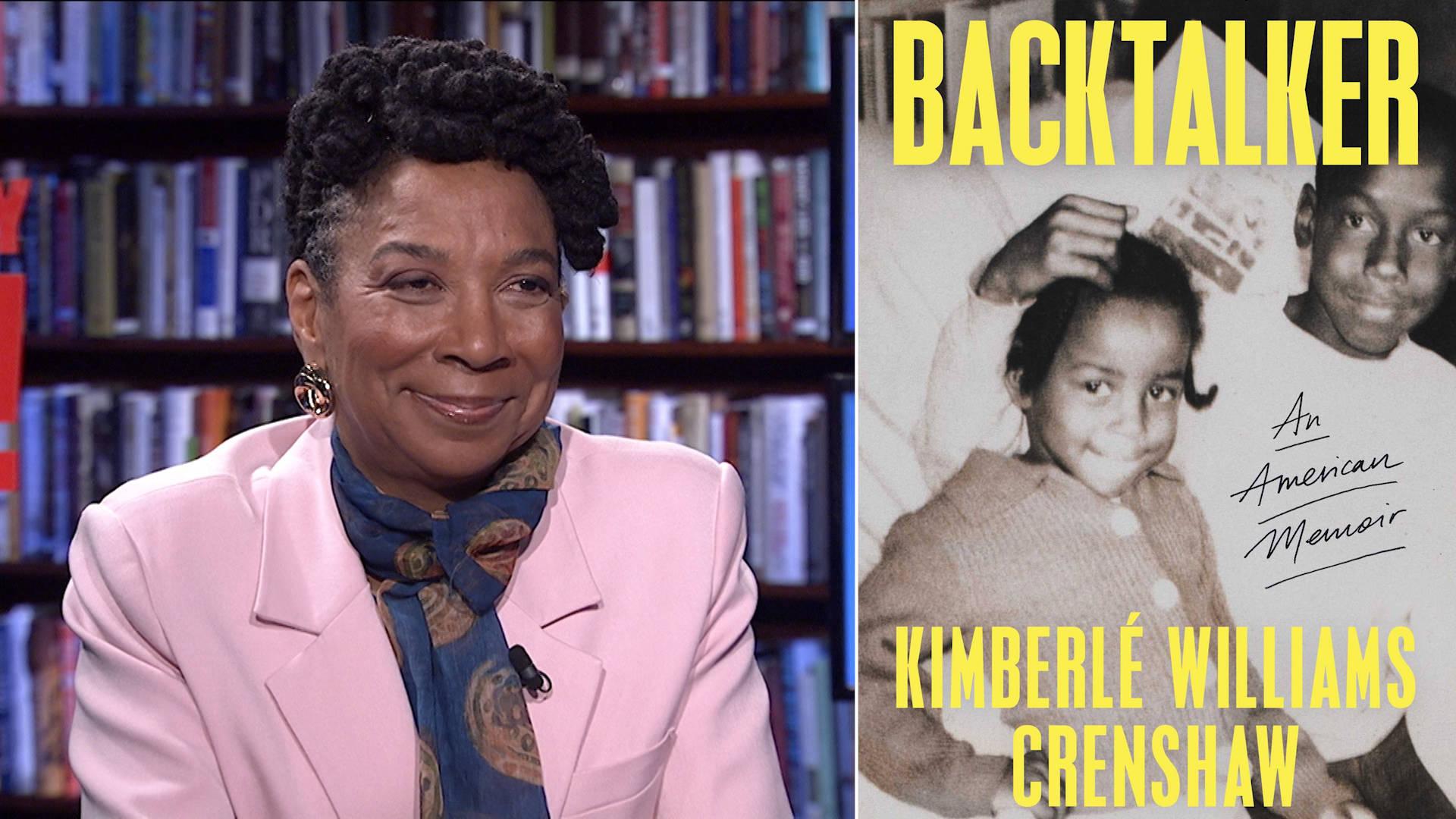
In her memoir, Crenshaw frames her life as a response to attacks on intersectionality and critical race theory, and she tells Forbes that “the attacks that I was most inspired by were the attacks that identified intersectionality as identity politics on steroids.”
NPR similarly describes her as “responsible for naming two of the most contested ideas in American politics: intersectionality and critical race theory.”
Defending critical race theory
NPR reports that Crenshaw’s idea of intersectionality came in the late 1980s while studying the 1976 Supreme Court case DeGraffenreid v.
General Motors, where a federal court told a Black woman she could sue either as a Black person or as a woman, but not both at once.

She explains the concept through overlapping traffic directions, saying, “traffic going north and south sometimes overlaps with traffic going east to west.”
NPR also describes her account of critical race theory as built into American law, with Crenshaw saying, “If you are learning about the way that the Constitution embedded enslavement in it.”
In the same NPR piece, Crenshaw links her “talking back” to a broader need for courage, telling listeners, “We're not living in a world in which we are all standing on equal footing.”
Backtalker in the cultural debate
The debate around Crenshaw’s terms is also reflected in how her memoir is positioned amid renewed backlash, with Forbes describing “rollbacks to DEI initiatives” and “attacks on the rights of marginalized communities.”
“A legal scholar and 'Backtalker' defends critical race theory — a term she helped coin Growing up in Canton, Ohio, legal scholar Kimberlé Williams Crenshaw was encouraged to call out conditions that were unfair or inexplicable”
In that interview, Crenshaw argues that the attacks she faced reframed intersectionality as something imported rather than grounded in lived experience, and she says, “Okay, I got your import.
This happened right here on this soil.”
The New Yorker adds a separate origin story for intersectionality, noting that “intersectionality” was born in 1989 in a law-review article titled “Demarginalizing the Intersection of Race and Sex: A Black Feminist Critique of Antidiscrimination Doctrine, Feminist Theory and Antiracist Politics.”
It also recounts how Crenshaw’s ideas became mainstream enough to be attacked on television, quoting her writing that “Fox TV jumped on the bandwagon, amplifying efforts by a few dedicated extremists to attack critical race theory.”
More on Entertainment

Jane Fonda Pays Tribute to Ex-Husband Ted Turner After CNN Founder Dies at 87
17 sources compared

CNN Honors Ted Turner’s Legacy After His Death At 87
61 sources compared
Emmanuel Macron Sings Charles Aznavour’s La Bohème at Yerevan State Dinner With Nikol Pashinyan
22 sources compared

Beyoncé, Rihanna, Madonna, Stevie Nicks and Cher Return to Met Gala 2026 in New York
22 sources compared