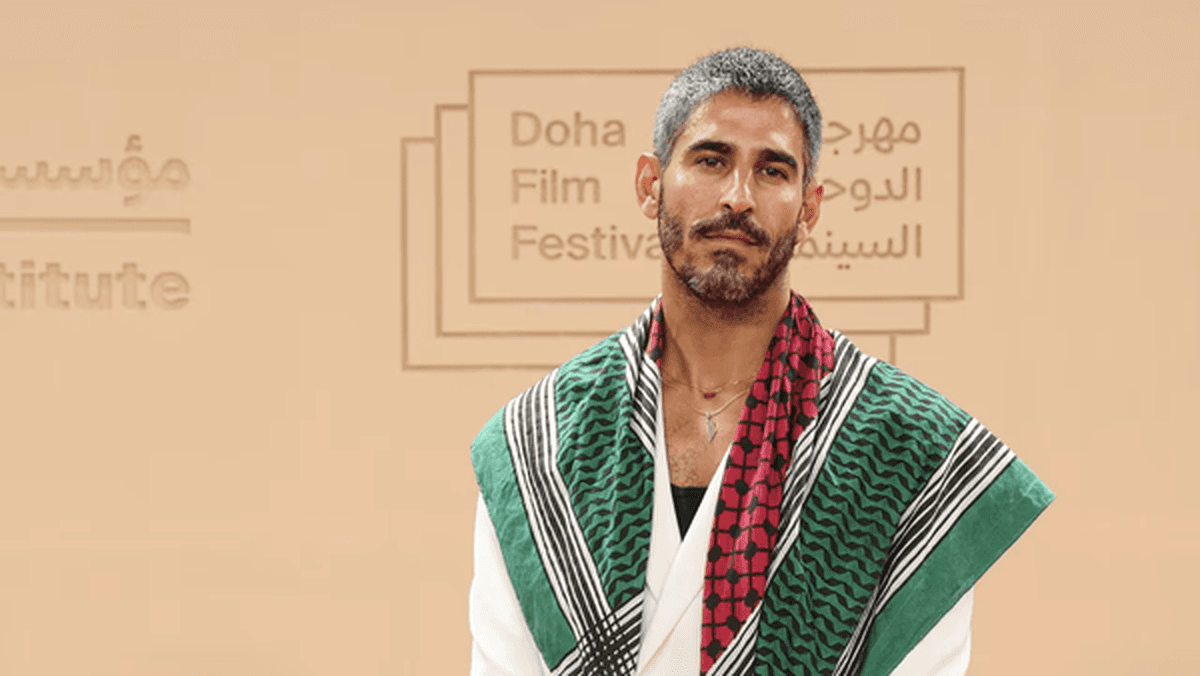
Kuwaiti Court Acquits US-Kuwaiti Journalist Ahmed Shihab-Eldin After 52 Days Detention
Key Takeaways
- Ahmed Shihab-Eldin was detained in Kuwait for 52 days over social media posts.
- He faced charges of spreading false information, harming national security, and misusing his mobile.
- A Kuwaiti court acquitted him of all charges, enabling imminent release.
Acquittal After 52 Days
A Kuwaiti court acquitted US-Kuwaiti journalist Ahmed Shihab-Eldin of all charges after nearly two months in detention, according to multiple reports.
The Committee to Protect Journalists said it was “relieved that Ahmed Shihab-Eldin has been found innocent after 52 days in detention,” and added, “Ahmed’s freedom and safety remain our topmost priority and we will continue to closely monitor his case.”

Lawyers for Shihab-Eldin’s sisters said in a statement that he was expected to be released “imminently,” and they said their “focus now is upon ensuring the liberty and safety of our client.”
CBC reported that Shihab-Eldin was arrested on March 3 while visiting family in Kuwait, and that he had not posted online since March 2.
The BBC reported that on Thursday, London-based barrister Caoilfhionn Gallagher KC said Shihab-Eldin had been found innocent of all charges and was expected to be released imminently, while noting that Kuwaiti authorities had not commented.
Sky News said he had been held in custody for more than 50 days after being accused by officials in Kuwait of spreading false information and harming national security, and it said a court dismissed the charges and released him.
In parallel, Zeteo described the acquittal as a “BREAKING” development and said the Kuwaiti-American journalist “is expected to be released imminently.”
Arrest, Charges, and Posts
Shihab-Eldin’s detention stemmed from Kuwait authorities’ accusations tied to social media posts and videos related to the US-Israeli war with Iran, according to the reporting.
CBC said he was “charged with spreading false information, harming national security and misusing his cellphone,” and it described his arrest as coming amid “a widening crackdown on press freedom and social media posts on military activity.”

The BBC similarly said he was understood to have been charged with “spreading false information, harming national security and misusing his mobile phone,” and it reported that he was last seen on 2 March while visiting family in Kuwait.
HuffPost reported that “None of his posts were photos or videos that he took himself,” and it said the CPJ had described his activity as re-sharing footage.
Zeteo said the accusations against him were never made public, but it said he was believed to have been charged with “spreading false information, harming national security, and misusing his mobile phone,” and it described his last post as being on March 2.
Multiple outlets tied the case to a geolocated video verified by CNN showing a US fighter jet crash near a US air base in Kuwait, and Zeteo added that the posts appeared to show a “friendly fire incident” in which Kuwaiti air defences shot down three US planes.
BBC reported that the video showed a US F-15 fighter jet falling from the sky and crashing near Kuwait City, and it said the jet was “one of three which were mistakenly shot down by Kuwaiti air defences.”
Sky News said the US Central Command confirmed Kuwaiti forces mistakenly shot down three US fighter jets and that all six crew members were “ejected safely.”
Press Freedom Crackdown
The acquittal was reported against a backdrop of Kuwait’s warnings and new legal measures aimed at restricting information about military activity during the Iran war.
CBC said that shortly after the war broke out, Kuwait’s Ministry of the Interior warned against filming or publishing videos or information related to Iranian attacks, and it reported that “several people were arrested for spreading false news.”
CBC also said that on March 15, Kuwait adopted a new law “aimed at 'securing and protecting the supreme interests of military authorities,'” and it described the law’s penalties as including “a minimum of three years in prison and a minimum fine of 5,000 dinars, or $22,000 Cdn.”
The CPJ described the charges against Shihab-Eldin as “vague and overly broad accusations that are routinely used to silence independent journalists,” and it said the IFJ called the newly adopted law a tool to “silence critical journalism, restrict the sharing of information in the public interest and enable censorship.”
The BBC reported that Kuwait’s emir issued a decree aimed at “securing and protecting the supreme interests of military entities,” and it said the CPJ reported prison sentences of up to 10 years for anyone who “disseminates news, publishes statements, or spreads false rumours related to military entities” with the intent of undermining confidence in them.
Zeteo added that Kuwait’s Ministry of Interior warned on March 2 against filming or publishing videos or information related to Iranian attacks, and it said that about two weeks later the country enacted a law against disseminating news, statements, or false rumors with intent to undermine confidence in the “military entities.”
In a separate statement, the National Press Club President Mark Schoeff Jr. said the acquittal came after detention “for the past seven weeks,” and he argued that “Laws that broadly criminalize the dissemination of information in the name of national security can have a chilling effect on journalists and the public's right to know.”
Reactions From Legal and Rights Groups
Reactions to the acquittal emphasized both relief at Shihab-Eldin’s innocence and continued concern about press freedom in Kuwait and across the Gulf.
CPJ CEO Jodie Ginsberg said, “We are relieved that Ahmed Shihab-Eldin has been found innocent after 52 days in detention,” and she added, “Ahmed’s freedom and safety remain our topmost priority and we will continue to closely monitor his case.”
Caoilfhionn Gallagher, a lawyer representing Shihab-Eldin’s sisters, told reporters that “We are relieved that, after 52 days in detention, Ahmed has been found innocent on all charges,” and she said, “Our focus now is upon ensuring the liberty and safety of our client, and we will provide more details once they can be confirmed.”
The BBC reported that Kuwait’s government had not commented, but it quoted Gallagher’s statement and also included Ginsberg’s remarks.
The National Press Club’s Mark Schoeff Jr. said, “We welcome the news that Ahmed Shihab-Eldin has been acquitted after being detained by Kuwaiti authorities for the past seven weeks,” and he argued that “Journalism is not a crime.”
Sky News reported that former Middle East peace envoy advisor Ashish Prashar said, “To hear Ahmed has been found innocent is a huge relief,” and he added, “I hope every journalist in danger gets the love, support and collective organising he received.”
HuffPost included Gallagher’s statement and also reported that the CPJ had said “Full details are still being ascertained but his international legal team confirms that he has been found innocent of the charges and he is expected to be released imminently.”
UPI said the National Press Club in Washington, D.C. welcomed the news, and it quoted the NPC statement that Shihab-Eldin’s acquittal was “a great relief for journalists everywhere,” while also saying his detention represented “a clear deterioration of press freedom and the freedom of expression in Kuwait and across the Gulf during the ongoing Iran war.”
What Comes Next, and Wider Cases
Even as Shihab-Eldin’s acquittal was welcomed, the reporting described a wider environment of detentions and legal outcomes tied to social media and national security during the Iran war.
CBC said it was “not clear which posts led to his detention,” but it reported that the CPJ said prior to his arrest Shihab-Eldin commented on publicly available videos and images related to the Iran war, including a geolocated video verified by CNN.
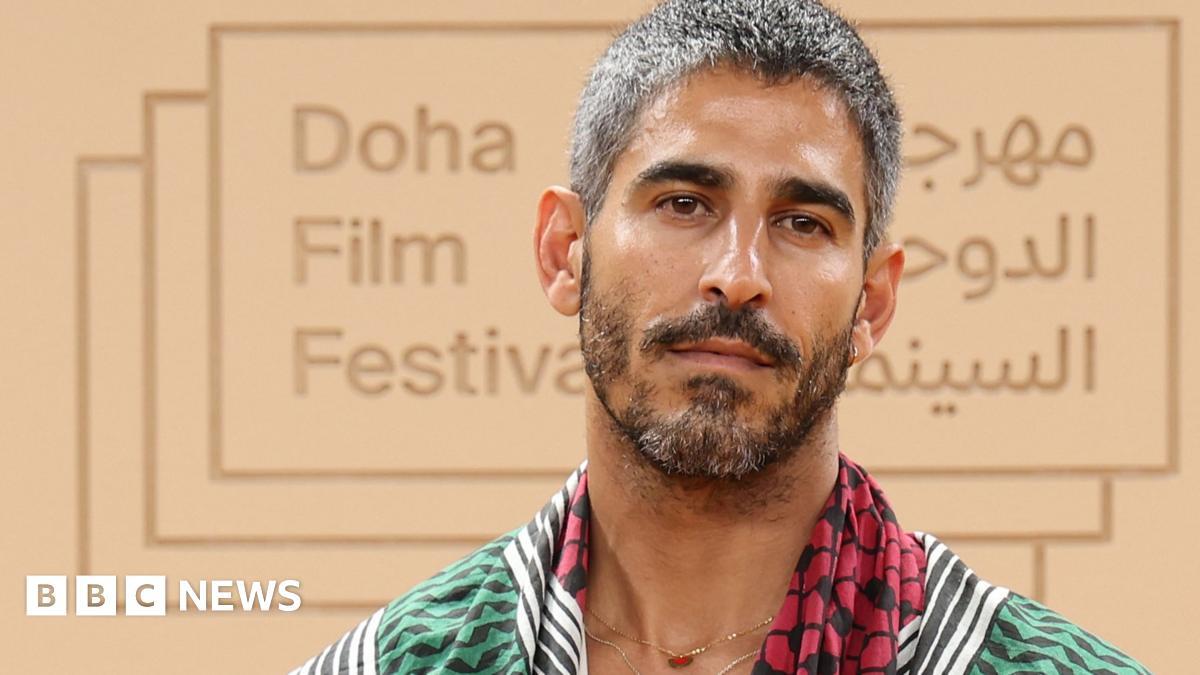
Zeteo said the accusations were never made public and that Drop Site, citing Al-Rai newspaper, reported that Thursday’s verdicts were the first rulings of a newly established court overseeing alleged state security and terrorism crimes, and it said of “the 137 verdicts handed down on Thursday” related to “inciting sectarian strife on social media platforms,” “18 included sentences of at least three years in prison.”
Common Dreams said the verdict was “just one of 137 handed down on Thursday by a new court meant to oversee crimes related to national security and terrorism,” and it added that Shihab-Eldin was “just one of nine defendants to be acquitted,” while “in 109 of the cases, no criminal punishment was handed down.”
It also said “Seventeen defendants received three years in prison, while another 10 received one year,” and it described the broader clampdown as part of “increasing restrictions on freedom of expression” in Gulf states.
The BBC reported that Kuwait and other Gulf Arab states have said they have detained hundreds of people for sharing footage documenting Iranian attacks on their territory during the war, and it said Kuwait’s interior ministry urged the public to “refrain from spreading rumours or sharing unverified videos and images.”
In the immediate aftermath, multiple outlets said Shihab-Eldin was expected to be released imminently, with Gallagher saying the legal team would provide more details once they could be confirmed.
The CPJ’s statement and the National Press Club’s remarks both framed the next steps as monitoring and ensuring safety, with Ginsberg saying CPJ would “continue to closely monitor his case” and Schoeff Jr. saying “These tactics must end, and journalists must be free to report facts without fear of harassment or imprisonment.”
More on Crime

FBI, House Oversight Committee Probe Deaths and Disappearances of U.S. Nuclear, Aerospace Scientists
13 sources compared

Two Groups Shoot At Mall of Louisiana Food Court in Baton Rouge, Killing 1
33 sources compared
D4vd Charged With Killing After Autopsy Finds Celeste Rivas Hernandez Died of Multiple Penetrating Injuries
11 sources compared

Charles Ford Arrested for Supplying Rifle Shamar Elkins Used to Kill Eight Children in Shreveport
13 sources compared