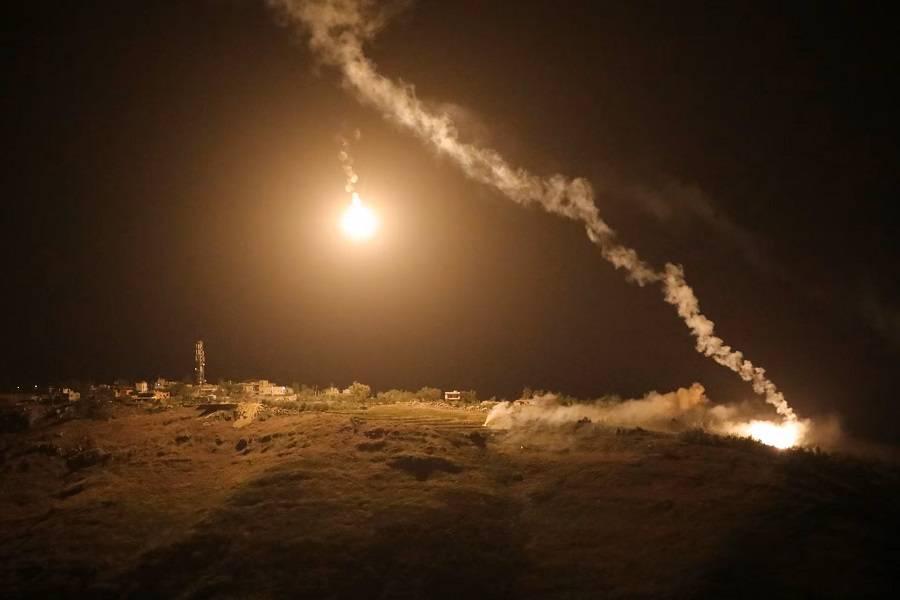
Lebanon-Israel Talks Resume in Washington as Israel and Hezbollah Continue Fighting
Key Takeaways
- Direct Lebanon-Israel talks resume in Washington.
- Ceasefire fragile, expiring soon as clashes with Hezbollah persist.
- Third round of direct talks kicks off in Washington.
Ceasefire talks in Washington
A third round of direct Lebanon-Israel talks began in Washington on Thursday as fighting continued between Israel and Hezbollah and as a truce was set to expire on Sunday if not extended.
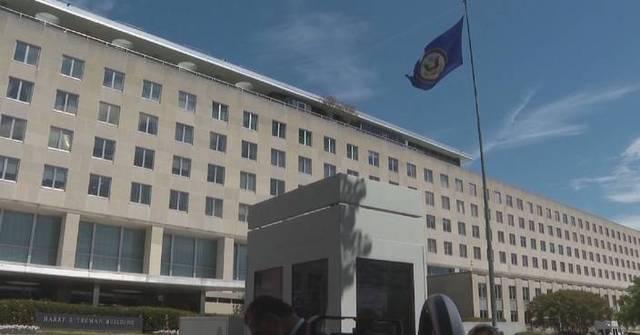
The South China Morning Post said the U.S. hailed “positive talks” on Thursday as Israeli and Lebanese ambassadors held the first of two days of talks at the U.S. State Department, with Israel bringing along military officers.

NBC News reported that the talks were scheduled for two days and that Lebanese officials were hoping they would yield a new ceasefire deal and pave the way for issues including the withdrawal of Israeli forces from southern Lebanon and the disarmament of Hezbollah.
NBC News also said Hezbollah is not part of those talks and has been vocally opposed to Lebanon engaging in direct negotiations with Israel, while Israel and Hezbollah continued trading near-constant fire across the border despite a U.S.-brokered ceasefire on April 17.
The South China Morning Post reported that the truce was considered to still be in place despite hundreds of deaths in Israeli strikes and that Israel had continued to launch air strikes it says are targeting Hezbollah.
Optimism vs pessimism
An American State Department official told Al Arabiya that the first day of Lebanon-Israel talks was “positive” and that discussions ran “from 9:00 AM to 5:00 PM (13:00-21:00 GMT).”
Al Arabiya also said the talks would proceed as planned into the second day, with a diplomat familiar with the talks saying the sides began discussions shortly after 9:00 AM local time at the U.S. State Department.

By contrast, Naharnet reported that a source told Al-Arabiya that “There are no indications of any serious breakthrough in the negotiations between Lebanon and Israel,” and that “Lebanon doesn't have much to offer regarding the security files raised in the negotiations.”
Naharnet added that Al-Jadeed television reported the U.S. State Dept. was speaking of an attempt to “prevent the collapse of the truce” rather than making comprehensive peace.
In the same tense atmosphere described by France 24, Hezbollah reiterated its rejection of the negotiations, with one of its deputies, Ali Ammar, denouncing a free concession to Israel.
What each side wants
NBC News said Israeli officials focused on disarming Hezbollah and described the negotiations as a precursor to a potential normalization of diplomatic relations, while Lebanese officials said they were seeking a security agreement or armistice that would stop short of normalization.
NBC News reported that Trump publicly called for a meeting between Lebanese President Joseph Aoun and Israeli Prime Minister Benjamin Netanyahu, while Aoun declined to meet or speak directly with Netanyahu at this stage.
France 24 said Washington says it defends Lebanon’s sovereignty over its entire territory and calls on authorities to disarm Hezbollah, and it described U.S. messaging that lasting peace depends on the total disarmament of Hezbollah.
France 24 also reported that Lebanon seeks a consolidation of the ceasefire and that the priority is to end the deaths and the destruction, while Hezbollah reiterated its rejection of these negotiations.
AP News reported that Hezbollah leader Naim Kassem urged Lebanon to withdraw from direct talks with Israel in Washington, calling them “concessions by Lebanese authorities” and urging indirect negotiations instead.
More on Lebanon
Lebanon Presses Israel for Ceasefire in Washington Talks as Israeli Strikes Continue
22 sources compared
Israeli Drone Strike Kills Two Lebanese Civil Defence Paramedics In Southern Lebanon
13 sources compared

Hezbollah Drones Wound 17 Israeli Soldiers in Southern Lebanon, Evacuated to Rambam Medical Center
21 sources compared

Islamic Resistance Targets Israeli Soldiers, Vehicles, Kiryat Shmona, Ras Al-Naqoura Radar With Drones
18 sources compared