
Louisiana Republicans Present Maps To Eliminate Majority-Black U.S. House Districts, Lawmakers Clash
Key Takeaways
- Louisiana Republicans presented maps to eliminate one or both majority-Black congressional districts.
- Public opposition and anger documented by multiple outlets.
- Controversy ties to broader minority voting-power debates and redistricting.
Maps, delays, and hearings
Tensions erupted Friday as Republican state lawmakers presented new election maps to eliminate one or both of Louisiana’s majority-Black congressional districts, with the Senate and Governmental Affairs Committee meeting at the State Capitol and lawmakers not planning to start voting on the maps until at least next week.
“Will African Americans lose their voting power at the next election”
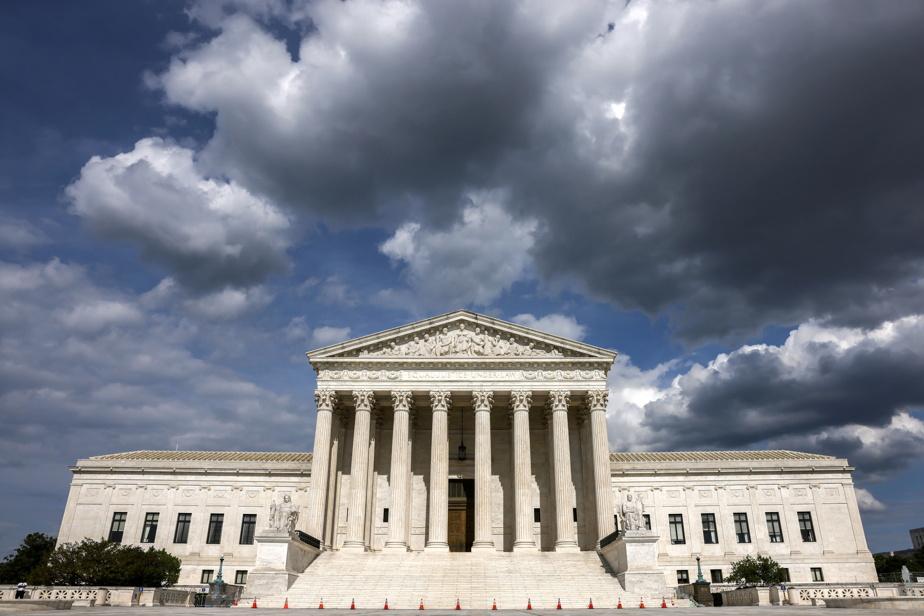
Committee chairman Sen. Caleb Kleinpeter, R-Port Allen, called the hearing after Gov. Jeff Landry declared a state of emergency and suspended Louisiana’s upcoming U.S. House primary elections April 30, a day after the U.S. Supreme Court ruled the state’s existing congressional map was an unconstitutional racial gerrymander against white voters.
During the hearing, Sen. Gary Carter Jr., D-New Orleans, questioned Kleinpeter about how many absentee ballots had already been cast in the May 16 U.S. House primaries and whether the votes would be counted, asking, “Can you give the public certainty that those ballots will not be discarded?”
Kleinpeter said Louisiana Secretary of State Nancy Landry, no relation to the governor, was the appropriate official to answer Carter’s question, but she was not in attendance, and Carter pressed further by asking, “Have you voted yet?”
The hearing’s momentum was repeatedly interrupted, with Kleinpeter calling for a recess after Carter’s rapid-fire questions and later cutting off microphones and the Capitol’s live video feed during a heated exchange with state Sen. Jay Morris, R-West Monroe.
Testimony and legal stakes
Leona Tate, one of the “New Orleans Four,” told Republican state lawmakers in Baton Rouge that their proposal to dismantle at least one majority-Black congressional district brought back harrowing memories, saying, “I need you to understand what it feels like to stand here, to have walked through that mob as a child.”
The Times of India described more than eight hours of testimony from Black members of Congress, pastors, activists and voters, with protesters outside the hearing room cheering and chanting “Let him speak!” after Caleb Kleinpeter cut the microphone of a Democratic colleague.
Stephen M. Griffin, professor of constitutional law at Tulane University in Louisiana, said the Supreme Court’s potential action could have “seismic” consequences, warning, “If the Supreme Court strikes down this section of the Voting Rights Act, the impacts will be seismic, the equivalent of an earthquake in political terms.”
Atiba Ellis, professor of law at Case Western Reserve University in Ohio, framed the dispute as centering on “the permissible use of racial considerations,” adding that “there are people who take the position that it is never permissible to take race into account.”
The La Presse report said the Supreme Court delayed its decision and scheduled further arguments for October 15, with the questions now focusing on the constitutionality of districts that are majority-minority.
Who could lose power
La Presse reported that Black people accounted for about a third of Louisiana’s population but were in the majority in only one of the six districts after the release of the 2020 national census, a practice federal judges said likely violated the Voting Rights Act by diluting their votes.
“Baton Rouge, Louisiana: As a child, Leona Tate was one of the "New Orleans Four," the first Black students to desegregate a public school in the deep South, enduring racial slurs and death threats as armed US Marshals escorted them to class”
The report said lawmakers redrew the map granting a majority in a second district, and voters who identified as “non-African Americans,” who had become a minority in this 6th district, sued Louisiana, with federal judges ruling that the racial issue had weighed too heavily in lawmakers’ decision.
It also said the Supreme Court’s decision could come before the midterm elections in November 2026, when all 435 districts in the country will vote for their representative in Congress, and that if Section 2 of the Voting Rights Act is found unconstitutional, states could redraw maps in time for the November 2026 election.
La Presse warned that Democrats could lose seats and that a substantial bloc of Black voters supporting the party could be affected, while also noting that the elected officials from Louisiana’s two Black-majority districts are Democrats.
In Louisiana’s current fight over district boundaries, the La Presse report added that “Whites, basically, will not vote for a Black candidate in the South,” and that the district serves not only to elect members of Congress but also for the state legislature, elected judges, and local officeholders.
More on USA

Donald Trump Rejects Iran’s Response to U.S. Proposal Delivered via Pakistani Mediators
33 sources compared

Chris Wright Says Trump Administration Is Open to Suspending Federal Gas Tax as Prices Hit $4.52
11 sources compared
Shamar Elkins Killed Seven Siblings and Cousin in Shreveport Mass Shooting, Funeral Honors Victims
12 sources compared

Explosion on Charter Boat Near Haulover Sandbar Sends 11 People to Miami Hospitals
19 sources compared